



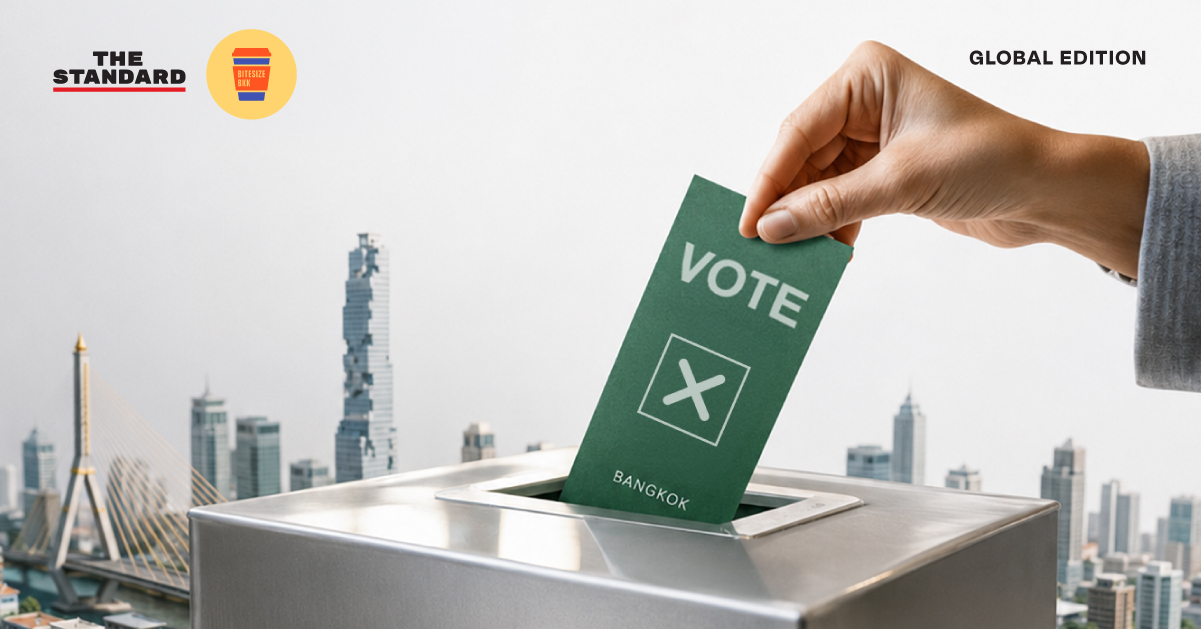
Bangkok is gearing up to elect the city’s next Governor. With the election looming on Sunday, 28th June, candidates are racing against external pressures and the capital’s own deeply rooted challenges to become the person in charge. Thailand held a nationwide election in February, but the upcoming one is equally significant, and the stakes are high as the city prepares to enter a new era.
Key point
Whilst the Bangkok Governor election may be a localized event, the capital houses 18 million residents, of whom 5.5 million are registered voters. The capital reflects how Thailand is represented and how it presents itself against a global backdrop. As the country continues to measure itself against fast-moving regional peers and a rapidly shifting world with increased competition, the speed at which Bangkok progresses and changes with the world around it is key in measuring the country’s ability to thrive on the world stage.
The consensus here is that the next Governor should shape Bangkok into a truly global city by 2030, but whether this is achievable within the country’s structural constraints remains to be seen.
Charting Chadchart’s Path
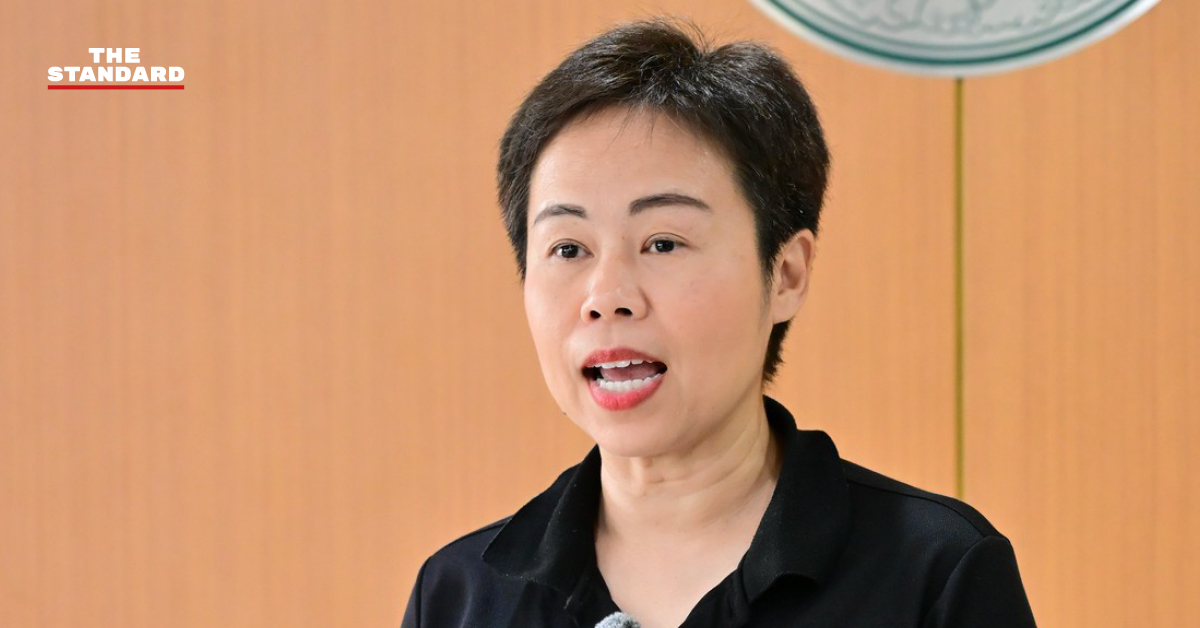
Former Governor and current independent frontrunner Chachart Sittipunt has dedicated a significant portion of his prior term to tackling “capillary policies” and leveraging the Traffy Fondue platform to record over 1.3 million public complaints on topics ranging from pavements to waste collection.
Under Chadchart’s directive, Bangkok began to see challenges chipped away at, from tackling flooding through science-led approaches to independently managing PM2.5.
Voter-friendly initiatives, such as championing a greener Bangkok and eliminating waste, also exist against the backdrop of structural limitations and the bureaucratic setup of the Bangkok Metropolitan Administration (BMA). It is also this very challenge that led to the epic saga of BMA’s 4 billion baht debt to BTS, an obligation inherited from previous administrations under a pre-signed operating contract extending through 2042.
What this issue highlights isn’t merely the billions of baht that could have been used to build hospitals, schools, or bus networks; it underscores Bangkok’s complex governance structure and how it places limitations on whoever is in charge.
A Role With Bureaucratic Constraints
The BMA Act of 1985 established the Governor as an elected executive with powers over matters such as transport, urban planning, and waste management. However, there are significant limitations, such as power-sharing. The BMA currently shares power with over 30 national agencies, meaning that the Governor can rarely sign an executive order. There are also the matters of fiscal dependency and legislative subordination.
Whilst any Governor can dream up a future-forward city, the real challenge is going beyond day-to-day management. Bangkok’s wide-ranging structural issues, from traffic congestion to overhead cables, are the product of the law’s limitations.
Meanwhile, as candidates focus on building the city of the future, it’s worth noting that the laws that govern it are over 40 years old. One of the biggest challenges is operating within the restrictions of the past.
Candidates United on Tackling Corruption
Often touted as a critical battleground for political parties, the Bangkok Governor election is a race of contradictions, as it doesn’t necessarily prioritize party over candidates. The capital holds symbolic and structural significance and can serve as a litmus test of what a population demands and seeks.
This year’s race features Chadchart against the Democrat Party’s Anucha Burapachaisri and the People’s Party’s Chaiwat Sathawornwichit. At a recent debate hosted by THE STANDARD, all three candidates laid out plans to tackle corruption and increase transparency across construction permits, procurement, and budgetary processes, a telling convergence, given that anti-corruption sentiment has long been among the most reliable drivers of Bangkok voter behavior. The national government also declared corruption a priority agenda item earlier this year, underscoring its structural drag on Thailand’s competitiveness.
Candidate debates for the Bangkok governor tend to revolve around the daily issues of city life, from drainage systems to footpath conditions and air quality. This year, the theme of eradicating corruption across the entire value chain reflects how it has become a priority on the agenda. Corruption and transparency are no longer confined to national politics but have embedded themselves in the day-to-day management of the city.
Paving Priorities: Bangkok in 2030
The stakes for a new and improved Bangkok have never been higher, particularly against the backdrop of Thailand’s renewed regional ambitions. In a race against itself to pursue meaningful reform and create new growth engines to fuel economic growth, Thailand is at a crossroads. The country has its sights set on becoming ASEAN’s hub for chip manufacturing, whilst also committing to reforming its energy landscape and tackling longstanding challenges such as household debt. Thailand’s GDP growth forecast for 2026 sits at just 1.6%, the lowest among major ASEAN economies.
The country’s ambitions and success will depend heavily on Bangkok functioning like a world-class city. Investors, businesses, and agencies look to the capital as an indicator, and as Thailand seeks to reposition itself as a digital hub and ASEAN economic anchor, pivoting away from low-cost manufacturing toward higher-value industries, the city will need to do more than just function well.
The governor elected on June 28th will be in office until 2030, the year that has emerged globally as a benchmark for urban reform, climate resilience, and economic repositioning. Ho Chi Minh unveiled its double-digit growth plan for 2030, aiming to join the ranks of Global Top 50 Smart Cities by integrating AI and a digital operating system to manage things from traffic to flood control. Meanwhile, Singapore revealed its Green Plan 2030, setting concrete sustainability targets and expanding urban greenery.
Bangkok has ambition. In this campaign, Chadchart is also pushing for the city to become a productive economic growth engine through key touchpoints such as improving mobility and expanding access to education through digital classrooms. The key is balancing future blueprints with tackling daily realities and navigating bureaucratic processes.
Looking to the Future
Thailand is at risk of being stranded between idealistic ambitions and the structural realities that make them difficult to execute. Bangkok sits at the heart of this, and the next four years are critical in determining whether the country will remain a competitive player on the regional scale. If 2030 is being used as a global benchmark for reform, then the incoming Governor will be tasked with a balancing act: delivering on daily fixes while simultaneously pushing for a city of the future.