

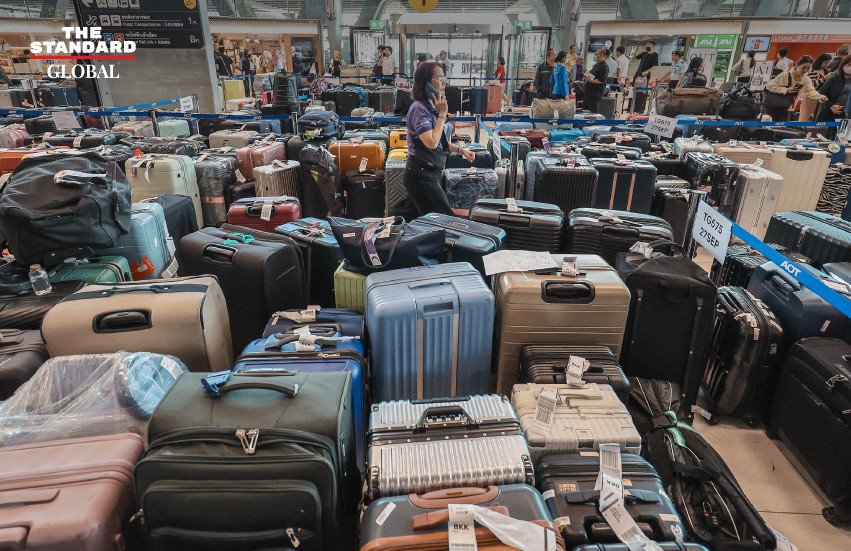
As Thai Airways searches for its next chief executive, the airline must also repair the damage from Bangkok’s worst flooding in more than a decade. A backlog of nearly 10,000 bags, hours-long delays, and flight cancellations caused chaos at Suvarnabhumi Airport and quickly turned an operational failure into a national PR crisis. The episode raised questions about the airline’s ground-handling operations and exposed deep-rooted challenges that any incoming chief executive will inherit.
The board suspended chief executive Chai Eamsiri, who led the airline’s turnaround, on October 2nd, pending an inquiry into the airline’s crisis response, and named board member Samrit Samniang as acting chief executive.
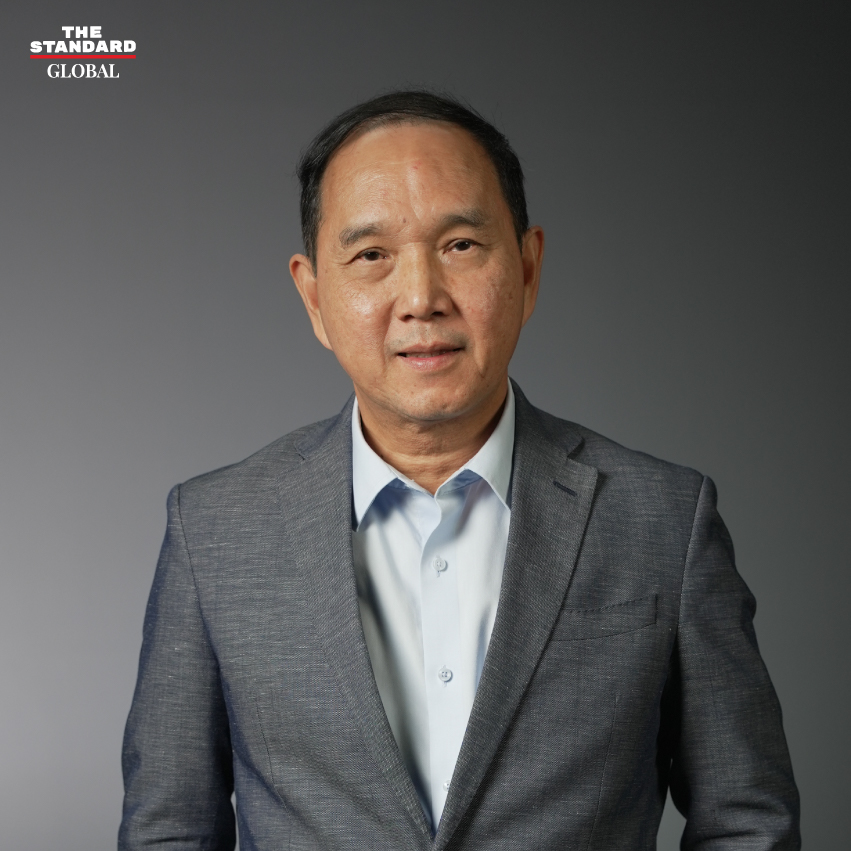
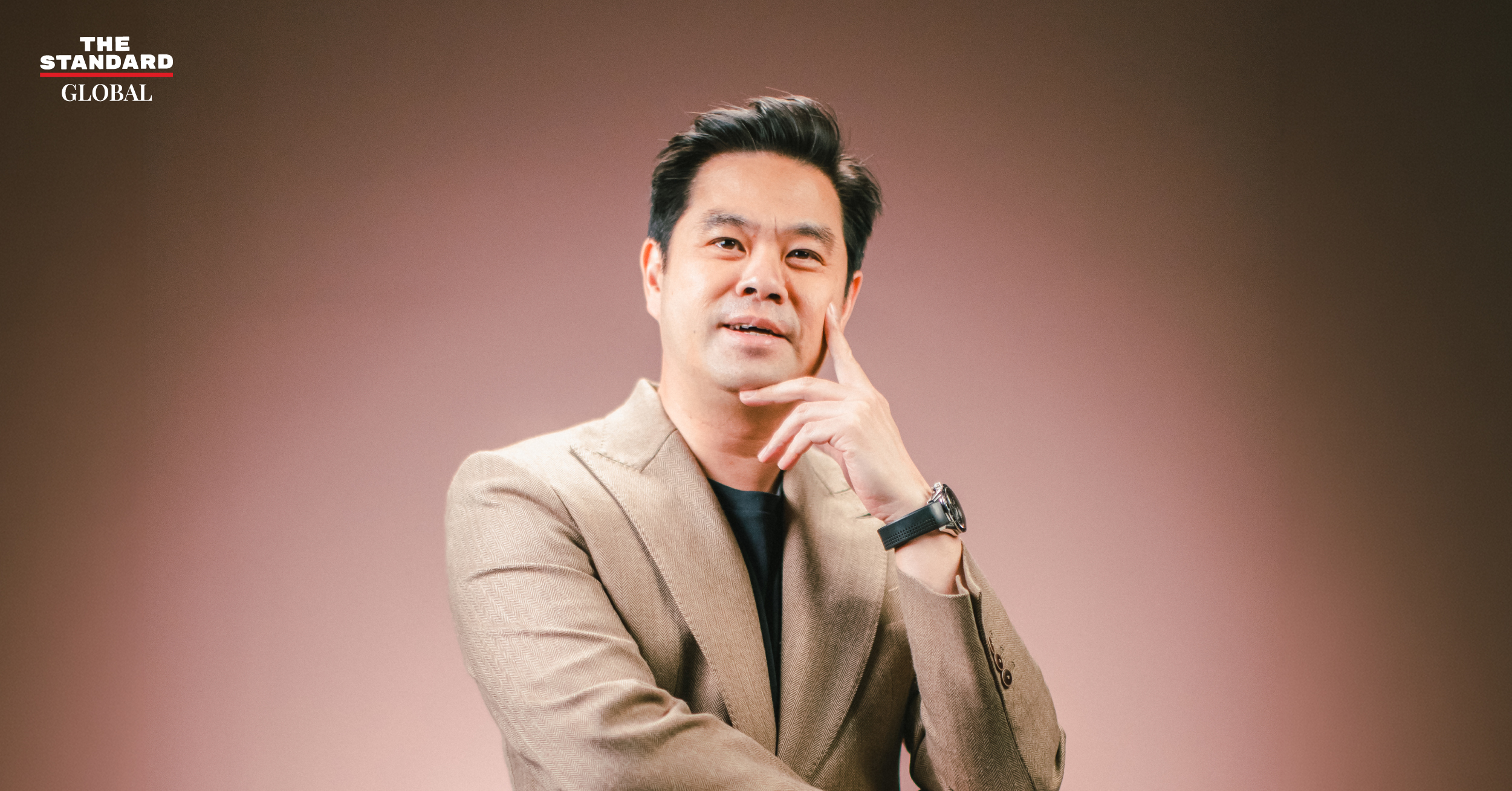
Chai Eamsiri
“The board probably took the view that the incident had already happened and the damage was done, both to the company’s reputation and to its operations with customers,” Chai told THE STANDARD WEALTH in an exclusive interview. “As the person directly responsible, I’d have to say the suspension was unfair. But as a board member, I’d have to say it was fair. It ensures transparency under good governance principles.”
The race to succeed Chai is now under closer scrutiny. Investors and analysts will watch whether the next chief executive can set a long-term strategy while answering to a board where the Finance Ministry, the airline’s largest shareholder with a 38.9 percent stake, still holds significant sway.
Restructuring the airline’s on-ground strategy to ensure operations can withstand crises will be key.
The floods, which kept Thai Airways’ baggage handlers and specialized ground staff from getting to work, exposed structural weaknesses in its ground operations, contracts and crisis planning. The problem goes beyond short-term crisis management and communication; attention will now turn to how the airline rebuilds confidence.
As Thailand enters its peak tourism season, THAI has a short window to rebuild confidence, with high fuel prices still weighing on its balance sheet.
The Turnaround Story
Chai, who served as THAI’s Chief Financial Officer (CFO) during its restructuring, became Chief Executive in 2023 and has led the airline toward financial recovery. Revenue in 2024 climbed 16.7% from the prior year to THB 188 billion, driven by a tourism rebound and a scaled-down fleet. The Bankruptcy Court ended the company’s rehabilitation process in 2025, and THAI was relisted on the Stock Exchange of Thailand (SET).
Revenue for 2025 totaled THB 190 billion, with net profit of THB 30.9 billion, driven by financial discipline and cost control.
The airline has been steadily expanding its fleet amid geopolitical challenges and energy volatility, aiming to grow from 80 to 100 aircraft by the end of 2025 amid rising demand for routes to China and India. THAI is on track to continue expanding its fleet, targeting 128 aircraft by 2028 and aiming to exceed pre-pandemic capacity.
Merely weeks before the floods, THAI moved up nine spots to 20th in the Skytrax World Airline Awards.
Things were looking up for the once debt-riddled national carrier.
When crisis brings forward structural shortcomings
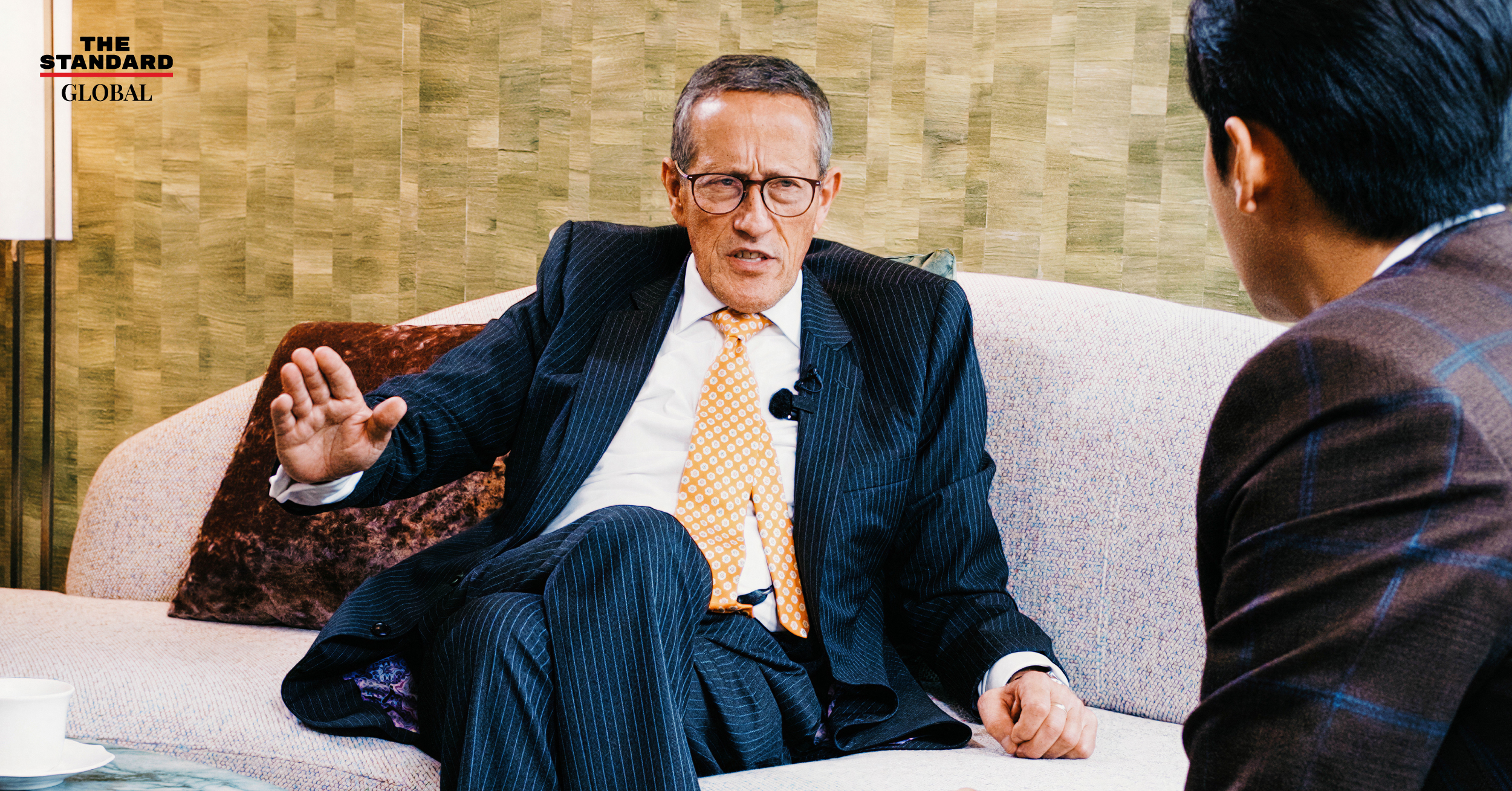
“The problem affected only airlines using Thai Airways’ ground handling services, covering both Thai Airways’ own flights and those of other client airlines it handles, while the other two ground handling providers at Suvarnabhumi experienced no problems at all,” said Paweena Jariyathitipong, President of Airports of Thailand Public Company Limited (AOT), in an exclusive interview with STANDARD WEALTH.
AOT ultimately sent staff to help move the luggage and asked the Royal Thai Army for assistance to speed up the process.
These contractual shortcomings are now costing the airline in the court of public opinion and may result in penalties.
Public criticism and calls for action from political figures followed swiftly. Tourism Minister Surasak Phancharoenworakul called the crisis ‘damaging’ to Thailand’s tourism industry and urged the Finance Minister to convene Thai Airways’ board.
On October 9th, Transport Minister Pipat Ratchakitprakarn said the Ministry of Transport and AOT agreed to review and potentially amend Thai Airways’ ground-handling contract, even though the current contract has 15 years remaining.
The review could introduce penalty provisions covering ground handling and cargo warehousing. That would close one of the biggest structural gaps in Thai Airways’ contract with AOT, which currently carries no fines or penalties. During the crisis, this imbalance meant the airline prioritized baggage for its third-party airline clients, whose contracts include strict penalty clauses. Before any formal review can proceed, the Ministry of Transport and AOT will consult the Ministry of Finance, whose permanent secretary also chairs Thai Airways’ board.
Meanwhile, AOT is pushing ahead to bring in a third ground handling provider to reduce its dependence on Thai Airways. The cabinet has approved this move, and the third provider is expected to begin operations in early 2027, according to THE STANDARD WEALTH. Adding a third provider is expected to immediately raise ground baggage-handling capacity by 30 percent and solve the challenges created by the on-ground service monopoly.
In Search For The Next Chief Executive
Thai Airways’ search for a new chief executive will be a journey worth watching. Of the seven candidates who applied after applications closed on 27 September, all are insiders who rose through the airline’s ranks, according to checks by THE STANDARD WEALTH. This reflects how top appointments at the company have long carried political weight.
The incoming chief executive, expected to be appointed by November 2026, will be judged on strengthening ground operations and corporate governance, so that the airline does not unravel the next time a crisis like the floods strikes. Observers should not, however, expect a sharp change of course under a new Chief Executive, especially since the airline will likely appoint someone from within.
Vinit Visessuvanapoom, Director-General of the Fiscal Policy Office (FPO) and a Thai Airways board member representing the Ministry of Finance, the largest shareholder with a 38.90% stake, chairs the committee selecting the new CEO.
The operating strategy and rehabilitation plan will continue to prioritize continuity. Nevertheless, the new chief executive will need to prove they can strengthen ground operations management and corporate governance so personnel management and operational problems don’t once again become the organization’s blind spot.
Charting a Path Forward
A week on, Thai Airways has restored its full schedule and largely cleared its baggage backlog. As operations return to normal, several important questions loom. Investors will closely watch how badly the flood-induced operational crisis hits fourth-quarter 2026 earnings and what new direction (if any) the company chooses to pursue under new leadership.
KGI Securities and Yuanta Securities estimate the net financial impact of the Suvarnabhumi disruption at THB 89–162 mn, to be booked in THAI’s fourth-quarter 2026 results. Gross costs are partly offset by THB 52–88mn in savings on fuel, airport fees and catering, leaving a net hit estimated at no more than 0.8 percent of the THB19.5bn net profit expected for 2026.
This is all the more so now that the floodwaters have receded and ground staff have returned to work after a few days of disruption. Indeed, THAI’s crisis was less a financial one than a failure of public image and communication, damages that cannot be quantified.
The incoming chief executive will be tasked with convincing investors, shareholders, and, above all, passengers that it can recover from this lapse in public confidence.