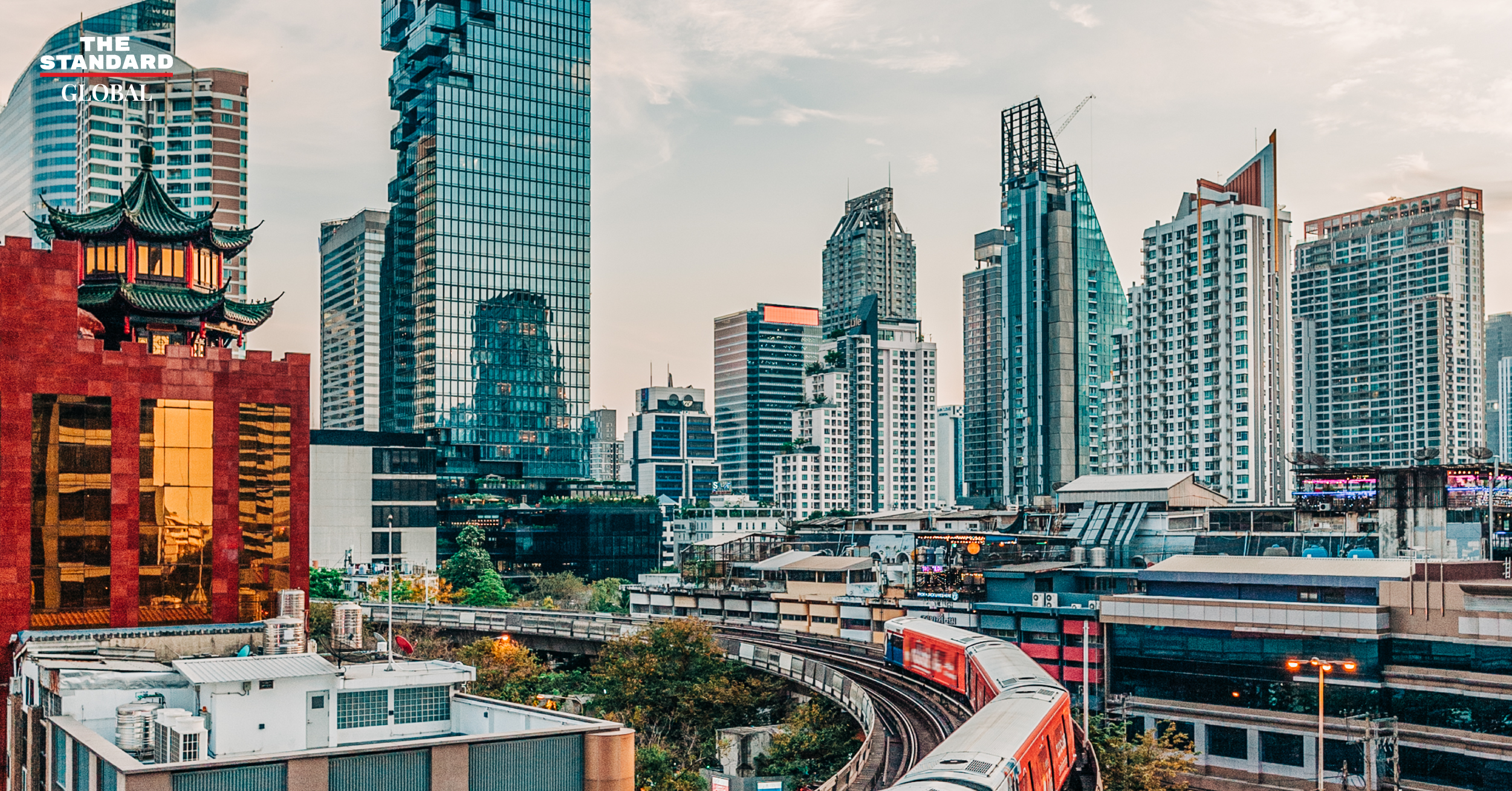


The Financial Times brought its Business of Luxury Summit Asia Edition to Bangkok this week, gathering leading names in hospitality, wellness, beauty and fashion at Capella Bangkok on the banks of the Chao Phraya.
Key Point
From intimate fireside chats led by the FT’s Fashion Editor Elizabeth Paton to insights from Tokyo-based cult streetwear brand Ambush’s Yoon Ahn, Toryo Ito of Ryosokuin Temple, and Thailand’s entertainment superstars Becky Armstrong and Bright, one theme emerged throughout the day.
Luxury today is about people and enriching experiences, not just designer labels and material goods. It’s the wellness retreat, the curator who maps out your weekend stay, or the in-store experience that stays with you long after you’ve left.
Asia’s Luxury Demand: People Want to Feel Good
With China at the heart of Asia’s luxury market, the industry has long looked to Chinese consumers for signals of where appetite and spending power are heading.
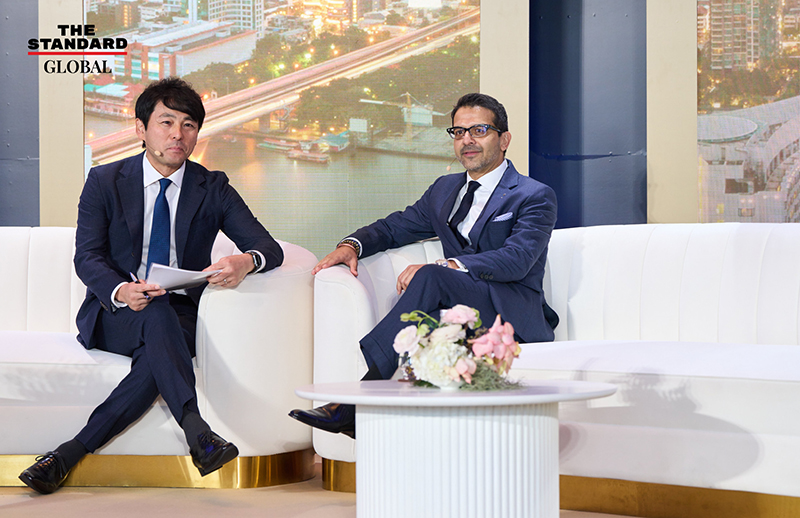
“People do have a loss of confidence, but it doesn’t mean they do not have the willingness to pay. It’s all about product quality and the right brand. If you can take advantage of this new social environment, then the opportunity is quite abundant,” says Dan Wang, China Director, Eurasia Group.
On the same panel, Dr. Pipat Luengnaruemitchai, Chief Economist at Kiatnakin Phatra, acknowledged the reality of a K-Shaped economy.
“The upper end of the K is doing much better,” he says. “That’s why we come to Bangkok and feel like there’s no problem, but the economy is seeing two percent growth.”
Among those still spending, priorities are shifting, mirroring a global move away from acquiring more and towards feeling better. This isn’t happening only in Asia; it’s happening worldwide.
“People want to feel more relaxed; they want to feel good. A lot of things are tied to the economy, AI, and other factors. Step back and think about what people really need,” says Wang.
Hospitality and the Luxury of Experience
“ I think with Asian culture, there’s generally a hospitality that is part of the cultural programming, the DNA. It’s how we receive and take care of people,” observes Feisal Jaffer, Chief Development Officer, Capella Hotel Group.”
Consumers are rethinking how they view and engage with luxury, from what they expect during a hotel stay to how they choose a wellness retreat. It marks a clear move away from overconsumption and the era of loud luxury.
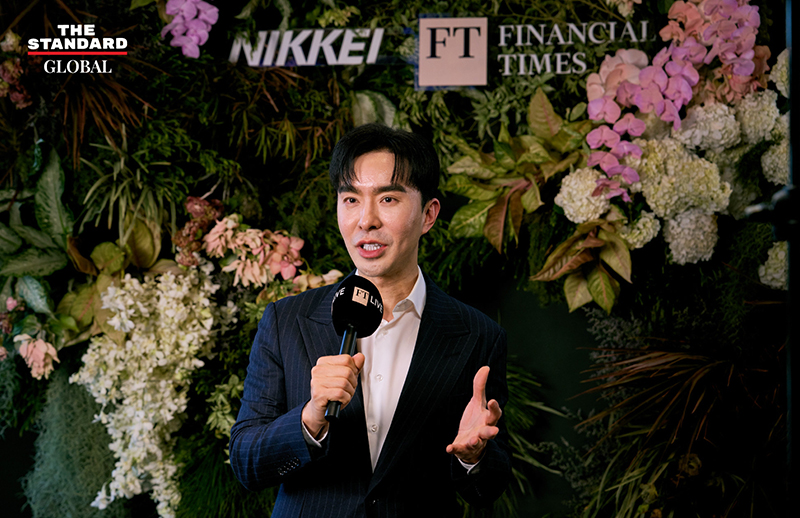
“What’s changed is what the consumer wants luxury to do for them. They’re asking a different set of questions. Where is this from? Who made it? What’s the story behind it?”
As experiences become more individual and move beyond traditional massages and spa treatments, luxury hotels are meeting guests at every stage of their stay, from Capella’s in-house Culturists, who curate local experiences for guests, to a growing focus on sleep, longevity and movement.
“Wellness is now about how you sleep, how you move and how you eat,” says Jaffer, “Luxury has moved on from having more.”
It’s refreshing to hear firsthand how an industry can thrive and grow on instinctively human aspects such as empathy, judgment, and drawing on real-world fluency to create enriching experiences, whether that’s in a luxury Capella suite or during a meditation session at Kyoto’s Ryosoku-in Temple; the human experience sits at the core.
“Judgment and empathy are fundamentally human,” he says. “It’s part of what we believe is the craft of hospitality. It’s always going to be human, especially at the level we operate at.”
Several key themes ran through several panels on luxury travel and wellness, from bringing Zen philosophy into business and hospitality to how people choose to spend their time and money.
“Multigenerational trips are surging. High-end travel is shifting from purely exclusive formats toward inclusive experiences shared with parents, children, and loved ones,” says Keno Lung, Senior Vice President, Talent and Culture, Global, Rosewood Hotel Group.
“Modern luxury guests seek authentic and location-unique experiences. Impeccable service is now the baseline expectation rather than a differentiator.”
It is a lesson worth noting for hotel brands, particularly in Bangkok, a city long celebrated for its hospitality and wellness offerings, yet still adapting to a changing consumer landscape. Hospitality will always be a people business at heart. As the modern traveller’s demands shift, hotels will need to meet these new expectations while staying true to their character.
The Rise of Longevity and T-Beauty
The desire for balance in body, mind and spirit is fundamentally human, and it is fuelling demand for longevity, preventive wellness and aesthetics across Asia, where consumers increasingly prioritize healthspan over lifespan. Health has become the new expression of wealth.
In aesthetics, the trend is shifting away from invasive surgery and towards natural aging and non-invasive maintenance, with growing attention on optimizing internal health. This has given way to new longevity trends, with early diagnostics also coming into play.
“Consumer spending is shifting globally from material luxury goods toward investments in personal health, longevity, and quality of life,” says Dr. Chris Asandra, Founder & CEO of Asandra MD International, which recently expanded in Bangkok and offers highly personalized, evidence-based treatments.
“Bangkok is an efficient, central medical tourism hub. The practice fills a crucial gap by bringing advanced longevity, hormone balancing, and lifestyle optimization to consumers who increasingly prioritize personal health over material luxuries.”
Thailand is capturing a growing share of luxury wellness demand. In November, Clinique La Prairie will open its health resort at Tri Vananda in Phuket, bringing almost a century of Swiss longevity expertise to the tropics.
“The resort will deliver immersive, week-long diagnostics and medical interventions,” says Simone Gibertoni, Clinique La Prairie’s Group CEO.
Local players are making the same case. “Thailand distinguishes itself through advanced medical expertise combined with genuine hospitality, active listening and holistic patient care, rather than standardized protocols,” says Dr Dissapong ‘Joe’ Panithaporn, co-founder and lead dermatologist at The Demis Clinic, whose clients have included Kim Kardashian and Jackson Wang.
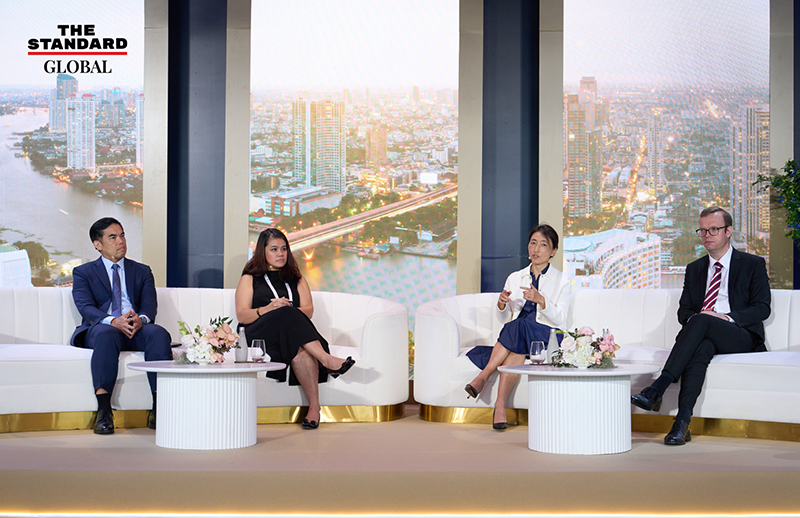
As the wealthy continue to invest in how long and how well they live, Thailand is well positioned to become the region’s natural destination. Its strength lies in pairing Thai hospitality and a human touch with world-class expertise, whether from established local players or prominent international names.
Luxury, as the industry’s leading voices made clear in Bangkok, has come full circle: back to people, places, and the simple pleasure of staying well.