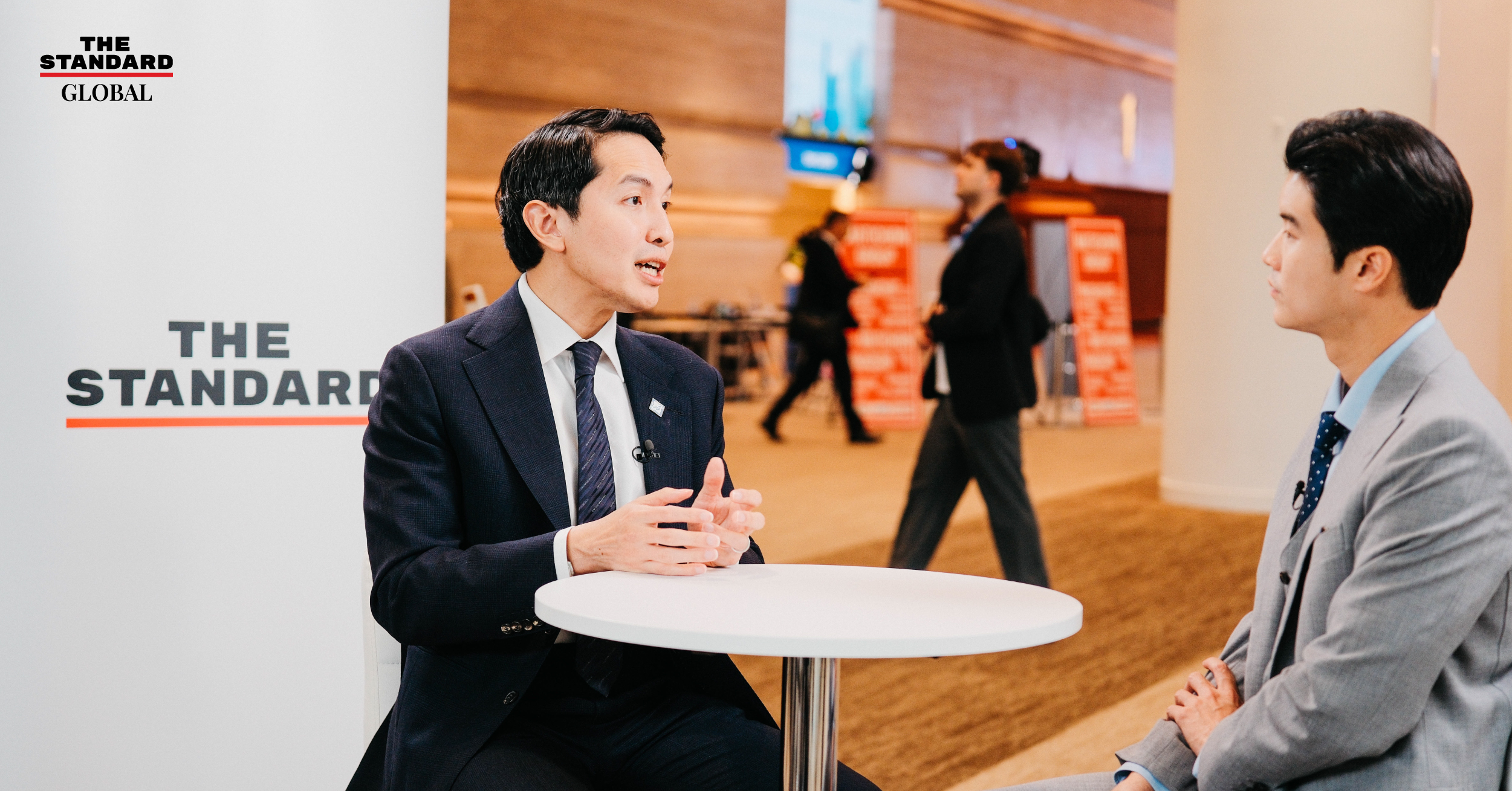


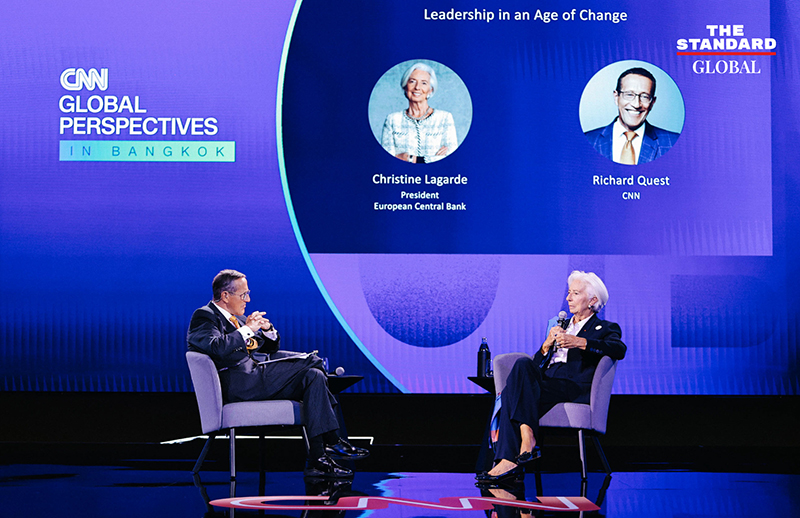
Richard Quest is in Bangkok for the inaugural Asia edition of CNN’s Global Perspectives. Before our sit-down, he spent the morning interviewing Christine Lagarde, President of the European Central Bank. As we sat down, he told me a good interview is like ballroom dancing. He paused to ask whether I did any ballroom dancing myself (I don’t), then pressed on.
“It requires two to tango, as we say in English,” he said. “If I come prepared to do a waltz and you come prepared to do a rumba or a tango, it might look fun, but if we’re not doing the same dance, we won’t make any progress.” The result, he added with a grin, is “more heat than light.”
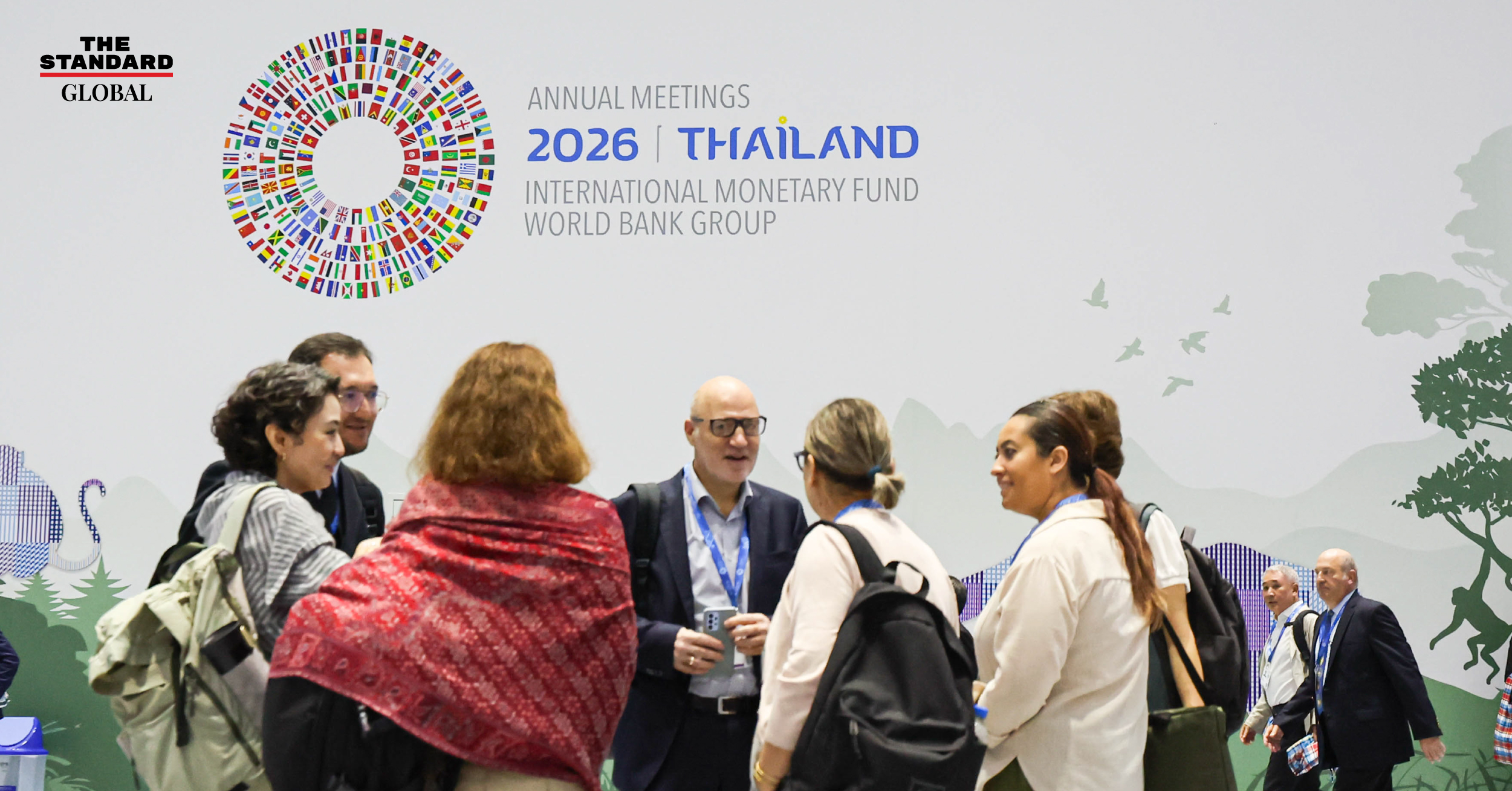
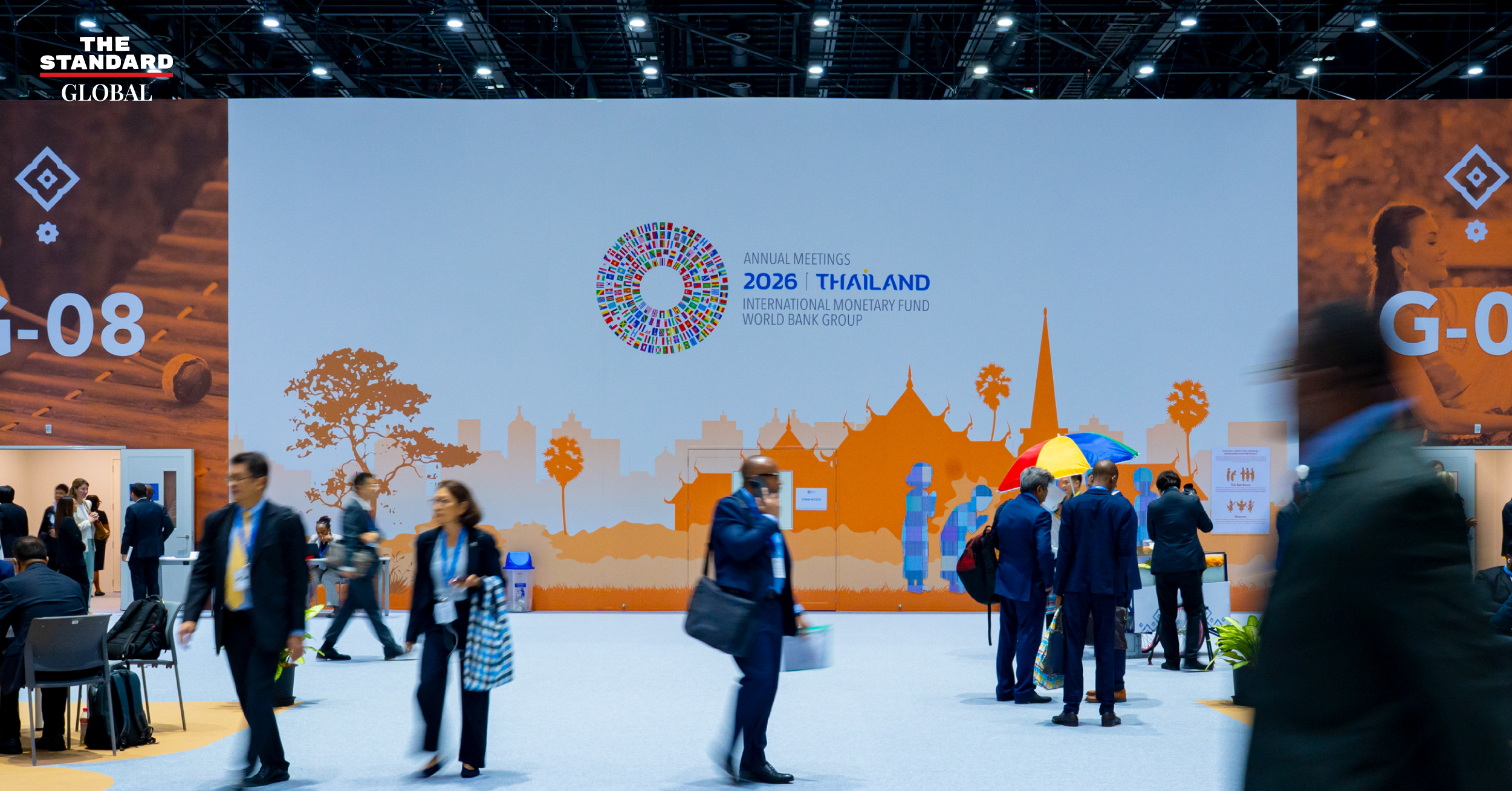
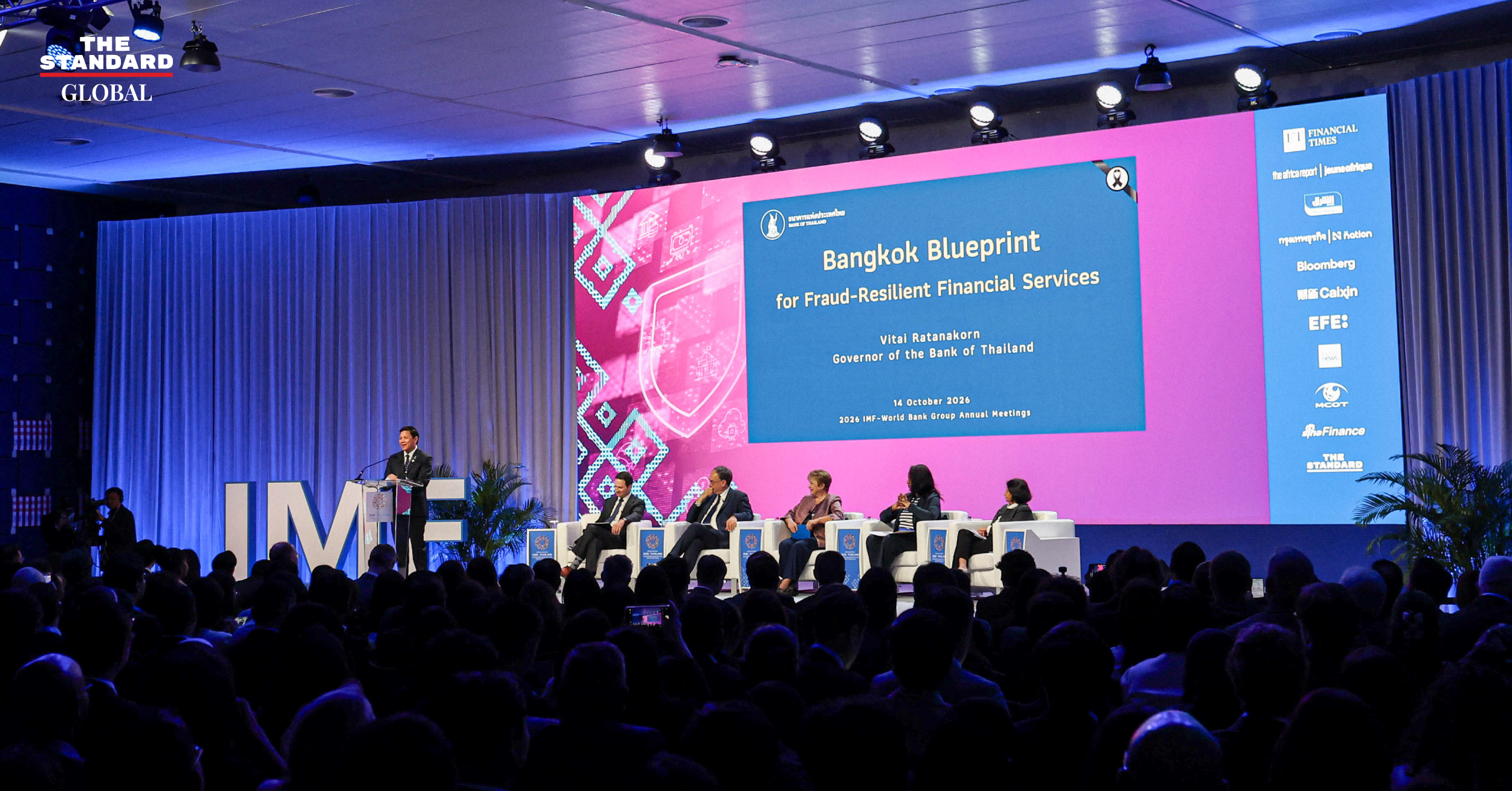
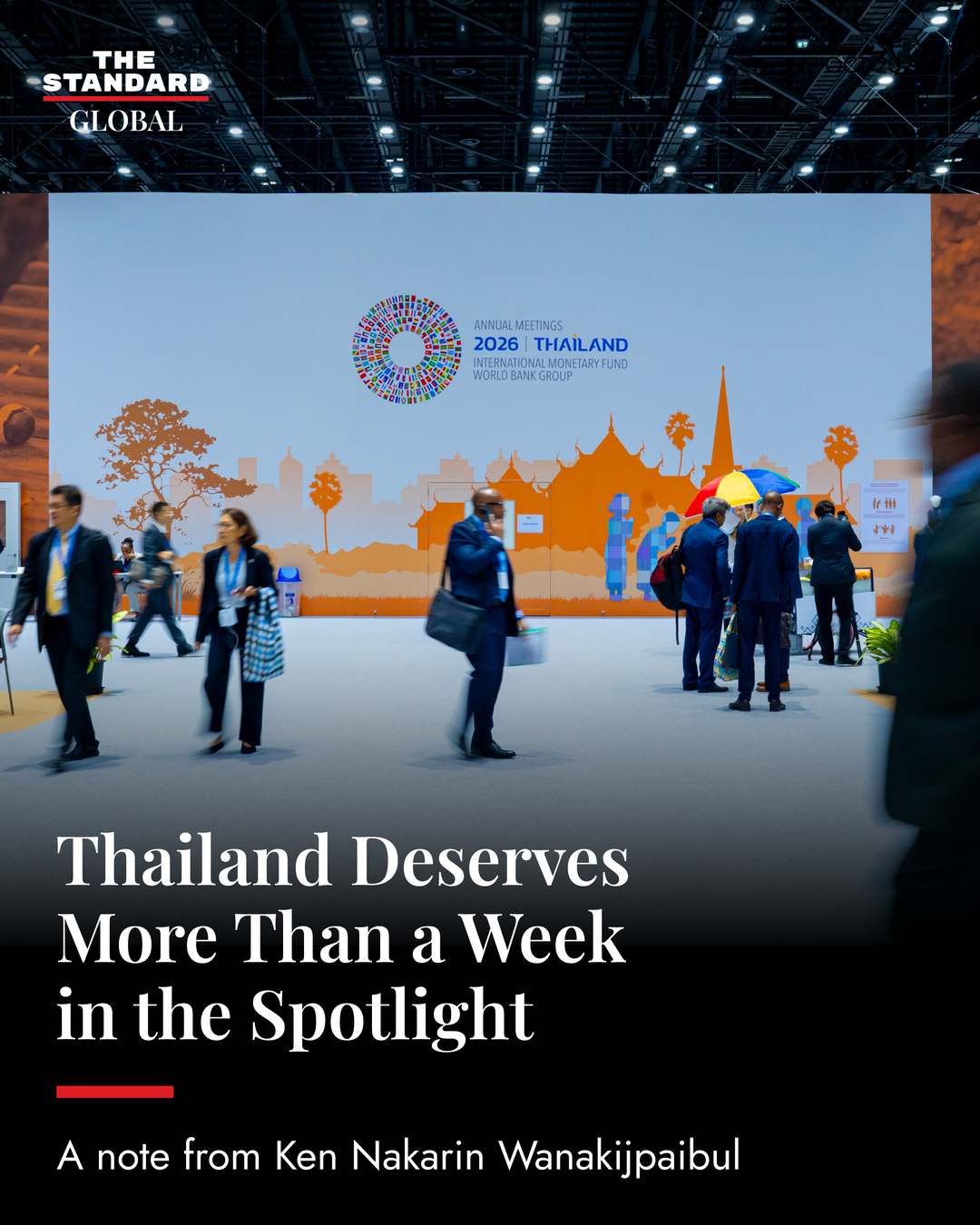
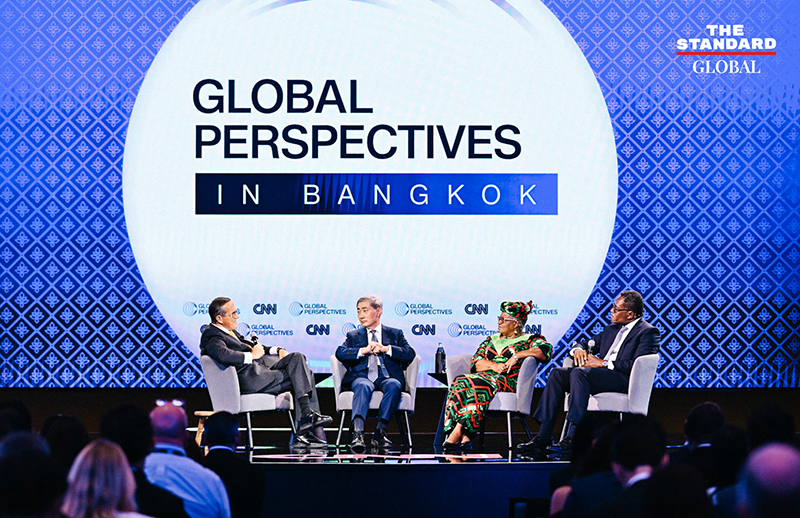
The interview is occurring against the backdrop of an increasingly busy, productive week in the city, alongside the ongoing 2026 IMF-World Bank Annual Meetings and CNN’s Global Perspectives forum at the Ritz-Carlton on October 14th.
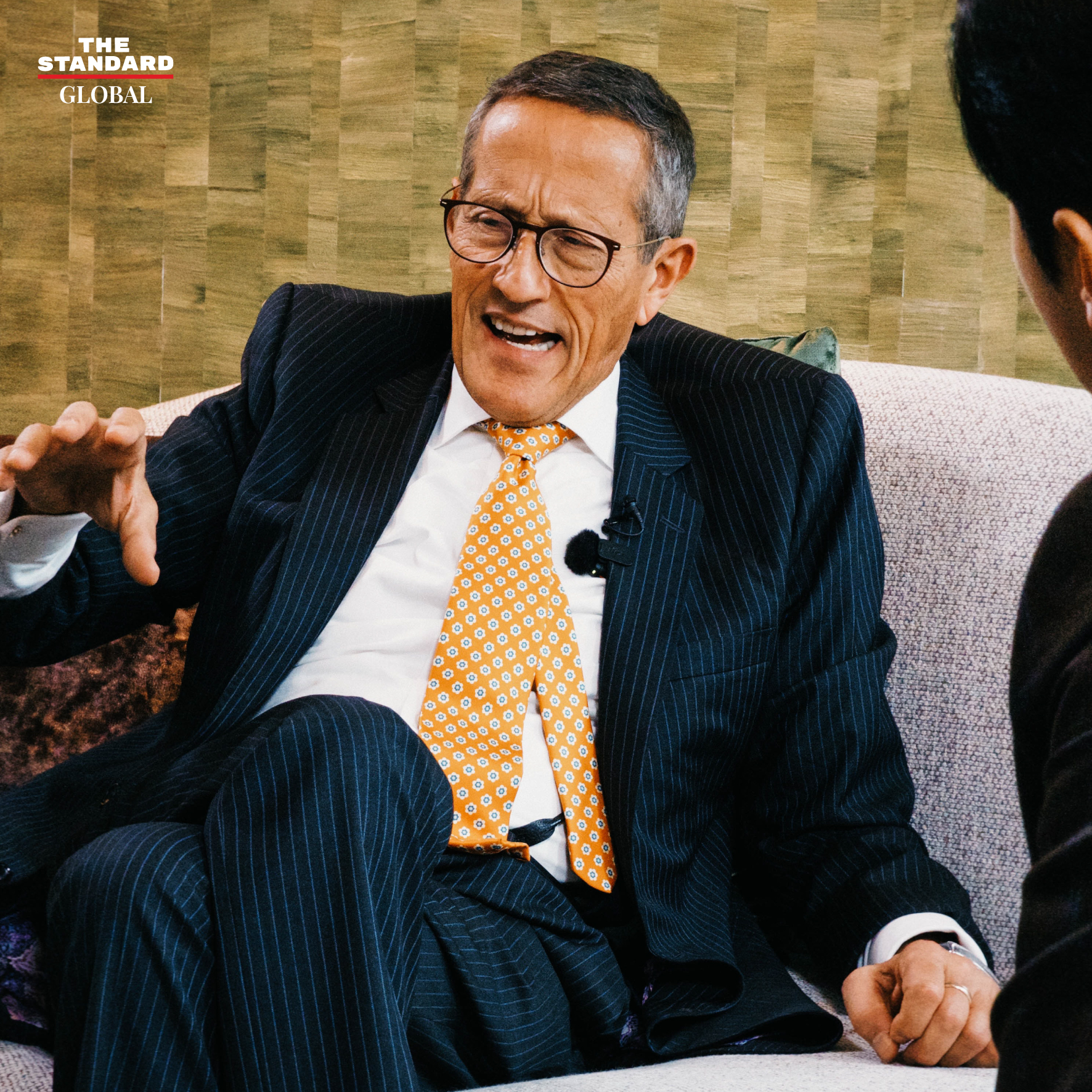
The Richard Quest I met with was exactly as I’d envisioned from what I’ve seen extensively on screen. He says exactly what he thinks, constantly turns the questions back on you, teases and pushes back, and isn’t always agreeable.
With a forty-year journalism career, Quest can navigate the shifting media landscape with the ease and perspective of someone who’s truly seen it all.
When the conversation turned to Joe Rogan, Quest quickly argued that Rogan represents a wave of media personalities “doing news of a different type.” He can question people and take positions on the day’s issues. You can disagree with him, but dismissing him means confusing the content with the distribution channel.
For Quest, the platform is just the delivery mechanism. News has traveled by pigeon, newspaper, radio, television, and now online and social media. That shift matters, and he admitted it is “absolutely destroying traditional television.” But he said what Rogan does today is what Howard Stern or the late Rush Limbaugh did on radio decades ago. Rogan became famous by taking interesting positions, regardless of whether you agree with them or not.
Quest was blunt about the future of influencers who have built careers on doom-scrolling: they’re going to be “absolutely screwed by AI.” With AI flooding feeds with content, he said, it will become much harder to get the same traction. What counts is whether people remember it and whether it made an impact. “Numbers don’t matter,” he said. Ultimately, it’s all about the content and the impact you leave behind.
Within the revolution, media fragmentation is happening across all platforms and segments, with people’s attention pulled across sectors and mediums.
When asked about CNN’s strategy in a changing media landscape, Quest’s answer was simple: “Meet the audience wherever they want to be met. It isn’t up to the network to tell people how to consume news.”
When Ted Turner founded CNN in the 1980s, the audience tuned in at set times. Since then, the media has transformed, and the network has added a website, social media, video-on-demand, and the CNN All-Access streaming service.
“Some people will still want to sit and watch Erin Burnett or Richard Quest. Others will want to read a long, thoughtful article by Nick Paton Walsh online. Somebody else sitting on the toilet or waiting for a bus will just want to scroll through short reels. But what’s the core point? Meet the user where they want. Follow the users, but that’s not easy.”
With each newsroom pulled in multiple directions, Quest is the first to admit it’s not easy. In fact, most days, it’s nearly impossible as the demands are relentless. Are they getting it right? Probably, most of the time. Heading in the right direction? Absolutely. But the honest answer, he said, is that it’s “a bloody nightmare.”
He talks about how a story typically moves through the newsroom, using the most recent interview with Christine Lagarde speaking at Global Perspectives earlier that morning. “First thing, you get the news alert out so people have it on their phones. Next, get the video out as quickly as you can before somebody else does. Then, we realize there’s no analysis, so we’d have to get the Paris correspondent to give an opinion, write a piece, do a voice piece, do a look-live.”
After that, he’d have to put the coverage into words for the website, and the story eventually returns that evening on Quest Means Business.
Quest calls this material management. Words, video and audio flow into one system and are shaped into different formats for different platforms.
It’s certainly a different landscape than when he started out.
“The first time I got a mobile phone in 1987, I called my mom and said Mom, I’m calling you on a mobile phone! I was so terrified about making a personal call that I offered to pay the BBC back!”
Fast forward a few decades and the headlines never sleep. CNN restructured around a policy called “Follow the Sun.” Instead of having staff work through the night in Atlanta or start at 3 am, the newsroom’s output shifts around the globe to wherever people are awake; from the US to Hong Kong, then Abu Dhabi, London, and back to the US.
For Quest, four obstacles stand in the way of transforming the newsroom. First, staffing: getting the right people in the right places at the right level of seniority. Second, budget. Third, avoiding duplicated effort. Fourth, old-fashioned thinking from people who struggle to adapt, which is the trickiest.
“Just because somebody can’t adapt doesn’t mean they get kicked out or are useless; they may have great insight.”
Inevitably, the conversation turned to AI. At CNN, it isn’t used for scriptwriting or creating content, but research is another matter. Before interviewing Christine Lagarde, Quest asked ChatGPT to compare the ECB’s monetary policy with the changes Kevin Warsh wants at the Fed. Within seconds, it produced the key differences and a diagram, work that would have taken him hours.
“But I know enough about the monetary policy of the Fed and ECB that I can evaluate the answer,” he said. “I brought years of experience on top of AI.”
The conversation soon turned closer to home. Over water and coffee, Quest said he’s been to Thailand many times, but one trip stands out: his honeymoon, during the pandemic-era ‘Phuket Sandbox.’
“The trip was six-star luxury,” he said. “Thailand is gaining attention for its luxury wellness and medical tourism.”
CNN chose Bangkok as the destination for its Global Perspectives partly because of the IMF-World Bank meetings, but also because “Bangkok has so much going for it. A vibrant economy, welcoming people, strong hospitality; we don’t avoid political difficulties.”
Thailand’s political volatility has, in many ways, defined our country for the past decade, but in Quest’s positive view, Thailand keeps going despite it all. “Despite the political uncertainty in Thailand, there is stability; the country just keeps chugging on!”
Thailand’s charming paradox is that it balances two identities: a welcoming, hospitality-focused country on one hand, and an ambitious, high-tech modern economy on the other.
What struck him most was Thailand’s passing of same-sex marriage. As a married gay man, the move was significant to him personally.
“In a modern country, you have to accept equality.”
If only we could all see Thailand through Quest’s breezy, upbeat lens. Perhaps we could learn a thing or two from the seasoned journalist.
As for his own life, Quest says that whilst arthritis and frequent trips to the bathroom may keep him up at night, he’s looking forward to the ‘third chapter’ of his life.
“After spending forty years working 10 to 12 hours a day, I want to make sure the next phase of my life with my husband is equally rewarding.”