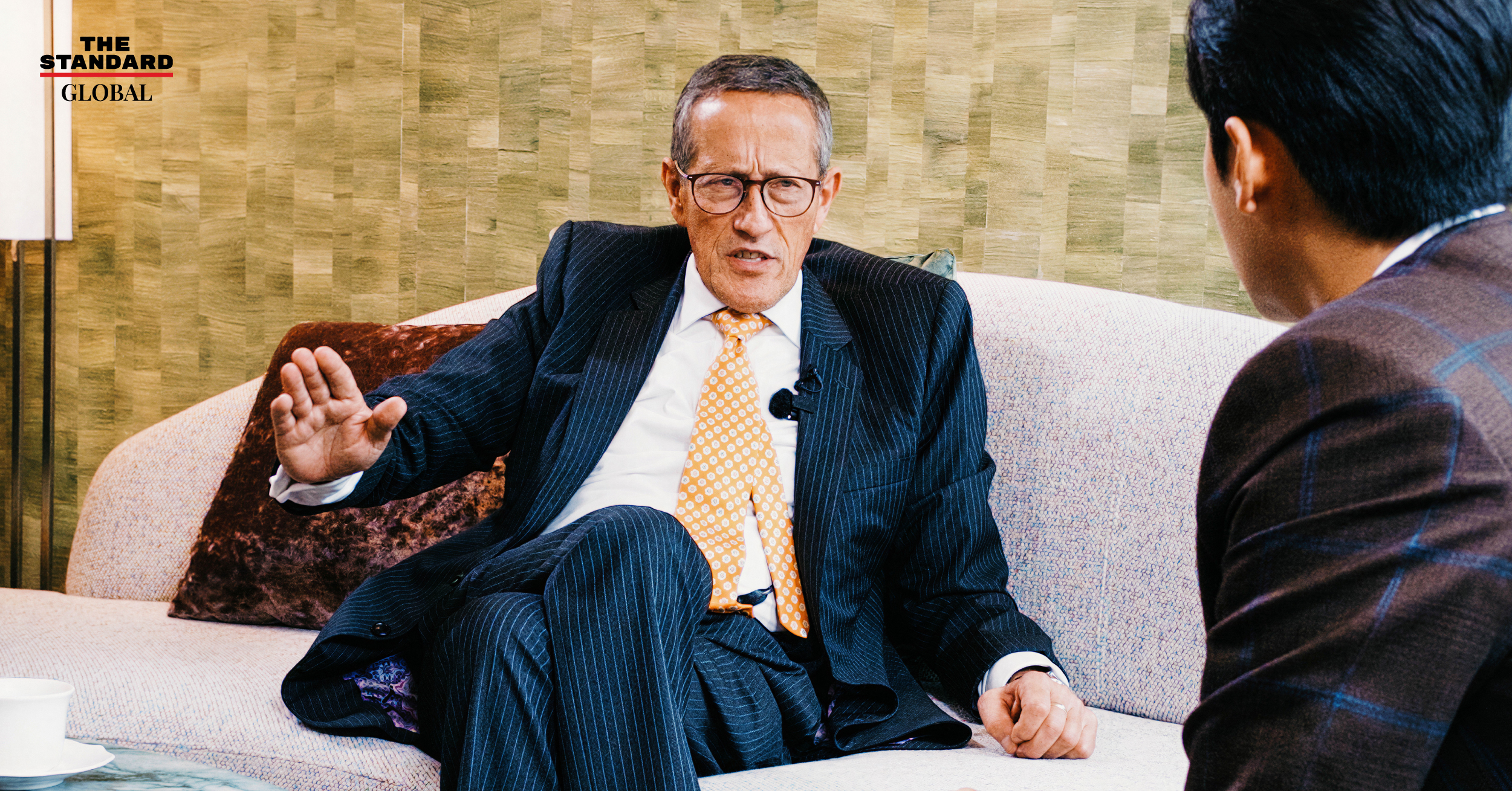


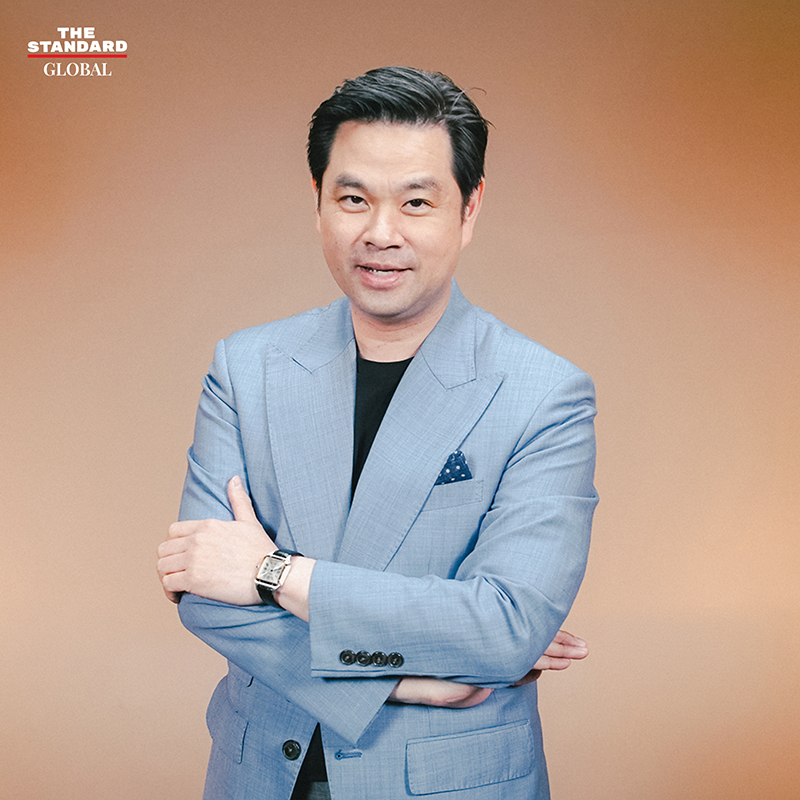
“History is never about remembering dates, places, and names,” says
Here Wit Sittivaekin, commentator, media personality, and, of course, co-host of THE STANDARD’s Morning Wealth. A well-versed history buff, he also hosts the 8 Minute History podcast under THE STANDARD’s umbrella of shows.
“If you’re only taught to remember facts and figures, you’ll never truly understand history.”
For Here Wit, history is a “reservoir of wisdom that can be used to explain a country’s logic, its strategic decisions, opportunities, and even used to understand the present.
“I’ve loved history since I was young. It started with historical novels and films, and then I just kept reading, from all kinds of sources. I was hooked on The Legend of the Condor Heroes, which Thais know as Mungkorn Yok, and it went from there. Then I discovered Kun Suek.”
Here, Wit’s interest in all things historical began as a real hobby, a form of entertainment, and a way to relish retold stories.
“I read a lot, and cross-check my sources. You have to really enjoy it for your own self-satisfaction,” he says. “Otherwise, you won’t care.”
For him, studying history is key to understanding economics, politics, and geopolitics. It’s a way to understand why countries make the decisions they do, even through today’s contemporary lens
“Highly developed countries in the world all study history. It’s an important part of cultivating wisdom and understanding; it teaches you to think.”
Thailand hasn’t appeared much in history books or historical narratives because our country has never been colonized. Thailand isn’t woven into Western history the way Vietnam or Singapore is.
Beyond that, Here Wit points out that historical Thai figures never really built a culture of writing things down.
“You don’t see Thai leaders or generals writing memoirs the way the British or Americans do.”
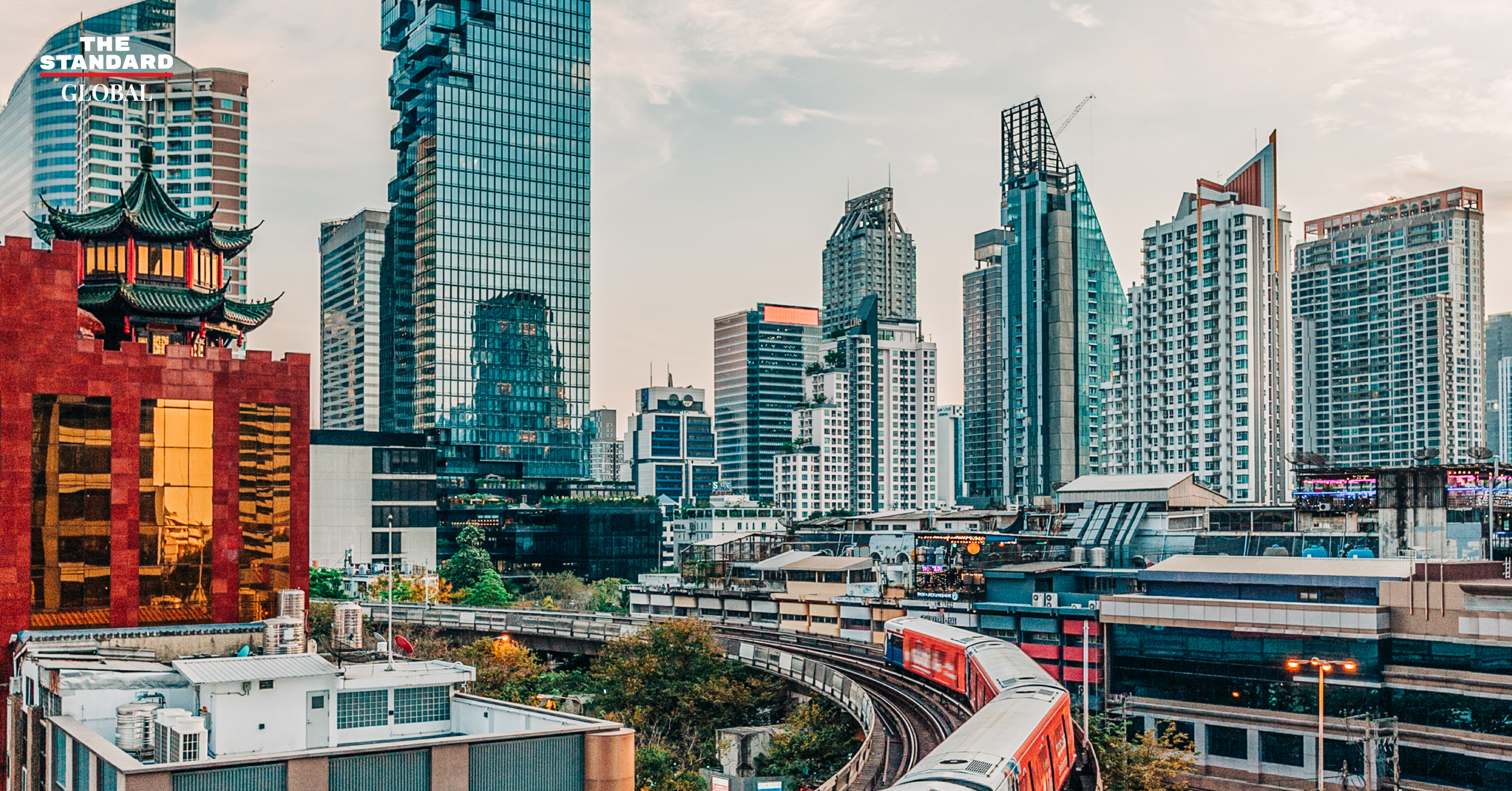
During our discussion, Here Wit reflected on how much of contemporary Thailand was shaped by the foreign partners it chose. Look around Bangkok, and you can see how independence shaped the way foreign influence arrived.
He argues that Thai history should be told as part of world history, because Thailand has always been more connected to other nations than most people realize.
“The irony is that independence is exactly why the world often overlooks Thailand’s place in history,” says Here Wit. “No empire ever claimed Siam, so no imperial archive ever recorded it. Escaping French and British control also meant Thailand could choose its own partners, bringing in Italian sculptors, German experts, and others to help build the country.”
The influence remains scattered across urban Bangkok, shaping how our city is woven together, from street names to conglomerates that remain titans of their industry.
“The statue of Rama I at Memorial Bridge, the reliefs on the Democracy Monument and the soldiers on the Victory Monument were shaped by Corrado Feroci, a Florentine sculptor Siam hired in 1923,” he says.
“The artist ended up founding Silpakorn University and remained in Thailand under the name Silpa Bhirasri.”
Meanwhile, Henri Dunant Road is named after the Swiss founder of the Red Cross. The Thai Red Cross began in 1893, when Siam founded its own society to care for wounded soldiers in its battle with France.
Even state-owned PTT grew in the 1970s, followed by the joint Thai-American exploration in the Gulf of Thailand.
To gauge our position in the current global order, Thailand should be understood backward. For Here Wit, Thailand is often over-politicized, but we should understand our country in a wider context.
“Thailand’s problems should be seen and understood alongside organizational culture, fiscal discipline, economic structure and the way Thai people think.”
Historically, Thailand grew by seizing opportunities in the global order, becoming Japan’s alternative production base in the 1980s when the Yen soared and laying the foundation for Thailand to become a strong manufacturing base for Japanese automakers.
In many ways, the same playbook is being rewritten, but Thailand finds itself caught between maintaining its existing production base and pursuing future-forward ambitions across segments such as EV production and AI.
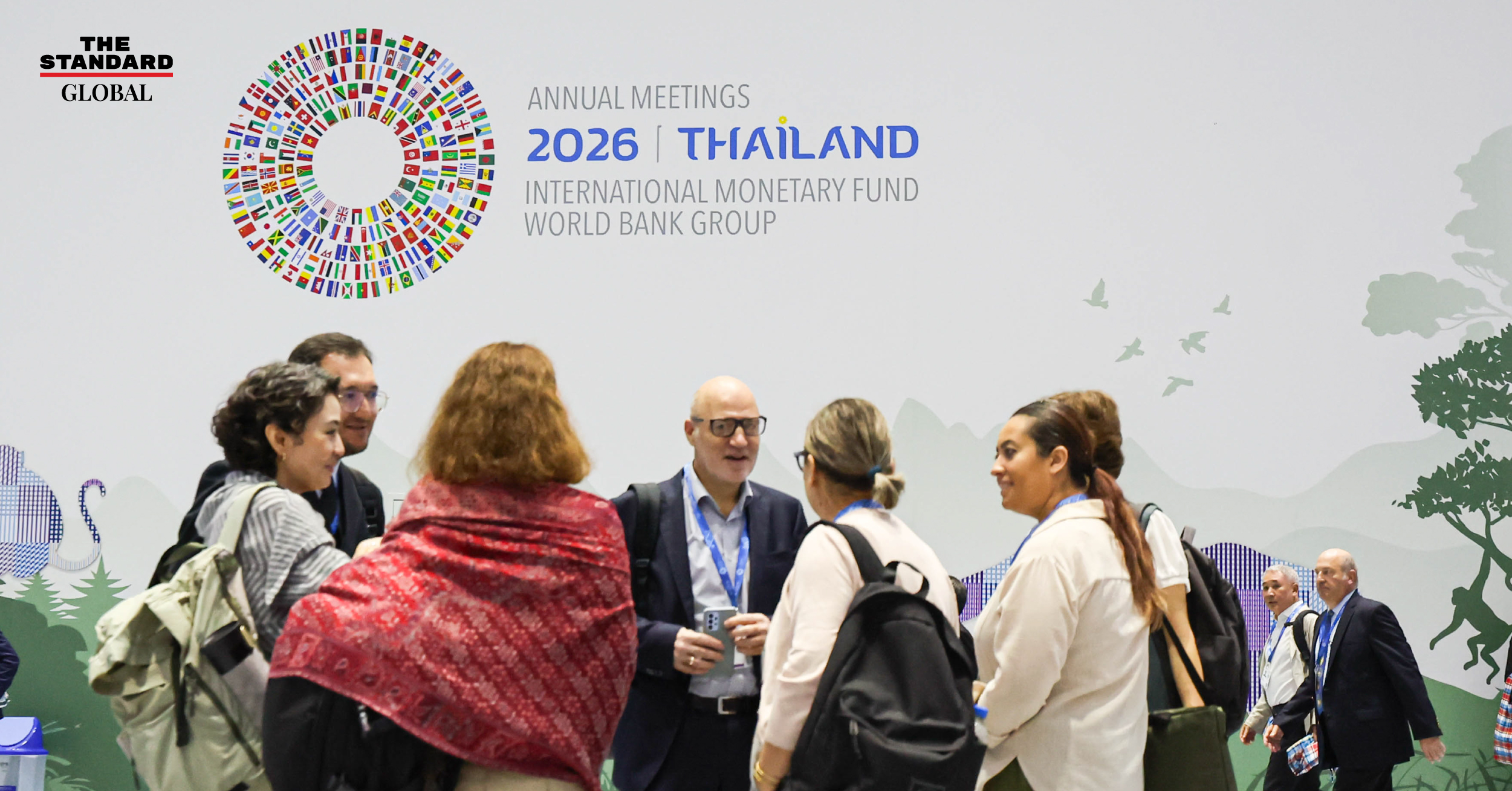
“It’s important to understand history and understand how it can teach us about the future,” he says. “Looking back at the 1997 Tom Yum Kung crisis, whilst it stemmed from complex factors, we also ignored IMF warnings.”
As we sit at the crossroads of global repositioning, rapid digitization, and a broader K-shaped economic recovery, it’s never been more necessary to learn from the past.
“I think Thailand’s still going to be balancing between the big powers. Being the buffer is just who we are, and it’ll keep shaping how we deal with the world.”