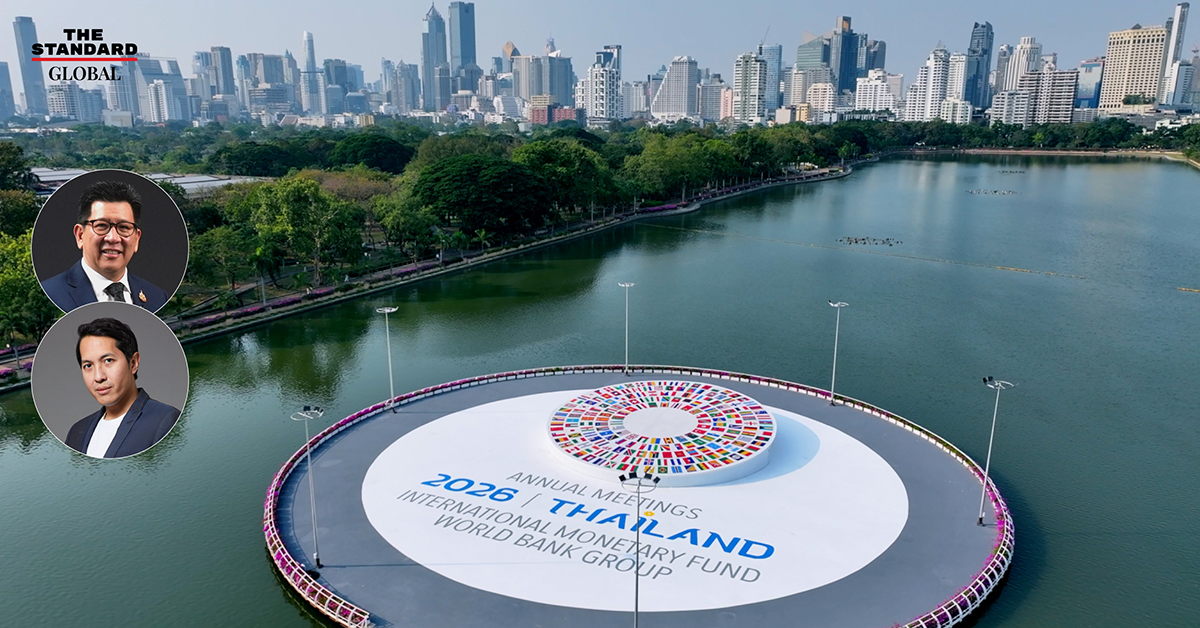
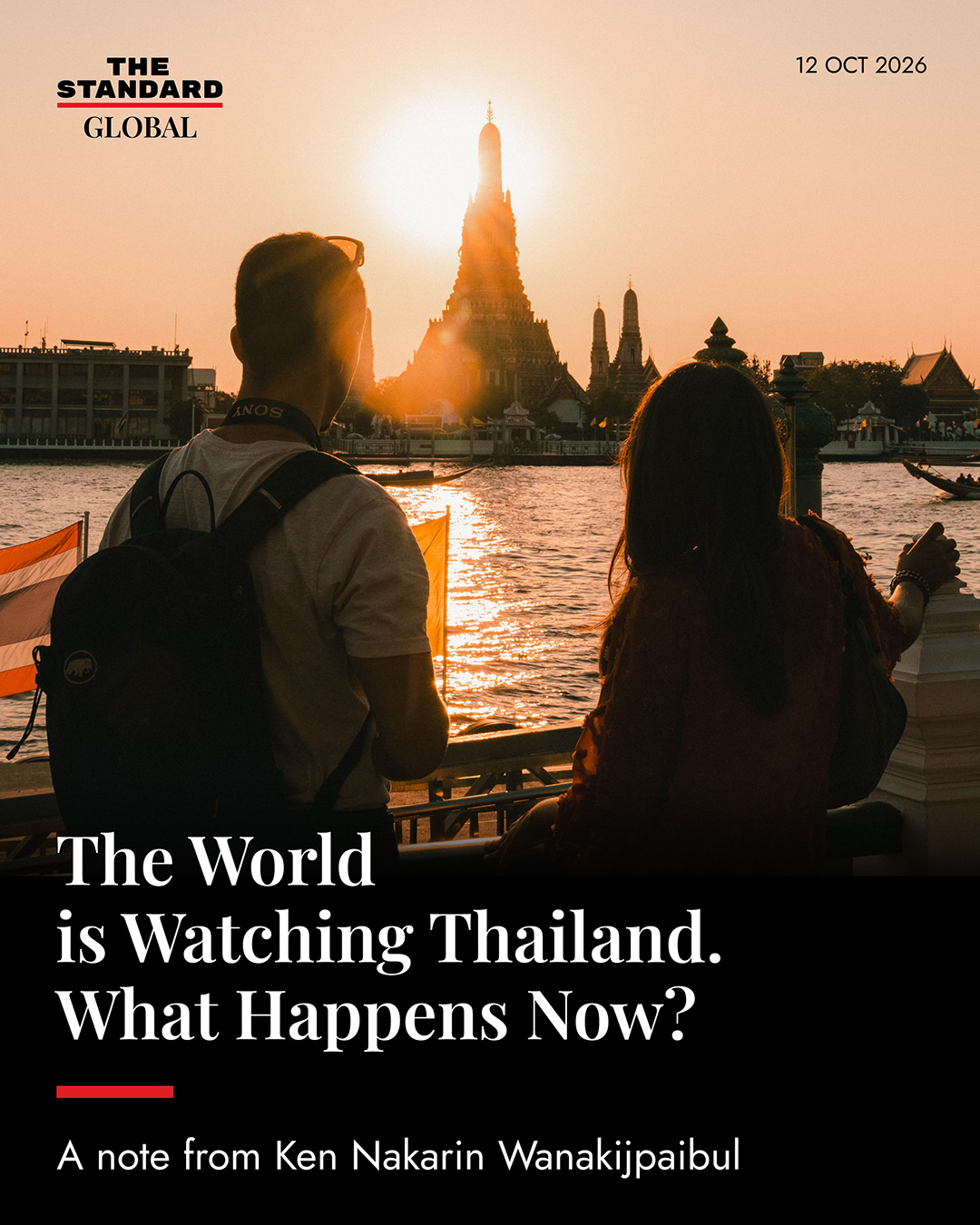
We’re coming off an incredibly busy week here in Bangkok, with the 2026 IMF-World Bank Meetings ending this weekend and the CNN Global Perspective chapter in Bangkok running concurrently.
On the side, it must have been one of Bangkok’s most heavily caffeinated weeks. Throughout the week, I saw meeting rooms, hotel lobbies and dinner tables buzzing with conversations, ranging from interest rates, debt, AI and the future of work. I’m sure Bangkok’s heat and humidity made their way into some of the side conversations, too. One executive told me he went through twelve meetings in a single day.
I’m sure coffee, or Oliang, as our Prime Minister praised, fueled much of this week’s global-economy discussions.
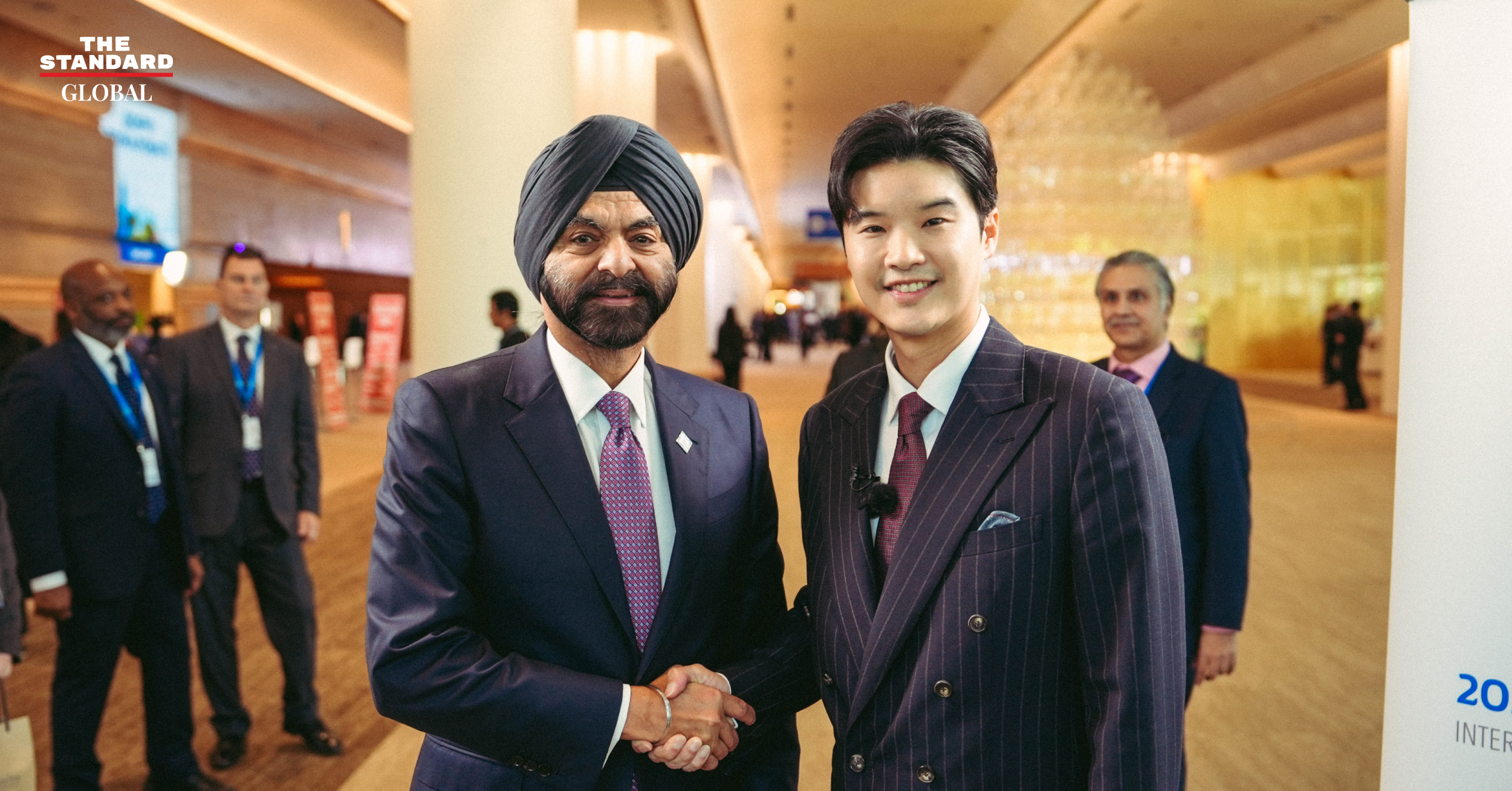
The IMF–World Bank Annual Meetings have brought some of the world’s most influential economic figures to Bangkok: US Federal Reserve Chair Kevin Warsh, European Central Bank President Christine Lagarde, IMF Managing Director Kristalina Georgieva, World Bank Group President Ajay Banga and OECD Secretary-General Mathias Cormann, alongside finance ministers, central bank governors and leaders of global financial institutions.
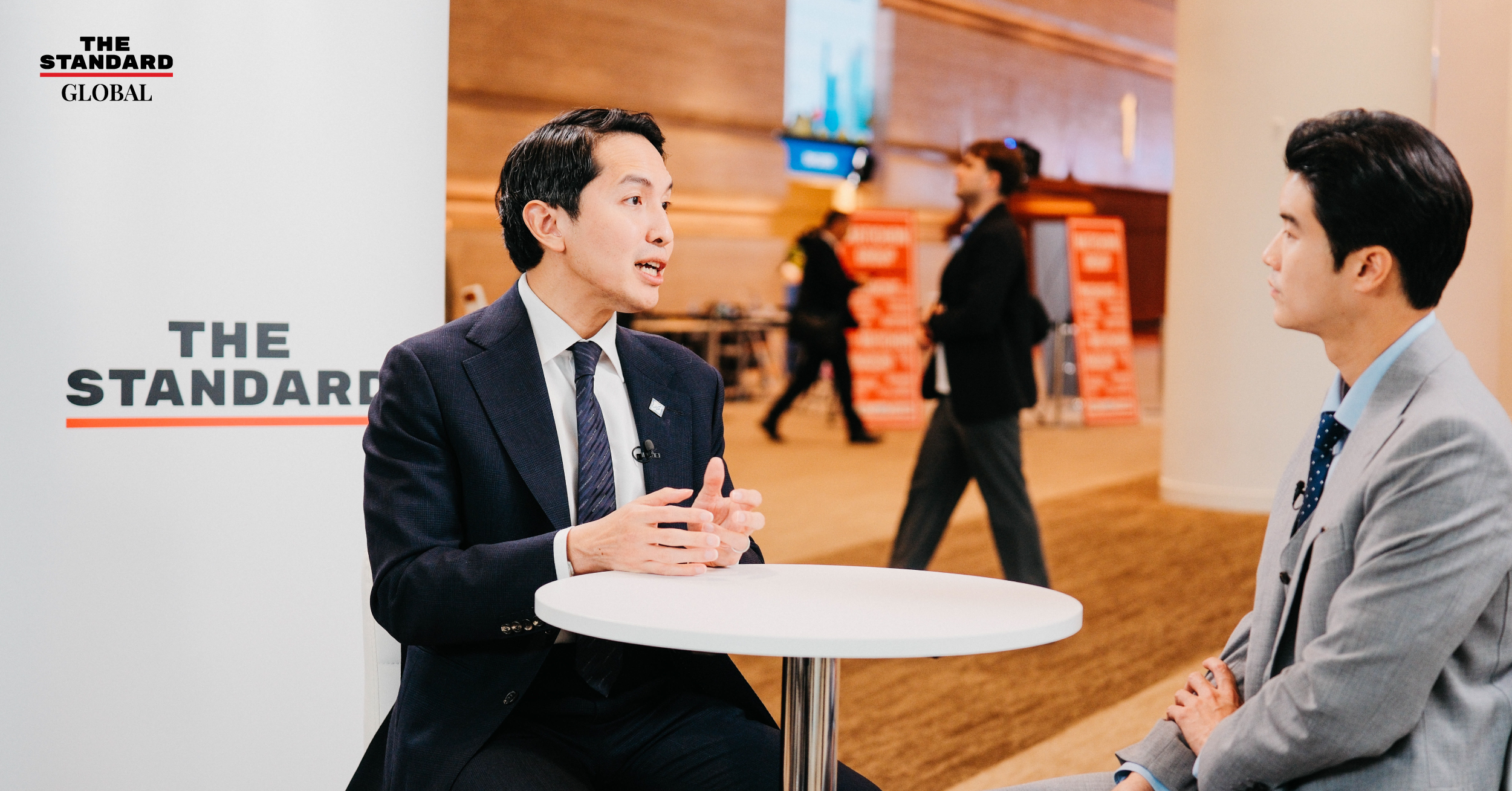
I also had the opportunity to sit down with CNN’s Richard Quest.
The point is, the people we typically see in headlines are in Bangkok, sharing insights and shaping policy decisions over coffee in our city.
“Thailand is back.”
I’ve heard this sentence from officials and business leaders throughout the week. Those words carry hope, and I understand the optimism. But I also hear the other side; what does this mean for me?
Think about it this way. For a Thai person struggling with a mortgage, school fees, or keeping a small business afloat in a sluggish economy, this week’s most noticeable thing probably wasn’t the global economy. It was the road closures.
Looking beyond the conference doors, it’s fair to say we cannot expect people to be excited or optimistic about pending success until it trickles down through the economy.
In 1991, when Thailand hosted the meetings at the same location of Queen Sirikit National Convention Center, the economy expanded by 8.6%. The country was being hailed as Asia’s prospective ‘fifth tiger,’ attracting investment and confidence in its future. Thirty-five years on, the IMF forecasts Thailand’s growth at 2.1% for this year. Meanwhile, the S&P’s long-term foreign-currency sovereign rating has moved from A− to BBB+, still investment grade, but one notch lower.
This raises a critical question as the week’s meetings end. How do we reignite momentum in Thailand, regain investor confidence, and restore optimism for the country’s new generation?
As of Q2 2026, Thai household debt stood at 16.43 trillion baht, or 85.2% of GDP. Beneath that, the same structural problems persist: stagnant productivity, a skills gap in the workforce, and a long-stalled shift toward higher-value industries. Whilst hospitality remains a key strength, being an enjoyable destination and committing to its economic prospects are two entirely different things.
Thailand’s attractiveness to investors will rise only with strong governance and policy continuity, fair regulations, and a government committed to delivering results.
That said, pockets of opportunity remain in Thailand. We are among a handful of Asian economies benefiting from the global AI investment boom, with gains coming through electronics exports and growing interest in data center investments. However, we must engage more in the value chain and move beyond being mere assemblers.
We must leverage technology to boost our economy’s productivity. We must upgrade the sectors that have long been our strengths, such as food, tourism, and healthcare. AI adoption must translate into practical gains, not just for AI’s sake. From food producers reducing waste to healthcare providers cutting admin time and small businesses streamlining operations through technology, advancement must trickle down and be felt throughout.
This is where the real work begins for us. Government units and businesses must turn a week of optimistic meetings into measurable outcomes and KPIs. We should be able to track six months to a year from now about whether a meeting led to investments, whether any barriers were removed and whether high-skilled workers were added to the workforce.
Throughout it all, I am glad to have seen Bangkok buzzing like this in the past week. Thai people have long deserved a place on the world stage, and having a role in shaping the global economy is something we can aspire to see.
Thailand has had the world’s attention this week. The real measure of success is whether that attention turns into something ordinary Thais can feel: a reason to be optimistic about their own future. That’s what we deserve.
Ken Nakarin Wanakijpaibul
CEO and Editor-in-Chief, THE STANDARD