

The 2026 IMF-World Bank Annual Meetings officially began today, 12 October, with Bangkok hosting for the first time since 1991. Thirty-five years later, the landscape is vastly different, as the world navigates a more volatile geopolitical backdrop, challenging macroeconomic conditions, and, arguably, the biggest threat of all: the rapid rise of artificial intelligence (AI) and its role in transforming the entire workforce.
Key Point
AI as the overarching theme
AI was the overarching theme of opening day, shaping keynotes, opening panels, and side discussions, particularly around the future of work, job creation, and the evolving role of government in a future-ready age.
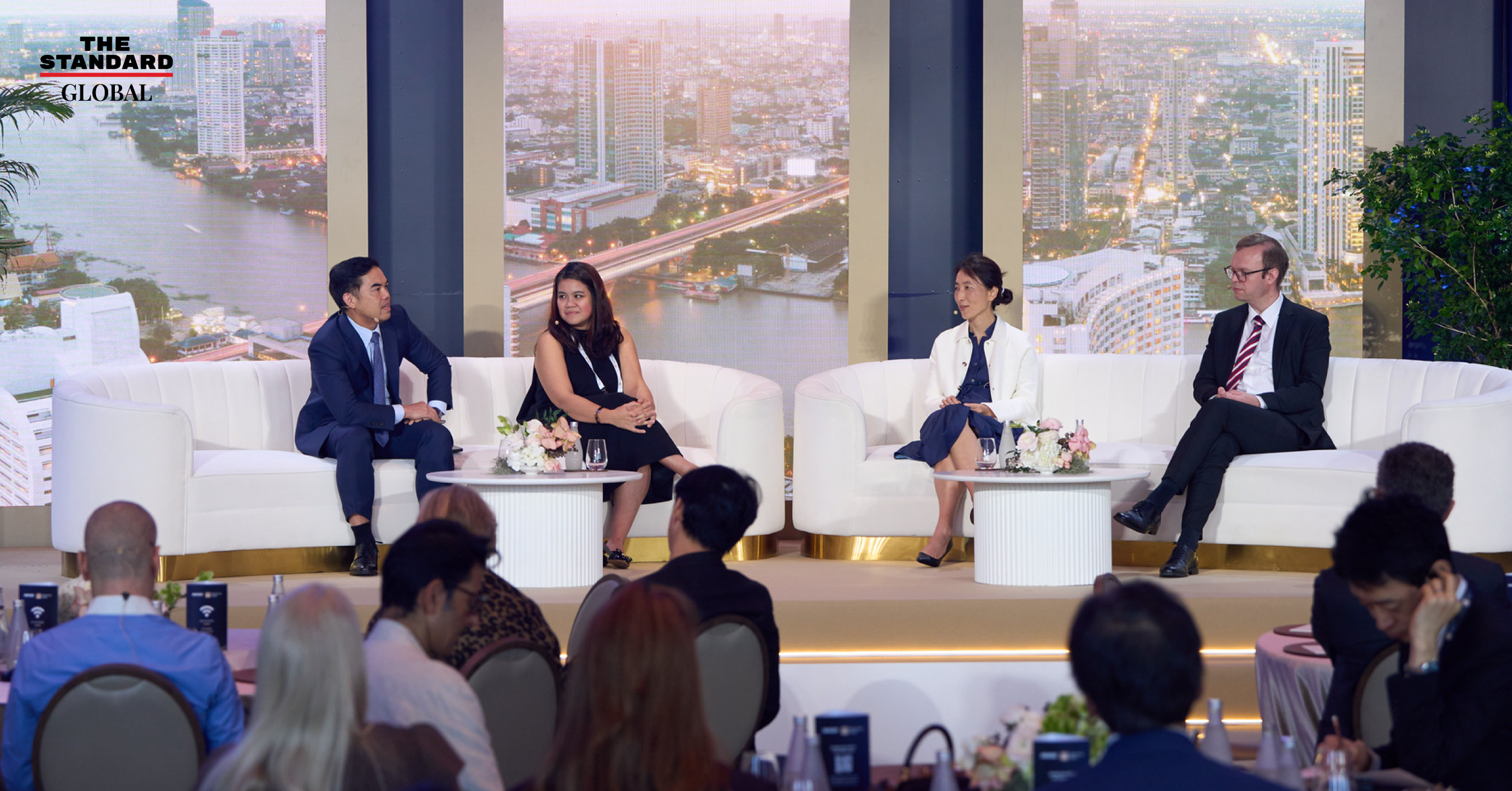
Strong investment in AI is keeping global growth at about 3% and benefiting Asian economies in the value chain, said International Monetary Fund Managing Director Kristalina Georgieva at the morning panel “Small AI: More and Better Jobs.”
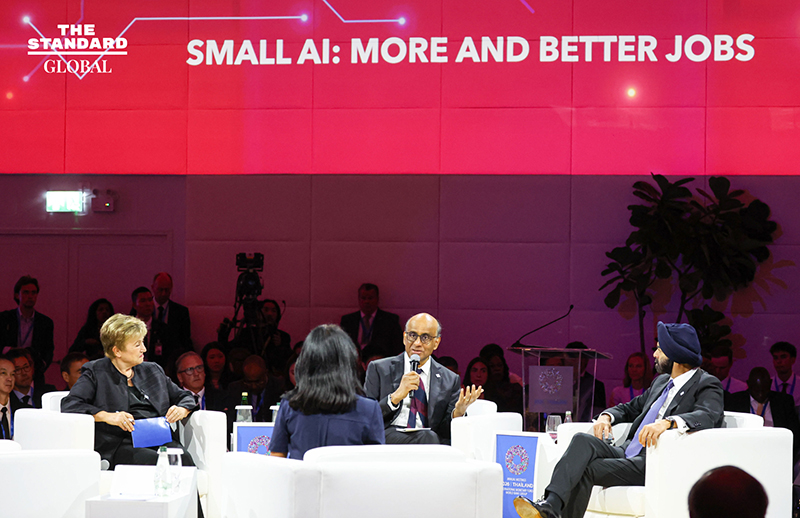
According to Georgieva, AI-driven productivity could offset up to one percentage point of GDP drag from aging populations in advanced Asian economies and boost growth by 0.5 to 1 percentage point. Emerging Asian economies, meanwhile, could gain 0.2 to 0.8 percentage points.
Georgieva likened AI to a “slow-moving tsunami” already transforming lives and reshaping jobs, education, and even how governments must think about taxation going forward. AI may affect 40% of jobs globally (23% in lower-income nations), primarily by altering tasks before eliminating entire roles.
According to Ajay Banga, President of the World Bank Group, job creation in the AI age depends on infrastructure and good governance.
“For emerging markets, it’s important to focus on affordable, small AI that enhances productivity across sectors such as education, healthcare, and agriculture,” said Banga.
He identifies job opportunities across five sectors: infrastructure, agriculture, primary healthcare, tourism, and manufacturing.
Beyond that, he cited Thailand’s tourism sector as an example of an industry that continues to create jobs that meet domestic demand, without relying solely on relocated work from wealthier countries.
For Singapore’s President Tharman Shanmugaratnam, AI will reshape jobs by blurring the lines between employees and entrepreneurs, enabling one-person firms through shared smart-service platforms.
He also offered a valuable takeaway for governments shaping AI policy and education: governments must work with the private sector to create entry pathways to first jobs for fresh graduates so they aren’t left out of the value chain.
“Workers need to adapt and upskill on the job. AI means that people will have to be lifelong learners and be agile,” he said.
Thailand’s role in the value chain
Investors, businesses, and the general public will be watching closely to see how Thailand builds on its host-country success after the meetings end this week. The key questions this week are what opportunities or investments will emerge from the meetings, and how their economic impact, whether through investment numbers or job creation, will be felt across the entire value chain.
Georgieva highlights Asia’s important role in building AI infrastructure. This opportunity means Thailand must pair investments with strong governance and career pathways to fully benefit.
Dr. Ekniti Nitithanprapas, Thailand’s Minister of Finance, delivered a keynote in the same session and said AI and employment were a fitting opening topic, as the technology is changing how we work worldwide. He outlined the government’s three key priorities for AI: AI in All (using it to improve existing jobs), All in AI (building capabilities and creating new jobs), and AI for all (ensuring the benefits reach everyone).
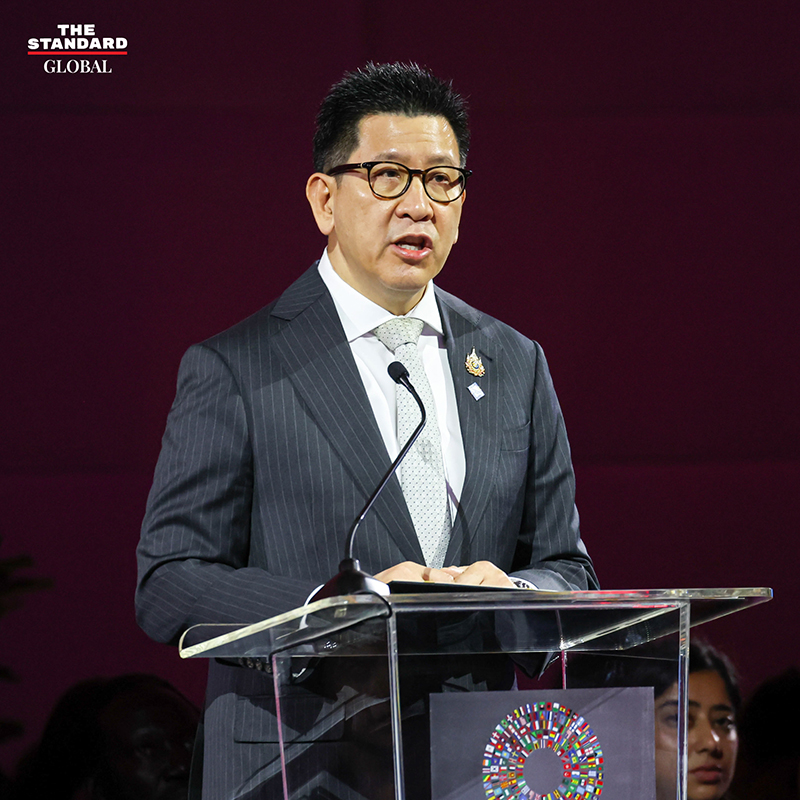
The Finance Minister referenced Thailand’s ‘Skill Bridge’ program, where the government works with investors and educational institutions to provide training in the skills investors need, then connects program graduates with actual jobs. Meanwhile, the government also wants to see investment in computing and cloud to ultimately reduce the cost of using AI for everyone, making the technology more accessible to universities, SMEs, and startups.
“At the heart of all this is empowering the people,” he says. “But we cannot do it alone. I believe the World Bank and other international institutions can come together to share practical lessons so the countries and people can truly benefit from AI.”
From Policy to Practice
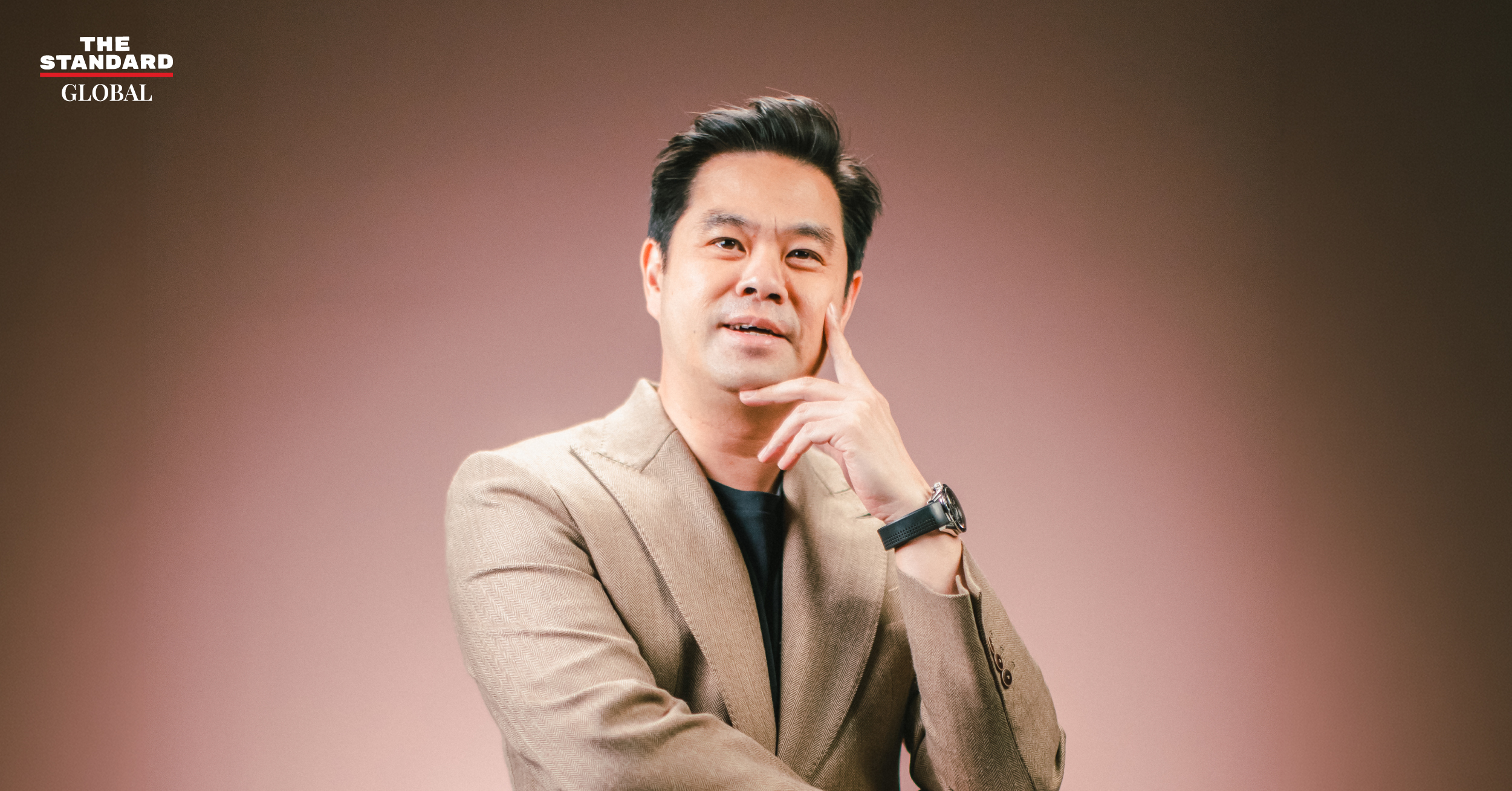
In an interview with THE STANDARD at the IMF-World Bank Meetings, Aukrit Unahalekhaka, Co-Founder and CEO of Thara Green, a climate-tech venture that uses AI to transform agricultural systems into sustainable assets, shared insights into AI’s impact on the labor market.
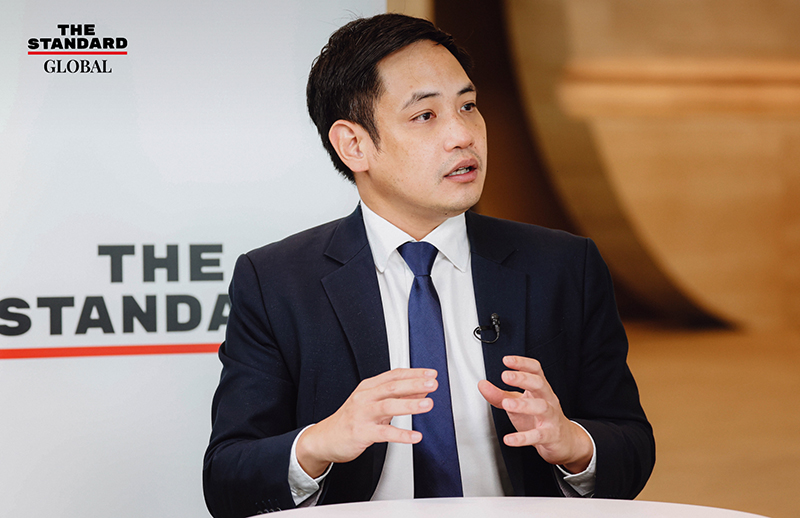
“Looking ahead, future generations will need three skill sets to succeed in the AI era,” said Aukrit. “Creativity, critical thinking, and craft. Craft is what will elevate the experience in sectors such as tourism, wellness, and food, all the things Thailand excels at.”
On the application side, Aukrit shared his on-the-ground experience helping durian farmers use tools like ChatGPT to map out their year and adapt to seasonal changes.
“You can use these tools to ask when’s the best time to spray fertilizer on your durian trees, and to plan long-term. Beyond that, AI can help with branding and social media, and cut down a lot of the paperwork without needing a big team.”
Looking Ahead
AI emerged as the key theme of this year’s IMF-World Bank Annual Meetings in Bangkok, but the conversation around it isn’t limited to technological advancement and LLMs. Panels and keynotes touched on upskilling the workforce, empowering the population, and how governments and the private sector can work together to ensure groups like fresh graduates aren’t left behind. AI advancement has a deeply human element, and as we hear more about human integration and practical insights, governments must help set the direction more than ever.
For the rest of the week, Thailand needs to turn meetings into tangible opportunities and carve out its place in the economic order. As resilience and empowerment become key in an increasingly fragmented world, how can Thailand establish itself as a real player in the global value chain?