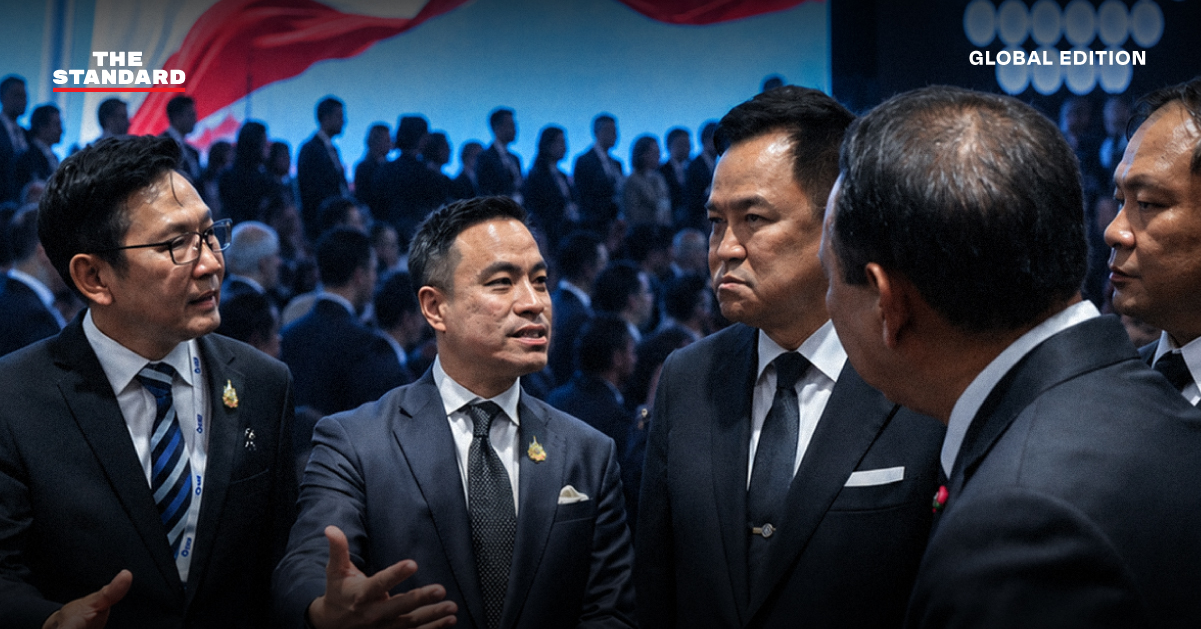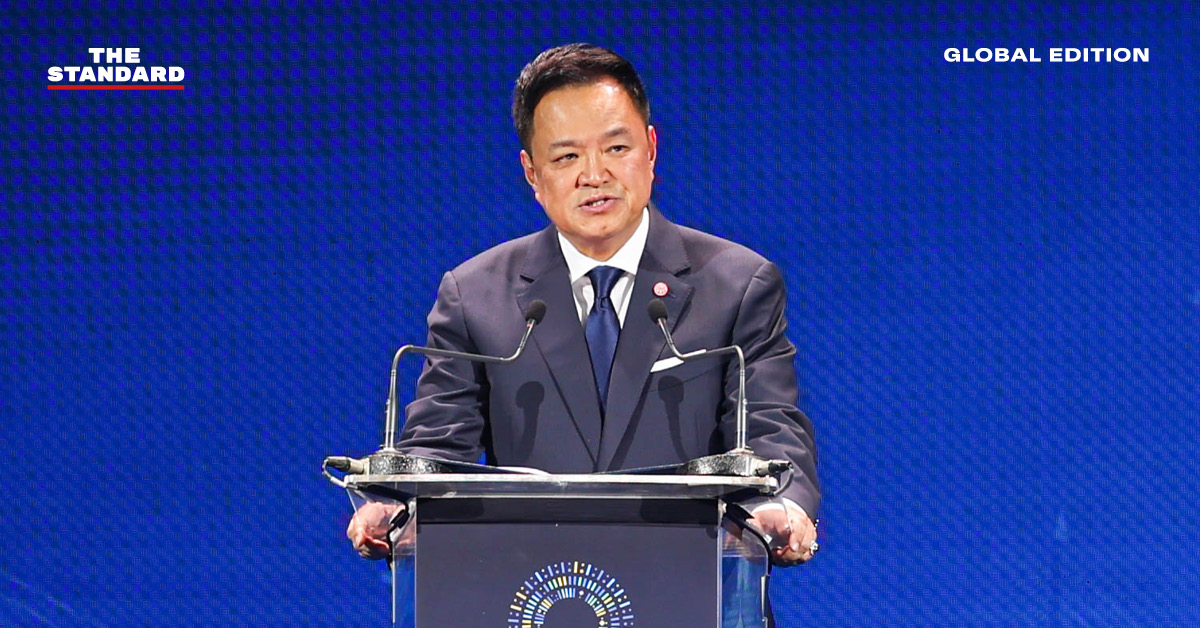
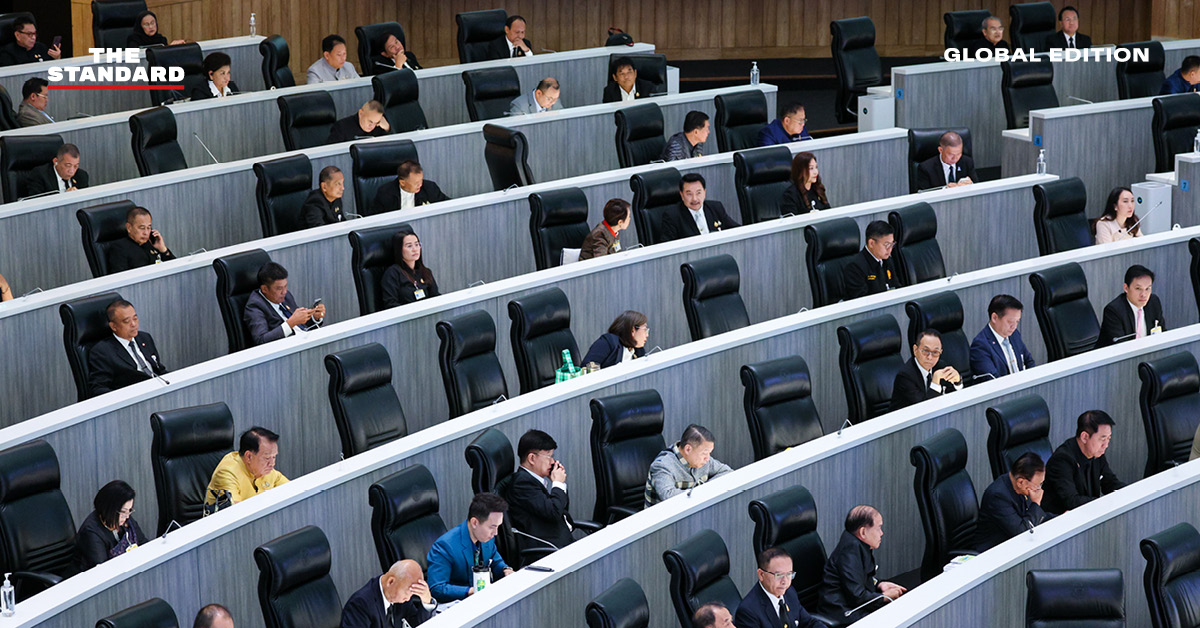
In what appears to be a revealing snapshot of Thailand’s political power structure, the Election Commission’s decision to refer 77 of 229 accused figures to the Supreme Court has left senators and ordinary candidates facing prosecution, while the political executives and party networks tied to the same allegations face no repercussions.
The Election Commission (EC)’s decision earlier this week has sparked public outcry, with netizens and political commentators weighing in.
To fully grasp the controversy’s broader consequences, it’s important to understand the events that predate the EC’s decision. Thailand’s 200-member Senate is chosen through an unusual indirect process in which candidates from 20 occupational groups vote among themselves, with no direct public participation. The 2024 Senate election, held on June 26, 2024, led to allegations that the process was entirely rigged, with coordinated votes and ‘solicited / accepted’ benefits in exchange for backing specific people to fulfill political incentives.
In February 2025, the Department of Special Investigation (DSI) began its probe after complaints from Senate candidates. A special panel was formed and concluded that action should be taken against 138 sitting senators, 21 ministers / MPs / Bhumjaithai Party executives, 20 people in the party’s ‘network,’ and 50 reserve senators / other candidates and 50 reserve candidates, for a total of 229 people.
Fast forward to Monday, September 14, 2026: the EC’s seven commissioners resolved to refer just 77 of the original 229 to the Supreme Court, with no party executives, MPs, or political affiliates named in the outcome. Bhumjaithai, the ruling party led by Prime Minister Anutin Charnvirakul, was closely tied to the initial allegations, yet emerged untouched. That gap raises pointed questions about the EC’s independence and what it reveals about Thailand’s political system at large.
Next, the EC must finalize its decisions within 60 days.
Narong Klanwarin, Chairman of the Election Commission (EC), defended the commission against criticism, saying they reviewed each case individually based on specific allegations and conduct, and uncovered links and financial trails before finalizing the list of individuals. He stressed that having one’s name on a list doesn’t automatically mean the case gets referred to court; there must be other supporting conduct.
In response to the EC’s decision, the Opposition People’s Party said it will pursue formal legal challenges over the decision to target only 26 senators while clearing all accused political figures and Bhumjaithai affiliates. Party leader Natthaphong Ruangpanyawut vowed to push for Senate reform to restructure independent bodies like the EC and make them more accountable.
Key Takeaway
Zoom out, and the Election Commission’s decision to dismiss political figures linked to the case reflects Thailand’s broader structural flaws. The decision has triggered accusations of whitewashing and points to a glaring lack of independence within the EC itself, which is meant to function as a transparent governing body. Beyond this immediate case and its consequences for Thai politics, the ruling has re-emphasized scrutiny of Thailand’s independent bodies and the Senate selection system itself.
Thailand has been ambitious about charting a path towards economic growth and reform, intent on pursuing new, high-growth industries and advocating for rapid digitization through promises of infrastructure overhaul, but high-profile rulings such as this serve as a reminder that the credibility of Thailand’s reform agenda rests as much on institutional integrity as ambitious investment blueprints.
THE STANDARD Global Edition is produced in collaboration with Bitesize Bangkok