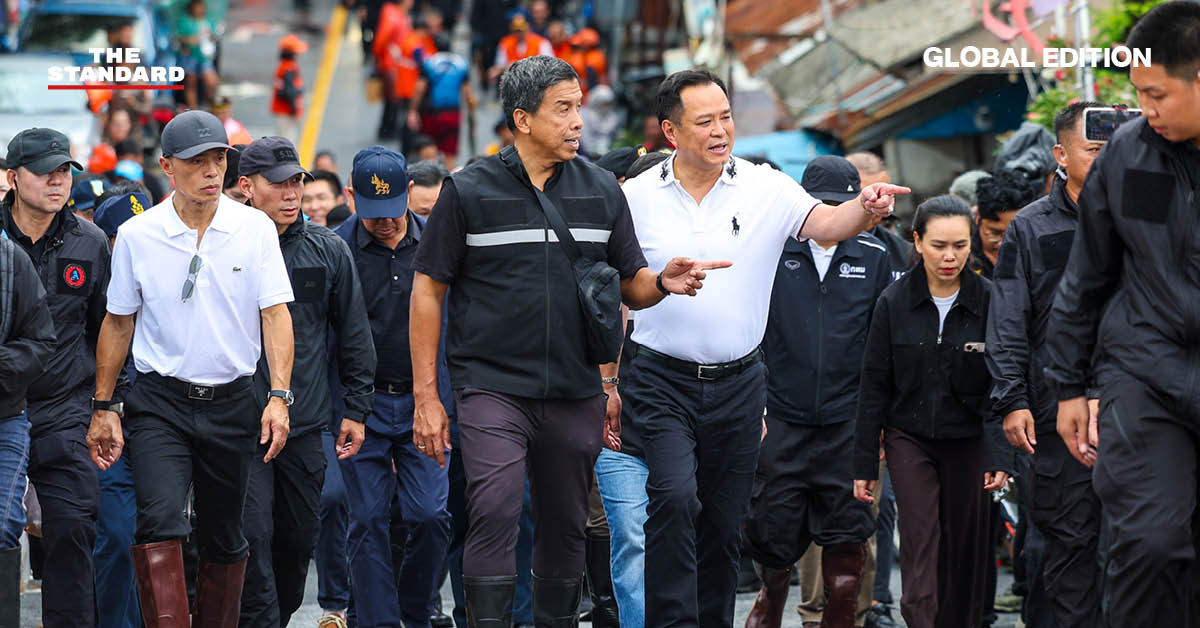
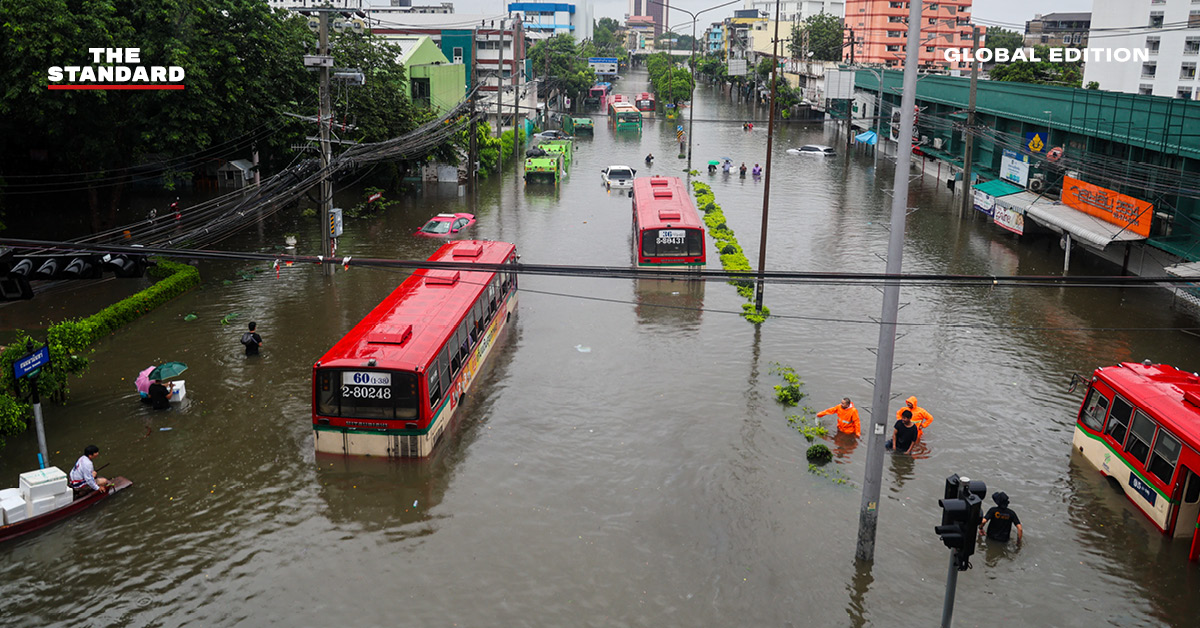
Following days of disruption to livelihoods, homes and businesses due to days of ongoing rainfall and flooding across Bangkok, the University of the Thai Chamber of Commerce (UTCC) estimates that economic losses could amount to 7 billion baht, accounting for 57% of total economic losses nationwide, which are estimated to reach 12.283 billion baht during the September 25-29 period.
Key Point
Bangkok is poised to see the most economic damage due to severe disruptions to commerce, travel, and services. While the UTCC estimates conditions will improve within a week, it will have to reassess whether economic damage will be more significant.
Even without quantifying the economic losses, this week’s floods have exposed significant weaknesses in Bangkok’s infrastructure and highlight various structural reforms needed going forward, particularly as global weather patterns are expected to become more volatile as climate change persists. Efficient government response, communication, and preparedness are crucial, and the public should rightfully demand them.
Going forward, Bangkok will need to continue investing in flood infrastructure, something Governor Chadchart Sittipunt has steadily prioritized since his first term in office, from expanded drainage and pumping capacity to canal maintenance.
With a single five-day flood estimated to cost Bangkok THB 7 billion, flood mitigation is essential for the capital of a country that aims to be high-income by 2037.
Meanwhile, Bangkok’s surrounding provinces face combined losses of about THB 1.84 billion, with the industrial hub of Samut Prakan expected to be hit hardest.
The Importance of Crisis Communications
The UTCC cites consumption, tourism, and services as the hardest-hit areas, putting customer-facing businesses such as hospitality, F&B, and retail on the front line of the losses.
Against the backdrop of Bangkok’s thriving and increasingly global restaurant and food scene, some restaurants find themselves isolated amid the ongoing floods. Located in the heart of the flood-hit Ramkhamhaeng area, two-Michelin-starred institution Baan Tepa announced its closure on Friday afternoon and will remain closed until flood levels drop significantly.
“I started to notice water rising up to my ankles by Friday afternoon, and knew that it would be almost impossible for our guests to brave through traffic,” said Pantila Debhakam, Baan Tepa’s Head of Communications. “I decided to close the restaurant that afternoon, and quickly emailed customers to reschedule or refund their bookings.”
That evening, the kitchen staff still believed the restaurant might be usable the next day and didn’t expect the closure to last more than a day, so they didn’t move any ingredients.
“When things worsened the next day, we quickly went into crisis mode,” said Pantila. “We bought sandbags and water pumps, as Baan Tepa is located in an incredibly vulnerable area.”
The situation here reflects a broader reality in Bangkok: when floods hit, business operators and individuals are largely left to their own devices. Scrambling to procure sandbags, transport them, and manage flooded employee vehicles highlights this reality.
“Ultimately, staff wellbeing has to come first. We quickly sent everyone home as the flooding progressed.”
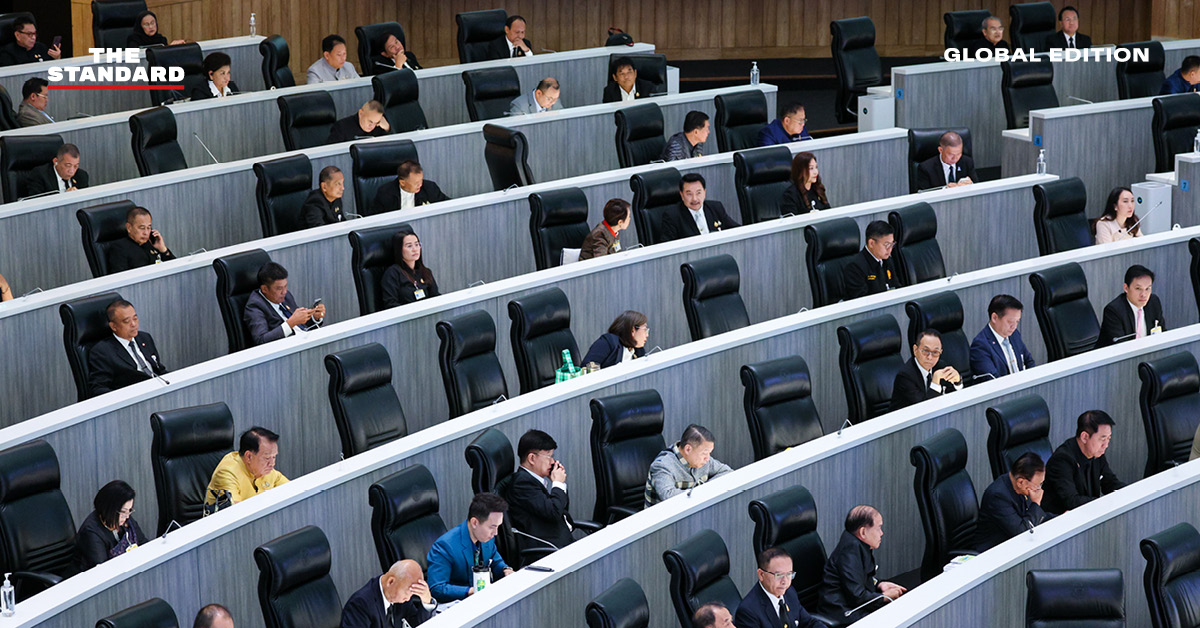
Zooming out, this highlights the importance of immediate, effective communication from relevant government units. With earlier warnings, businesses and communities could be better equipped and prepared.
Communication is often cited as a critical skill for any functioning government, yet it is also one of the things Thai governments are most often criticized for during any crisis.
Beyond Consumption: When Travel Gets Disrupted
As a tourism hub that attracts millions of travelers each year, Bangkok feels the effects quickly when its airport operations are disrupted. Passengers have taken to social media to complain about significant flight delays and missing baggage on Thai Airways services, from domestic travelers arriving in Chiang Mai without their luggage to long delays on international flights from Europe.
Disruptions began on 26 September and continued through the weekend as floods across several areas affected the on-ground handling staff’s ability to travel to work.
In an interview with THE STANDARD WEALTH, Paweena Jariyathitipong, President of Airports of Thailand Plc (AOT), said a severe staff shortage left the airline unable to load and unload baggage in time for scheduled flights. With luggage from earlier flights still being processed as new arrivals kept landing, bags piled up.
AOT is stepping in to help coordinate and has deployed staff from various departments to move luggage, but they can only assist at points designated by Thai Airways, which retains legal responsibility for passengers’ bags.
When a crisis like this occurs, it also highlights the structural risks of relying on a single operator, paving the way for AOT to push ahead with its mission to bring in a third ground-handling provider.
Concentrated Risk: Bangkok as Thailand’s Economic Hub
Scenes across Bangkok’s businesses and restaurants, and at the busy hub of Suvarnabhumi Airport, reflect a critical question raised in the World Bank’s latest report on Thailand: what happens when so much of a nation’s economy depends on a single city?
Of the THB 12.3 billion in estimated losses, Bangkok alone accounts for approximately 57%.
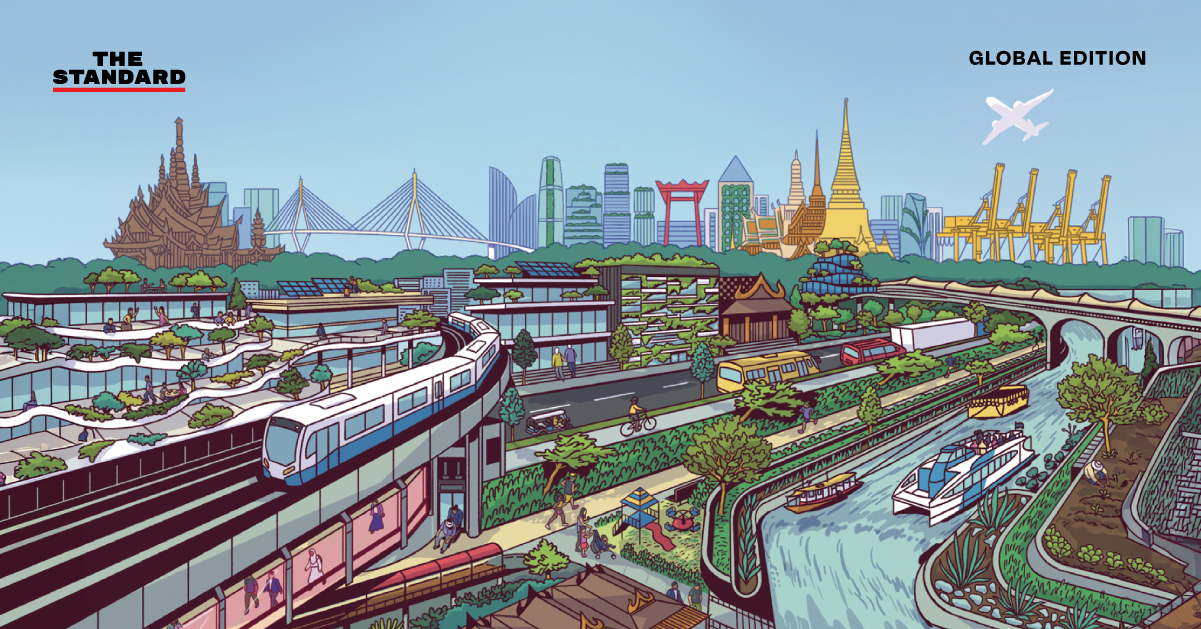
If the government can build up secondary cities such as Khon Kaen and Chiang Mai, boosting both economic activity and productivity, it could reduce the country’s dependence on Bangkok and help cushion the national economy when the capital is hit.
THE STANDARD Global Edition is produced in collaboration with Bitesize Bangkok