As the global energy order faces its sharpest shock in recent memory, industry leaders and policymakers converged in Bangkok this week for Gastech 2026, one of the world’s largest gatherings of the global energy industry to navigate complex realities. From volatile prices to supply chain diversification and new demands created by Artificial Intelligence, conversations reflected an industry seeking to diversify toward renewables, hydrogen, and LNG as bridge fuels.
Key Point
For Thailand, the stakes are high amid shifts in Southeast Asia’s energy landscape and rising power demand, in line with the country’s own energy transition ambitions. Bangkok is also positioning itself not just as a host, but as an active player in the region’s own transition towards more secure and resilient power.
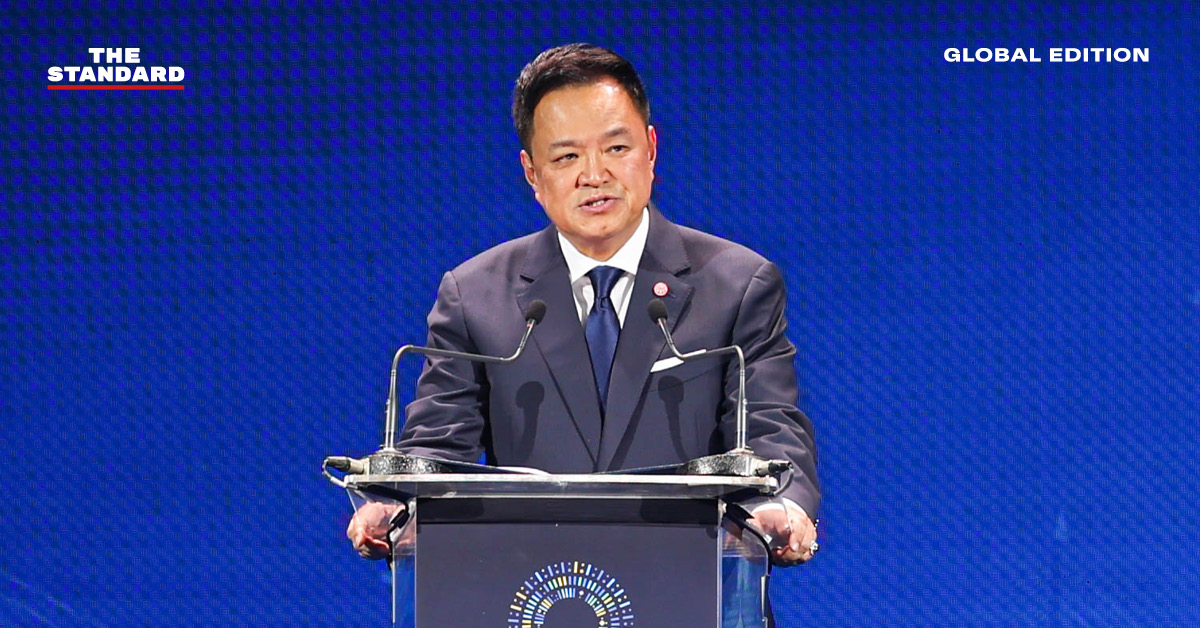
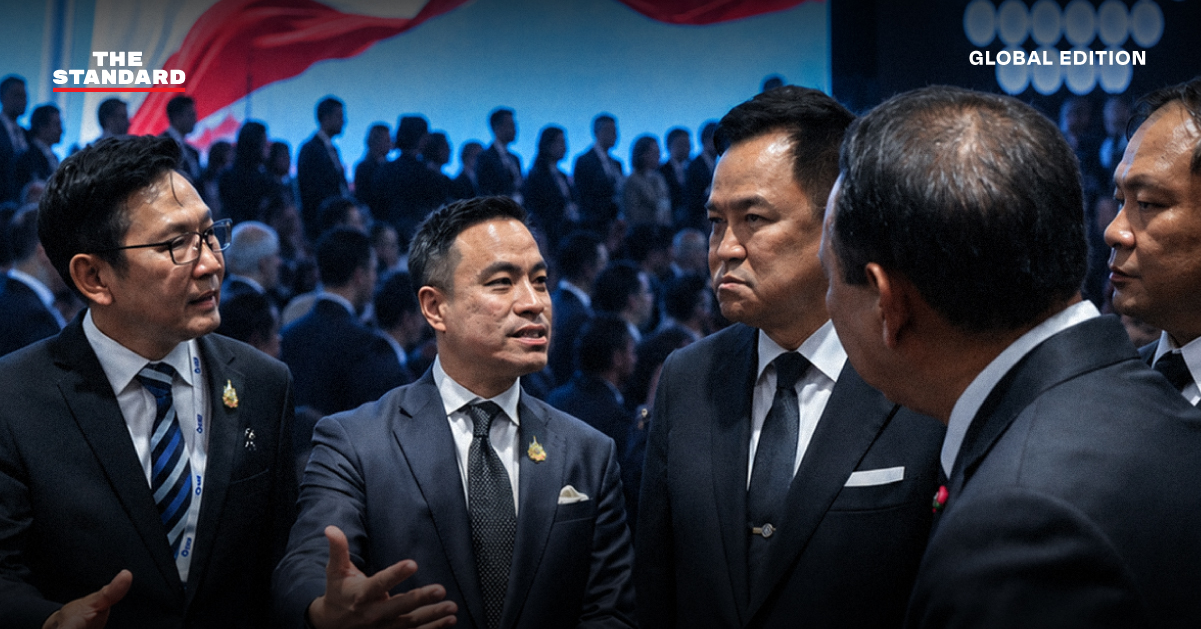
Prime Minister Anutin Outlines Energy Priorities: Price, Reform & Investment
Prime Minister Anutin Charnvirakul’s opening remarks on Monday reflected the volatile backdrop: rising energy consumption straining supply and prices worldwide. He outlined three priorities: energy security and fair prices, accelerating the transition to renewables and storage, and translating policy into investment through clearer regulation and infrastructure. To lower costs for households, the government plans a 50,000 baht-per-household subsidy for solar installation alongside import tax exemptions on components.
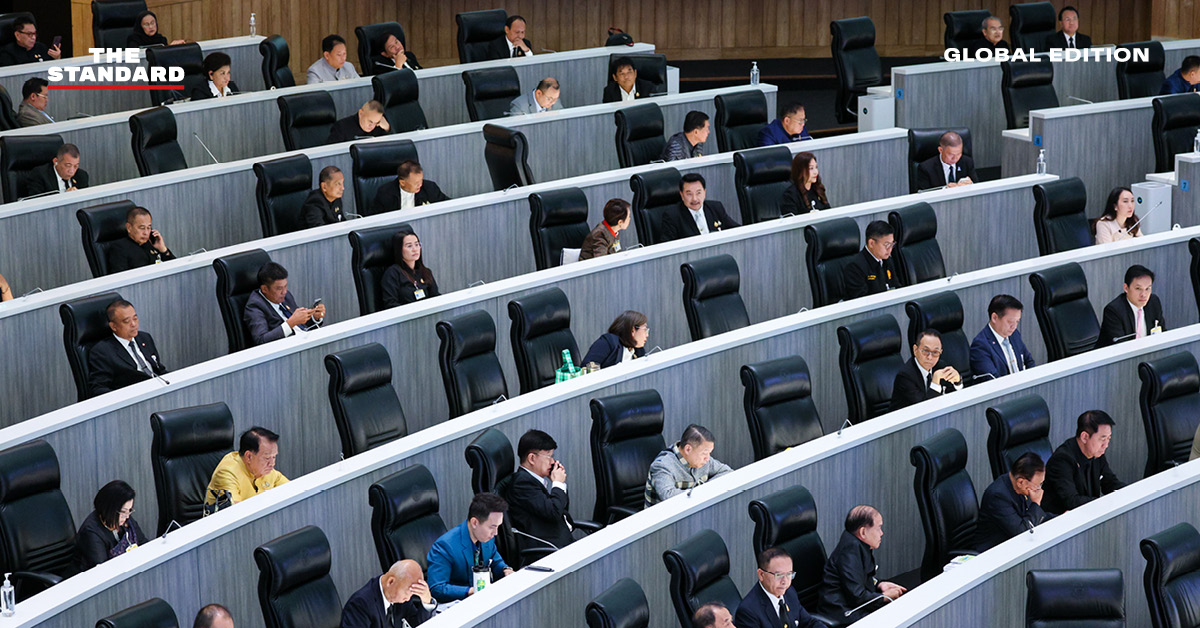
Ultimately, government-led policy will set the pace for Thailand’s broader energy transition.
LNG Emerges as Key to Balancing Supply and Growth
Energy Minister Akanat Promphan has called energy security a top priority for every country, as recent global tensions underscore the need to secure supply at fair prices. Since prices directly affect Thai households’ cost of living, business costs, and national competitiveness, striking a balance between security, sustainability, and price is critical.
Akanat points to natural gas as a pillar of both the energy transition and global energy infrastructure, with LNG central to building a flexible, interconnected system. Thailand is planning to boost its LNG handling capacity by about 40% from the current 19 million to 27 million metric tons per year, a build-out driven by dwindling domestic reserves and growing reliance on imports exposed to geopolitical price swings.
The Energy Minister formally invited international partners to participate in Thailand’s 26th petroleum exploration bidding round, which will unlock over 60,200 square kilometers of high-potential deepwater acreage. The bidding round marks Thailand’s most significant push in years to revive domestic gas exploration, aimed at easing some export dependence.
Affordable LNG supplies will be crucial for Southeast Asian countries, as industrialization will depend on energy generation. For Thailand, LNG volatility will directly impact the country’s energy system.
At the conference, Thailand’s PTT also shared how it is planning to meet growing LNG demand. The company’s Global LNG Trading portfolio handles a trading volume of roughly 3-4 million tonnes per year, not including imports for domestic use. It aims to expand its LNG trading volume alongside leading global partners, pushing it to 10 million tonnes by 2030 and 15 million tonnes by 2035.
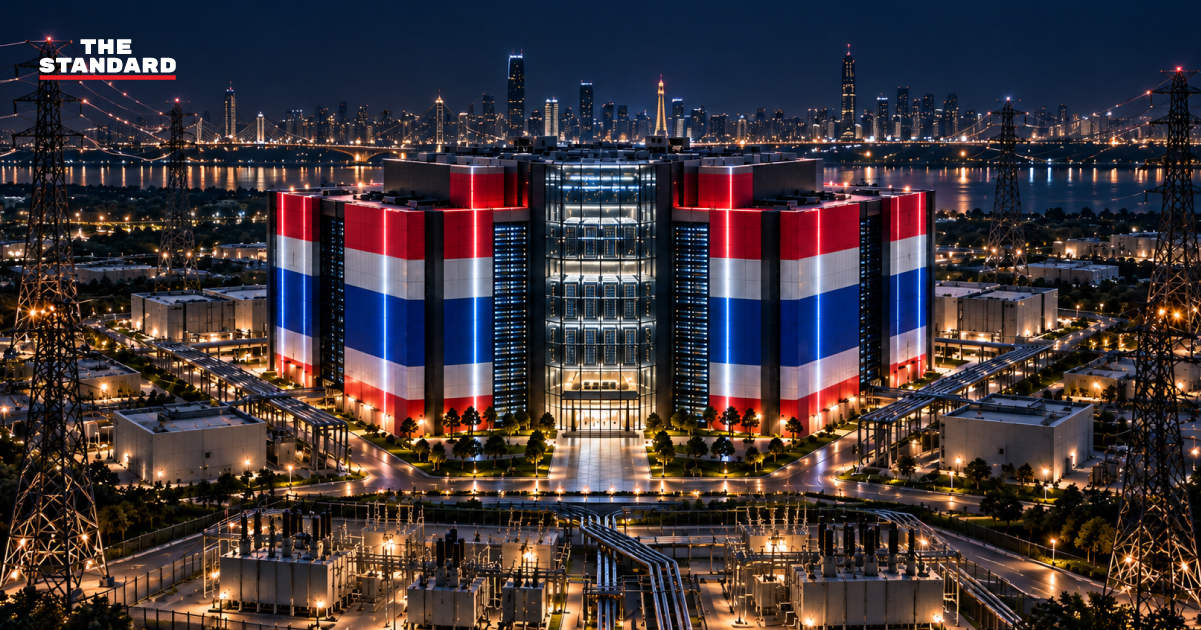
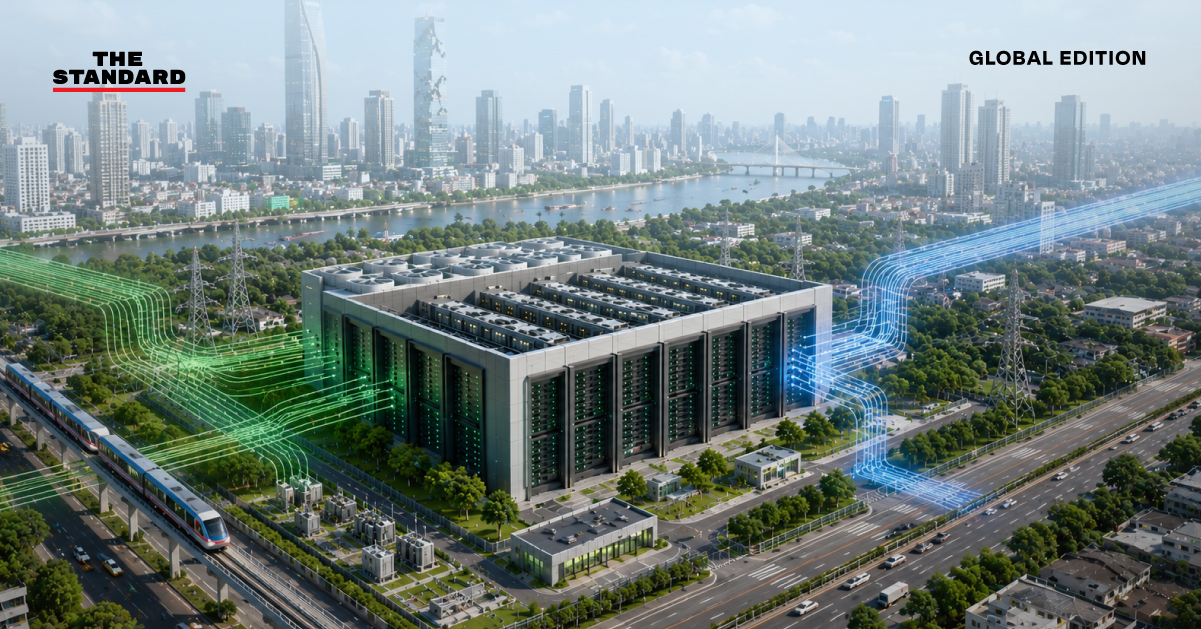
The world is demanding more energy as it urbanizes, air-conditioning demand rises, and large-scale projects such as Data Centers Expand to power Artificial Intelligence growth. Looking ahead, LNG will play a significant role across Asian economies, as countries seek a reliable, lower-emission energy source to fuel industrial and technological advancement ambitions.
Fueling Asia’s Energy Ambitions
The pressing question looming over the conference is Asia’s growing energy appetite. Emerging and developing economies accounted for more than 80% of global energy demand growth in 2024, driven by a global surge in electricity consumption.
Whilst Thailand, along with other Southeast Asian nations, has set 2050 as a target to reach net-zero emissions, this will have to be carefully weighed against its Data Center ambitions, infrastructure projects which will rely heavily on energy and likely fossil fuels.
AI infrastructure and data center ambitions were at the core of the panel titled “AI, Electrification and the Grid Imperative,” with Sinon Vongkusolkit, CEO of Banpu, noting the immense demand for energy needed to serve rapidly growing Data Center demand.
Sinon highlights the importance of U.S. natural gas and advocates a balanced approach to energy, where traditional energy sources provide stability alongside innovation to meet demand.
“The biggest constraint isn’t a lack of capital,” he says, “but physical and regulatory constraints alongside supply chain challenges.”
Building large-scale infrastructure takes time, amid what Sinon calls “the biggest infrastructure buildout in recent history.” As Asia races to stay ahead in the technology race, Data Centers, along with broader industrialization, will demand significant power.
At a separate panel on “Power Bottlenecks,” Issara Niropas, Senior Executive Director, Power Business at Banpu, says that Thailand needs close coordination between Data Center developers, government bodies, and grid system operators in order to align power sourcing, gas supply, zoning requirements, and grid connections.
In agreement, Dr. Minh Khoi Le, Senior Vice President and Head of Data Center & Global Hydrogen Research at Rystad Energy, says the industry’s fast-changing nature means policymakers must keep pace. Its their role to accelerate review and approval processes to keep up with the speed of the industry.
Beyond innovation and capital, the real bottleneck to meeting AI data center demand is reform. Whether regulators, policymakers, and legacy power grids can adapt quickly enough to keep pace will be central to this growth story, and will ultimately determine whether countries like Thailand can capture the long-term opportunities of the digital economy.
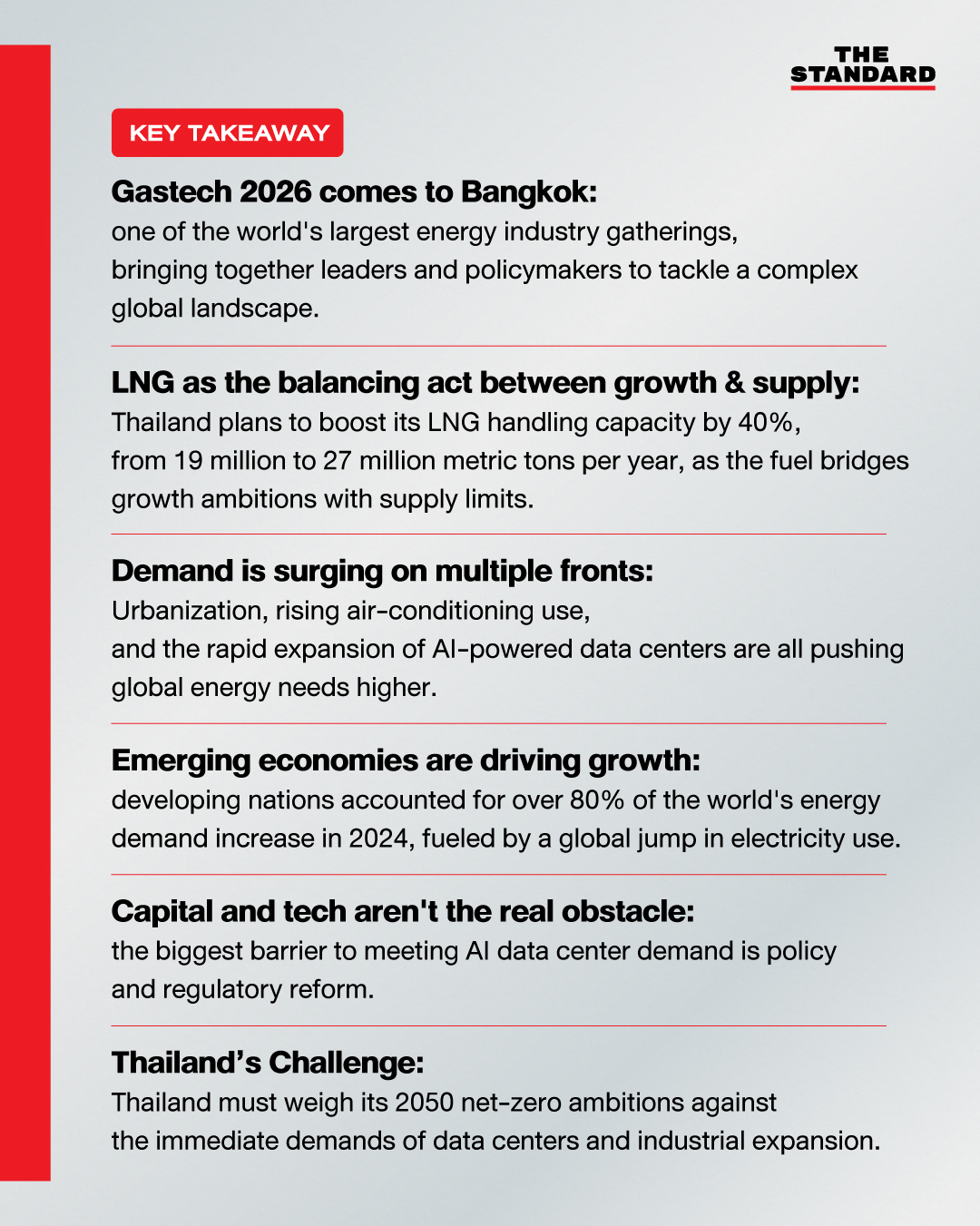
Key Takeaway
Gastech 2026 highlighted a global pivot toward energy transition goals and a shift toward themes such as energy security, diversification, and grid stability, with LNG emerging as a reliable connector between supply and surging power demand. Panels revolved around AI, industrialization, and securing supply to meet surging power demand, especially across developing economies in Asia.
As the host country, Thailand’s energy transition goals will be tested by balancing 2050 net-zero ambitions against the immediate, energy-intensive demands of Data Centers and industrial growth.
Whether the country’s regulators and infrastructure can reform quickly enough to meet that demand, alongside the private sector’s commitment to capture the opportunity, will determine its success in the next decade.
The reality is, geopolitical stability will still determine the trajectory, from LNG prices to supply security, which means global events will still determine Thailand’s energy future.
THE STANDARD Global Edition is produced in collaboration with Bitesize Bangkok