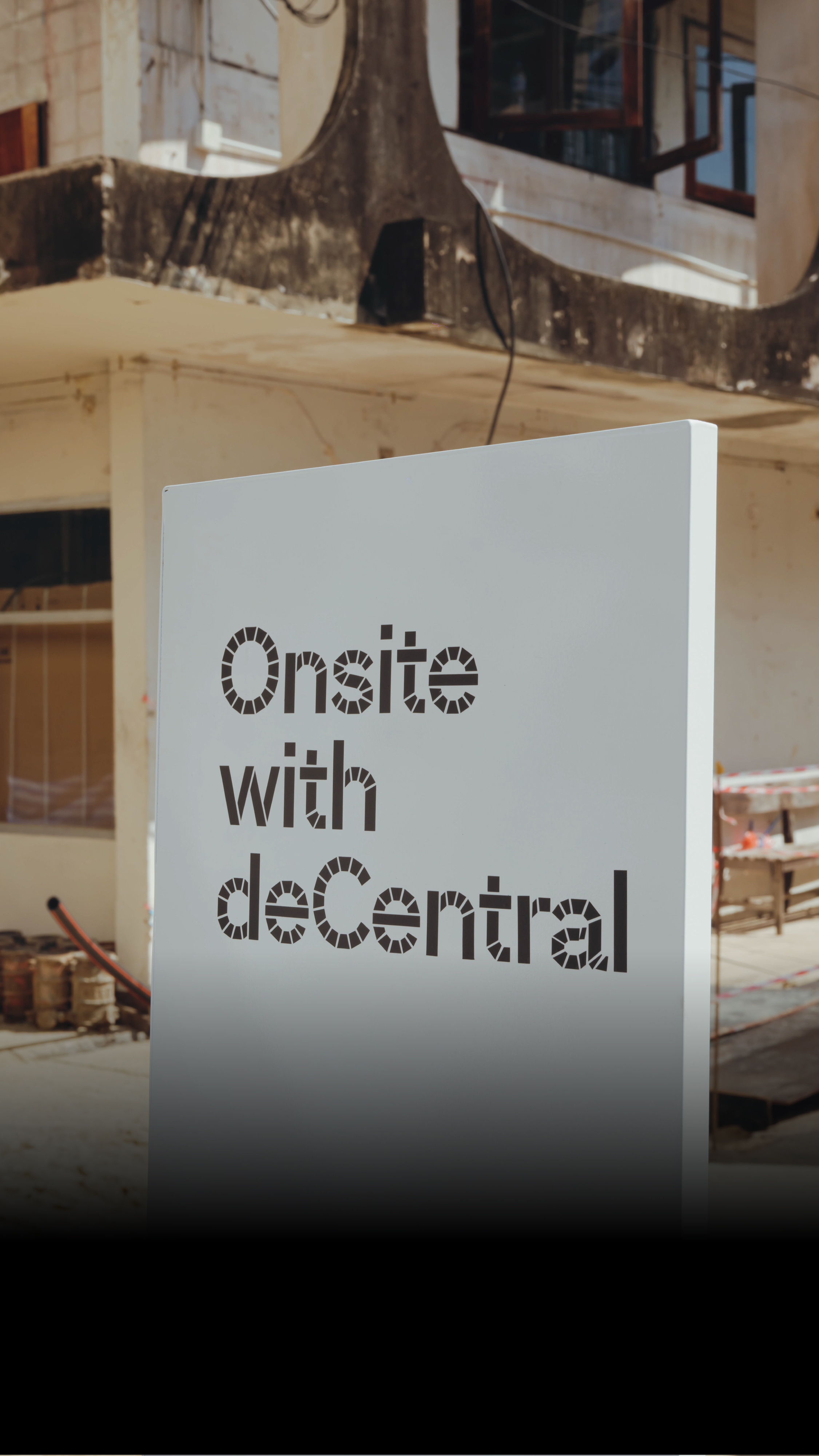

“deCentral is not arriving with all the answers. We are here to listen, to collaborate, and to contribute to Thailand’s artistic ecology,” says Punn Chirakiti, Co-Founder and Co-Executive Director of deCentral, an arts organization poised to launch in Bangkok and Chiang Mai, founded by Central Group.
Key Point
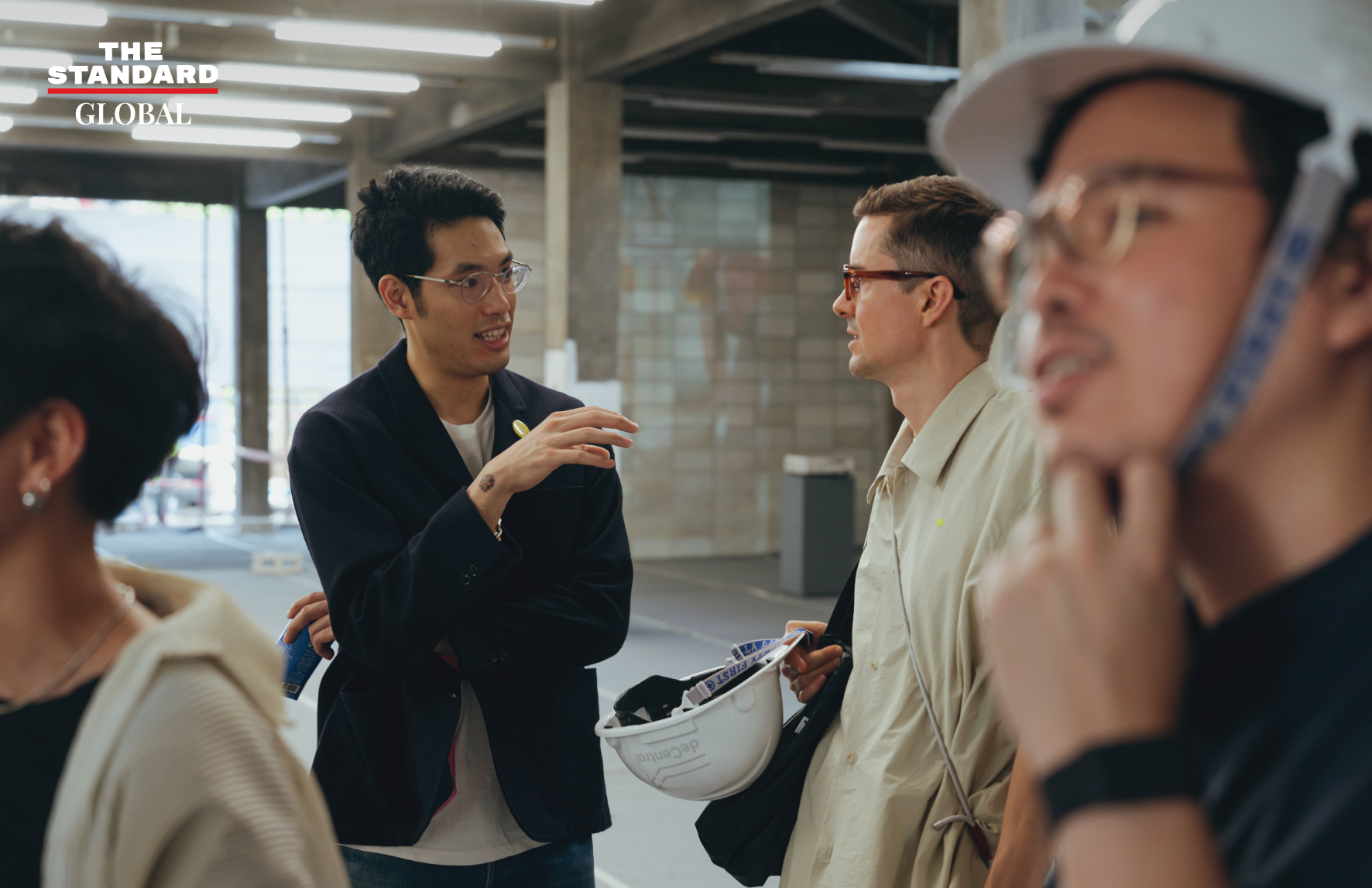
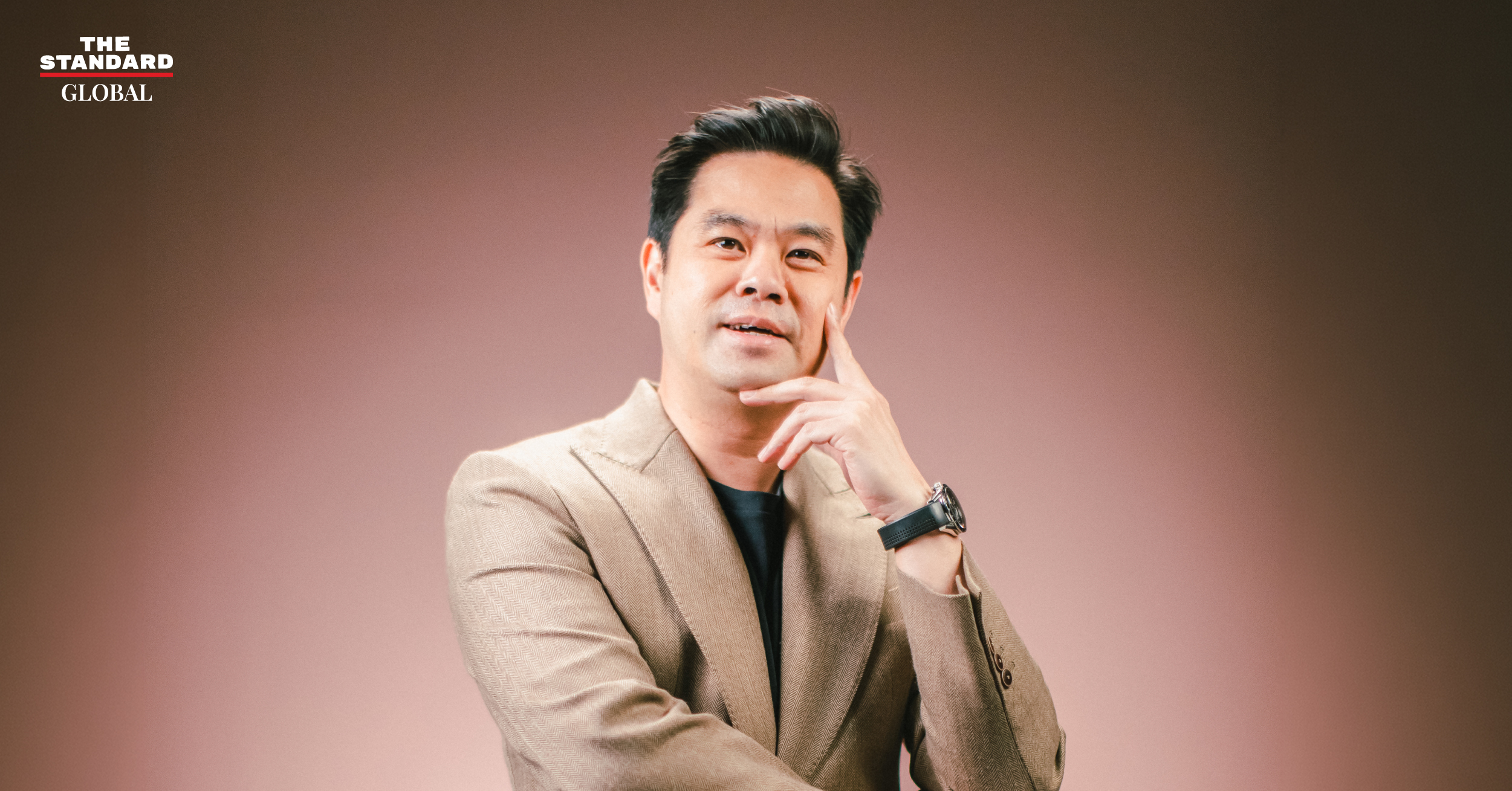
Punn Chirakiti, Co-Founder & Co-Executive Director of deCentral
During an on-location Hard Hat Tour at a former Central garment factory in Pridi Banomyong, now a construction site and a sprawling art space in the making, we walked through the multi-story building, brutalist in its design, and saw how the factory will be reimagined to host exhibitions, workshops, talks, and more to enrich Bangkok’s growing art ecosystem.
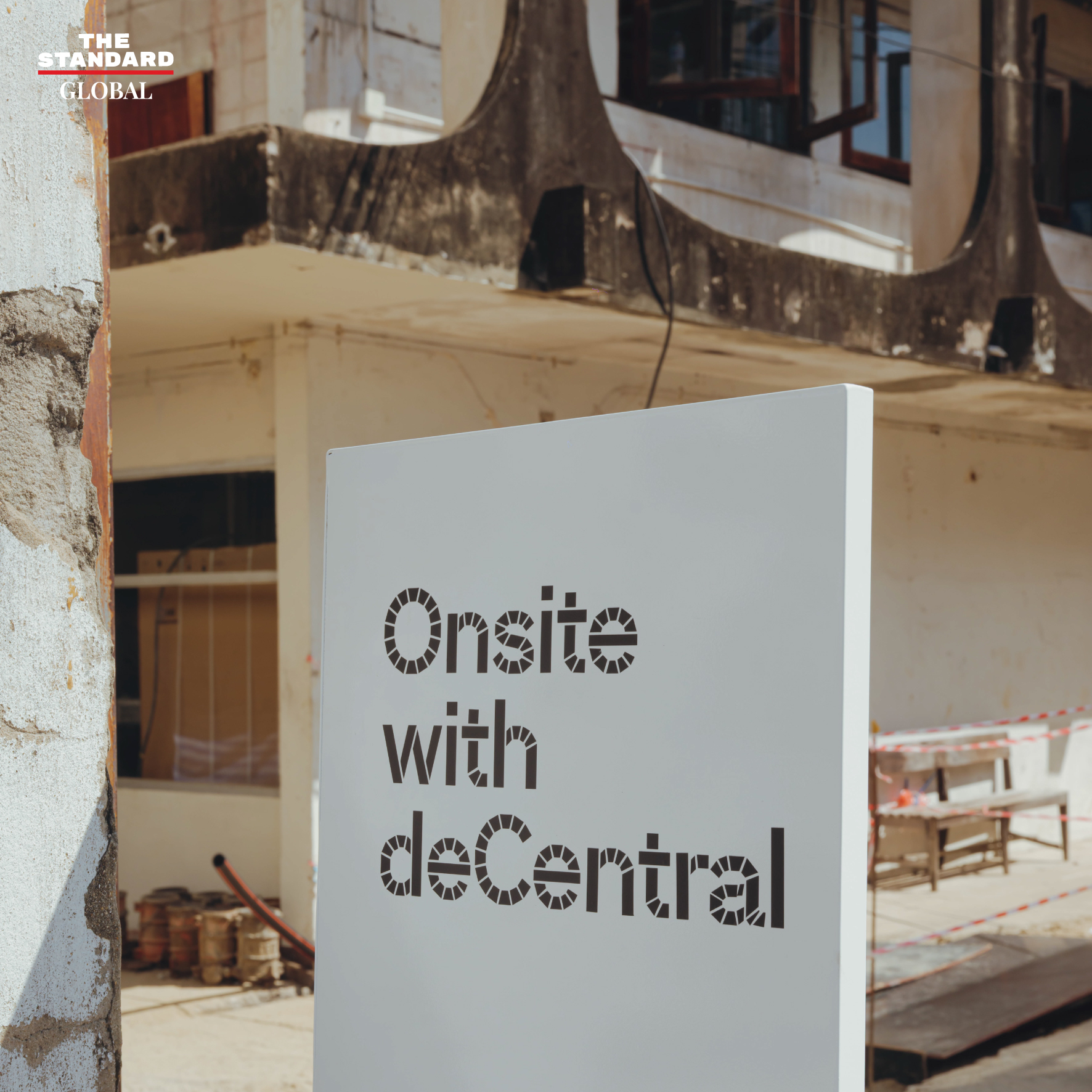
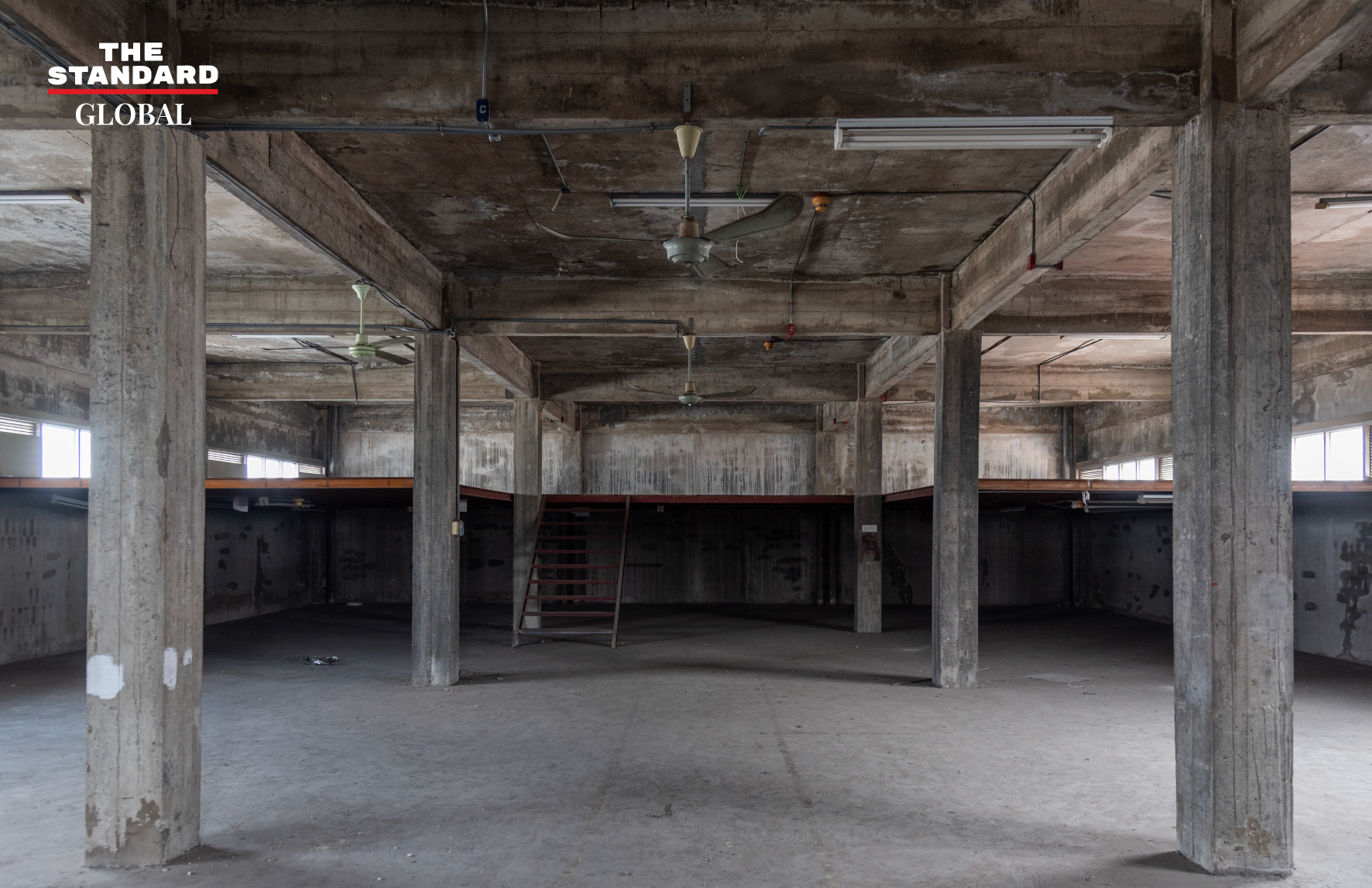
Disregard everything you think an art space should be. The building, built in 1978, has been stripped back to its bones: raw concrete, high ceilings, and open floors. The second floor will stay largely as it is, with railings added for safety. Stickers and signage survive from its days as a factory making denim for brands such as Lee and Wrangler, until it closed in the early 2000s.
Designed by BEAU architects, the space adapts to different uses and experiences. It can host performances and panels, with sightlines connecting the floors above and below, and lets each exhibition choose whether to let daylight in or shut it out. Essentially, the space can be molded into whatever the curator or artist chooses.
From the tour alone, it’s clear that deCentral isn’t looking to simply occupy an art space; it’s eyeing the entire ecosystem. The mission is clear from the name alone, not only a pun on the conglomerate, but also an extension of decentralize, an ecosystem where Thai creatives can flourish.
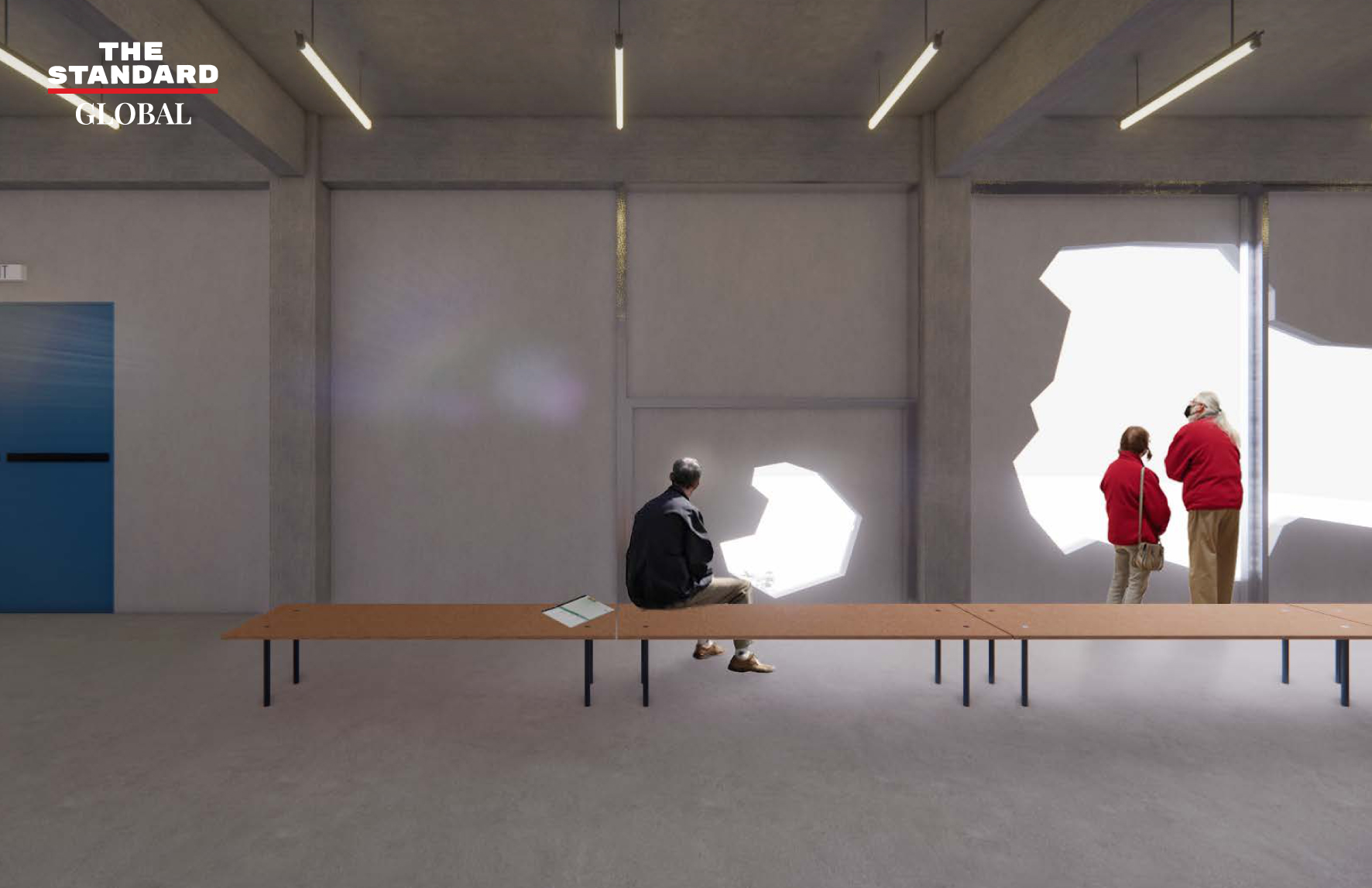
Rendered image of deCentral
“Through exhibitions, commissions, grants, and engagement programs, we really want to push our creative community, from artists and curators to writers and researchers, to be disciplinary in their approach,” says Punn.
deCentral will be guided by the principle of art as another vehicle for knowledge sharing and creation, and this is something that inspired Punn to pursue a career in the arts upon returning from the United States.
“I went to school in the US from the age of eleven,” he says, “and when I came back to Bangkok at 25, I realized I knew nothing about my country’s history or culture. So I started learning through art. I was lucky enough to meet artists and curators who took the time to explain their work and why they chose art as their way of expressing it.
Ultimately, it’s about creating a space or a community for people to learn and understand different perspectives, as everyone’s center is different, and someone’s perspective in Bangkok will be drastically different from someone who grew up in Boston or Narathiwas.
Art Through Community Engagement
Art can be a vehicle for ideas, which is why exhibitions, while not deCentral’s only format, will be one of its main pillars: they are the most accessible way in, and perhaps the easiest to understand.
“Exhibitions are only one outcome of artistic research,” says Artistic Director Zoe Butt. “We want to nurture the conditions for artists and curators to spend time researching, experimenting and developing ideas together.”
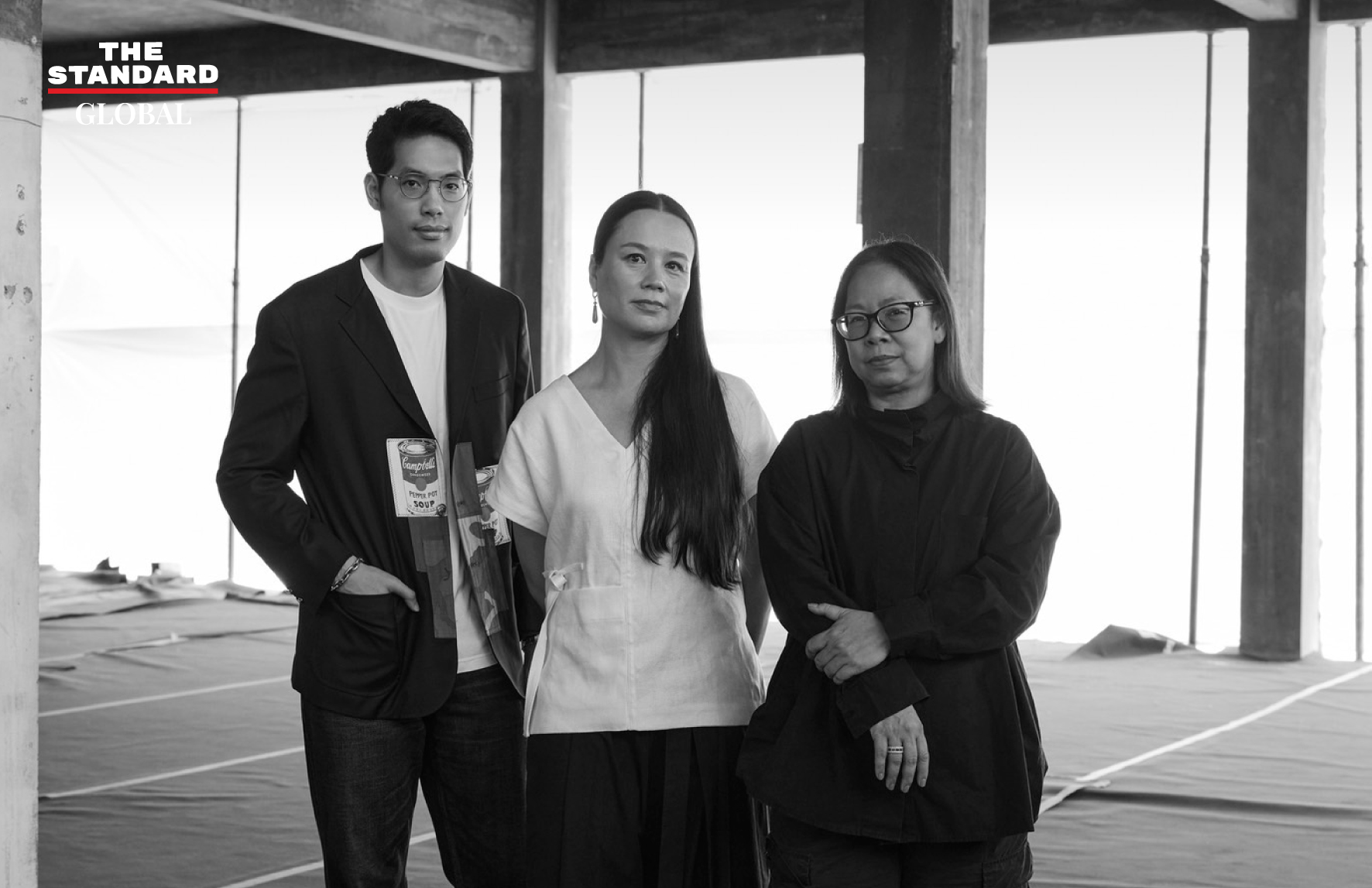
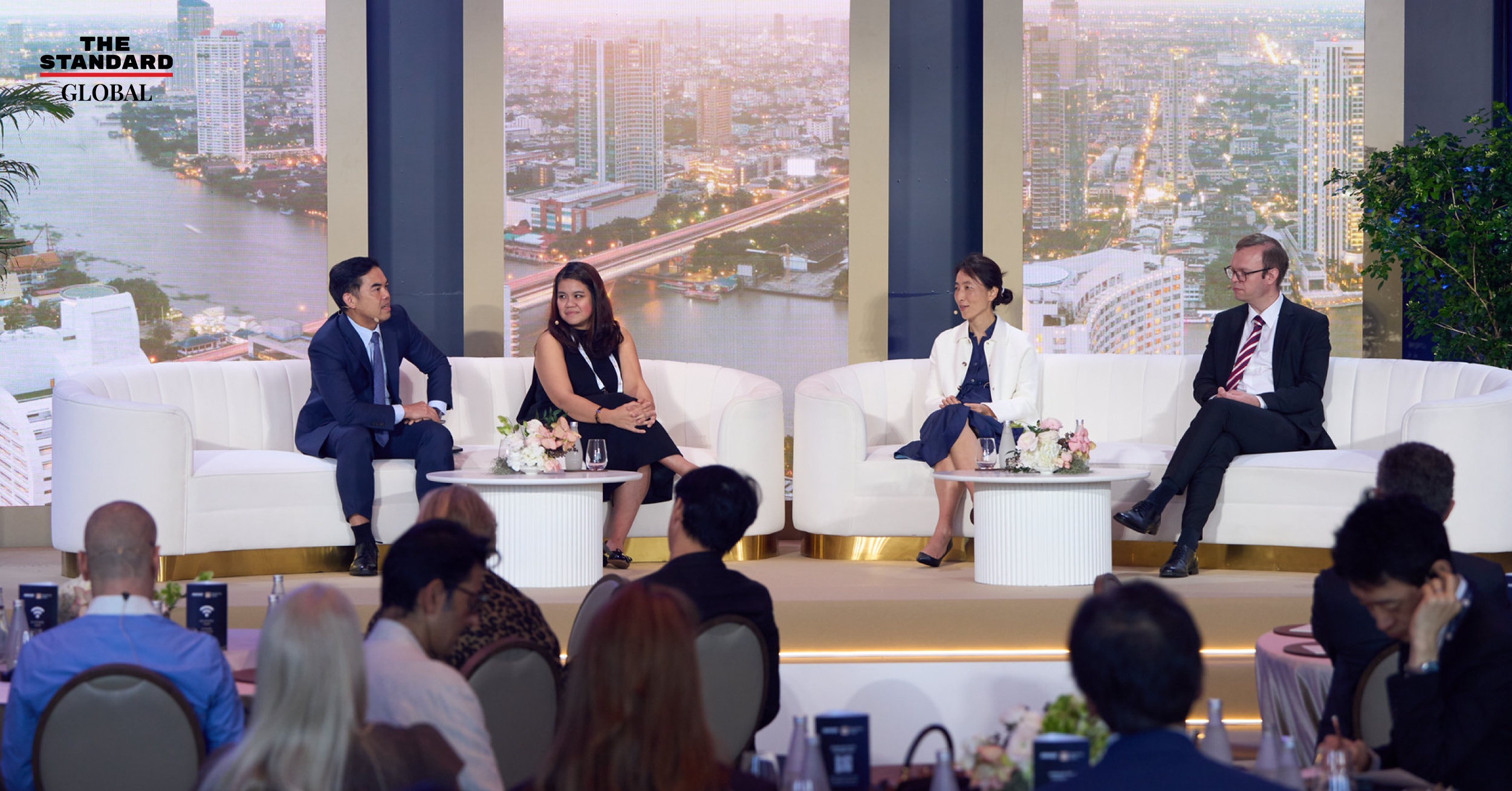
Punn Chirakiti, Zoe Butt, Ormkwan Sanasen
decentral has been years in the making. In the lead-up to its debut, the founding team spent the last year conducting field research across Thailand, meeting with artists, curators, writers, and cultural practitioners to better understand the challenges shaping their practices in contemporary Thailand. The year-long discourse ultimately shaped a core conceptual framework titled “practice, respond, support,” a long-term engagement program in which deCentral will develop initiatives and programs to meet the needs of the artistic community.
Through community enrichment, deCentral has introduced a series of initiatives: Travel Grants for Writers, Practice(s), and Monsoon School.
The Writer’s Grant will fund six Thailand-based writers to spend at least seven days across art scenes outside the capital, and they’ll write about their experiences and discoveries on the road.
By immersing itself in local practices and communities, and in the grassroots ways art is made across Thailand, deCentral aims to support the creative process itself and build stronger connections between artists, curators, and patrons.
“What we hope to contribute through deCentral is a framework of support that goes beyond creating exhibitions, to one that nurtures artistic production, research, critical discourse and opportunities for exchange in the global context. Ultimately, a thriving art scene depends not only on the visibility of its artists, but on the strength of the communities and structures that support them,” says Punn.
Opening Exhibition: Carried Forward
To mark its 2027 debut, deCentral will present Carried Forward, the inaugural chapter of คาด (Khâat): Binding, Tracing, Fabulating, a year-long curatorial program that will unfold across three exhibitions, alongside symposia and performances developed in partnership with KADIST, an international non-profit contemporary art organization.
The program borrows its title from the Thai word khâat, carrying a double meaning: to speculate, estimate, or anticipate; and to fasten, bind, or drape across time.
The program will bring together artists and thinkers from Thailand and across Southeast Asia, alongside works from KADIST’s international collection. Across moving image, installation, sculpture, painting, and research-based work, the exhibition will explore how history persists as structure and how forms of knowledge might open onto other ways of imagining the world.
It’s an ambitious undertaking, and deCentral aims to contribute to Thailand’s artistic ecology while creating opportunities for Thailand’s creative community to gain an international perspective through grants and commissions. This way, artists and writers can pursue research and creative projects without monetary and resource constraints, enabling them to focus on the creation process.
Thailand’s Growing Art Scene
The timing is perfect. The fifth Bangkok Art Biennale opened on 29 October and runs until 28 February 2027, bringing 72 artists and collectives to museums, malls, riverside spaces, and some of the city’s most revered temples, including Wat Arun and Wat Pho. This year’s theme, Angels & Mara, plays on Bangkok’s Thai name, Krung Thep, the “City of Angels”. It sets that against Mara, the Buddhist figure of temptation, desire and fear, and explores the pull between virtue and corruption, the divine and the.
“ In recent years, we’ve seen the emergence of new galleries, institutions and independent initiatives, each contributing something different to a growing cultural landscape. Yet we’re still in the early stages of building a more interconnected and sustainable infrastructure around the artistic ecosystem,” says Pilomrat Isvarphornchai, Founder and Director of ISV Communications, an arts- and creatives-focused communications consultancy.
“What makes Thailand particularly compelling is its inherent contrasts, where tradition meets modernity, spirituality coexists with commerce, and high and low culture intersect in unexpected ways.”
As Thailand carves out a place at the center of Southeast Asia’s art scene, deCentral’s debut will be a welcome addition, and a showcase of how patronage can help build an art ecosystem from the ground up.
deCentral is scheduled to open in Q2 2027, with further artist commissions and program announcements to be revealed in the lead-up to the opening.
[PR NEWS]