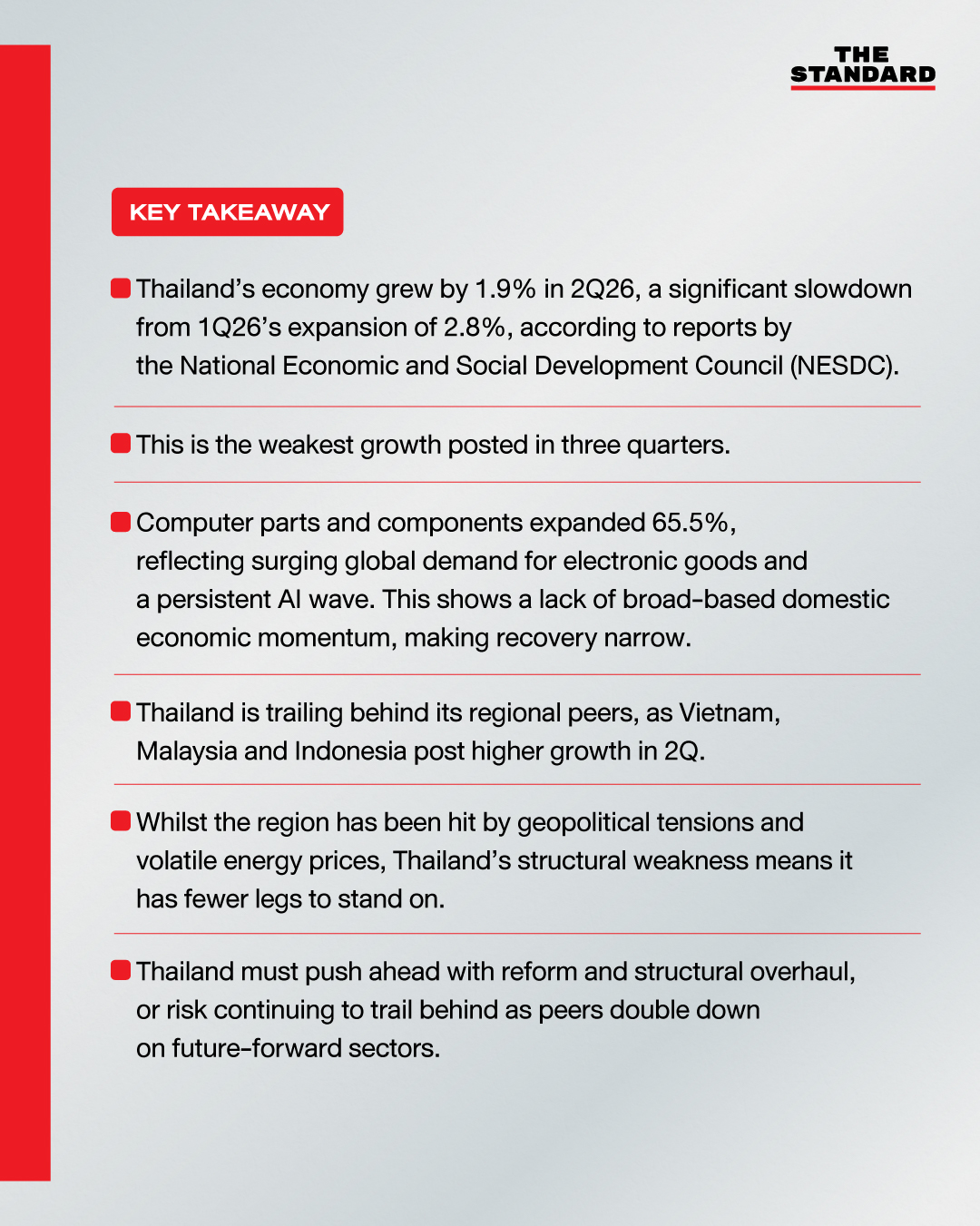

Thailand’s economy grew by 1.9% in 2Q26, a significant slowdown from 1Q26’s expansion of 2.8%, according to reports by the National Economic and Social Development Council (NESDC). This is the weakest growth in three consecutive quarters, and there is an underlying story here.
Key Point
Thailand’s lagging growth should be read within the regional context, especially as Southeast Asian countries are not growing at a uniform pace. While Thailand’s 1.9% may appear defensible against a global economic slowdown, the country’s shortfall against regional peers suggests something more deeply structural.
Thailand has been through cycles of limited growth, and whilst external factors such as geopolitical conflict and the ongoing energy crisis may exacerbate the challenges, the pattern of contraction predates this quarter. Thailand has struggled with growth and trended below its potential for years, driven by long-standing political turmoil, corruption, and over-reliance on traditional industries now ripe for disruption and fierce competition.
The country’s dependence on sectors such as old-world manufacturing and tourism means that external shocks seep directly into domestic challenges. Thailand’s structure means energy-price spikes, tariff challenges, and a global tourism slowdown hit us harder than peers with diversified growth engines.
Thailand’s 2Q Tells an Uneven Growth Story
If we break down each component of the second-quarter economic picture, it becomes clearer: Thailand’s economy was propped up by private-sector investment in machinery, equipment, and vehicles.
Here’s the full picture: private investments expanded 13.4%, up from 10% in 1Q. Exports grew 17.6%, fueled by a surge in demand for high-tech and electronics goods. Meanwhile, computer parts and components expanded 65.5%, reflecting surging global demand for electronic goods and a persistent AI wave. However, it also shows a lack of broad-based domestic economic momentum, making recovery rather narrow. High demand for electronic parts and a high export figure point to limited local economic activity, as Thailand primarily handles assembly without absorbing much of the post-assembly demand.
This is where the export-and-import distinction comes through. Import value grew by 42.3%, pushing Thailand’s current account back into a deficit equivalent to 12% of total GDP, meaning exports are outpacing what the country is bringing in, such as electronic parts.
Public consumption growth is declining, settling at 1.9% this quarter. Meanwhile, as of March, public debt stood at 66.9% of GDP.
Zooming out, it paints a clear picture of uneven economic growth propped up by private consumption and high demand for electronic parts alongside high export figures, pointing to limited domestic value capture, which means Thailand isn’t meaningfully a part of the global AI supply chain. Across the board, Thai households are struggling, with domestic demand sluggish and household debt remaining high.
Thailand’s Neighbors Are Pushing Further Ahead
Thailand is finding it difficult to shake off its Sick Man of Asia label, especially when we compare the 1.9% 2Q figure with neighbors such as Vietnam (+8.4), Malaysia (+6%) and Indonesia (+5.3%).
What does this tell us about Thailand’s trajectory? The main challenge is that even if Thailand beats its own forecast, it’s still trailing behind more competitive peers, countries that have spent time and resources building out attractive future-forward industries, updated regulations, or simply upskilled their industry workers.
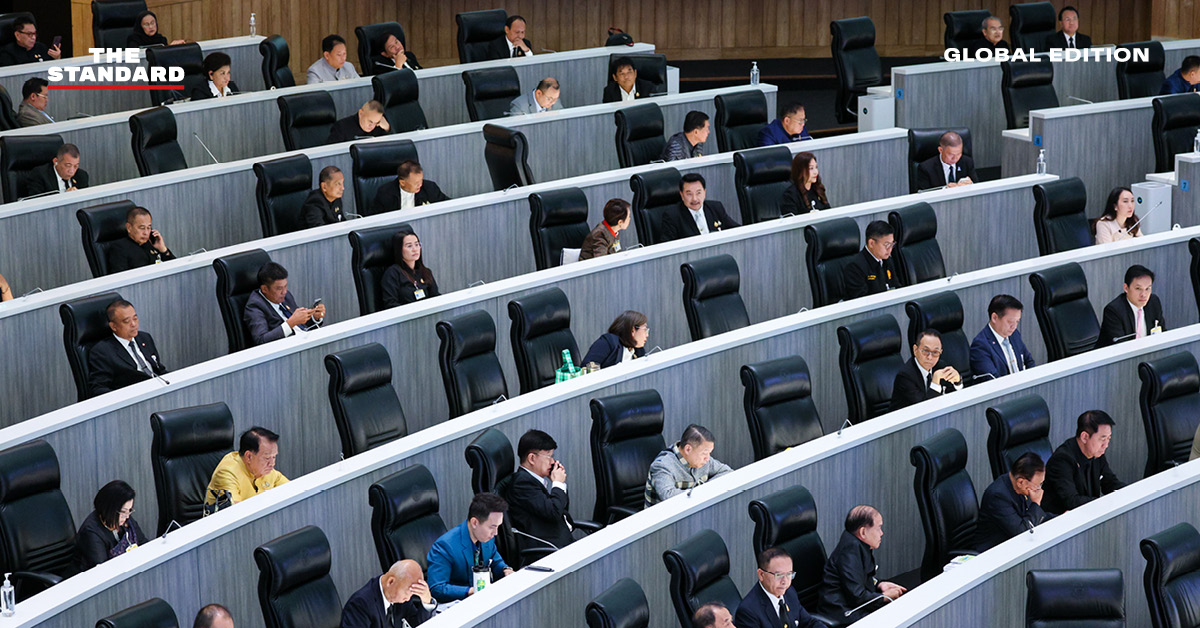
The government can no longer afford to waste time debating reforms or regulatory overhauls, as policy implementation must happen swiftly, with increased public investment and an achievable blueprint, while navigating complex geopolitical landscapes.
While countries in the region continue to build resilience, Thailand finds itself between a rock and a hard place, vowing to remain neutral in a landscape that will increasingly demand more than bamboo diplomacy.
There are lessons to be learned from Vietnam and Malaysia, as both countries sit higher in the electronics and semiconductor value chain, making them greater beneficiaries of diversification away from China. Meanwhile, Thailand’s top government figures are still publicly downplaying the need to choose sides between superpowers, and insisting that Thailand should focus on being technologically self-reliant.
No tangible blueprint has been put in place that indicates Thailand is anywhere close to that goal.
Vietnam is doubling down on manufacturing and leveraging the relocation out of China, and Indonesia is doubling down on commodities, leaving Thailand’s narrow growth vulnerable to external shocks and even domestic slowdown.
Looking Ahead: Thailand’s Slowdown is a Pattern
Although parts of Thailand’s economic slowdown can be attributed to external shocks, these stressors are compounded by already shaky ground and a structural overhaul waiting to happen.
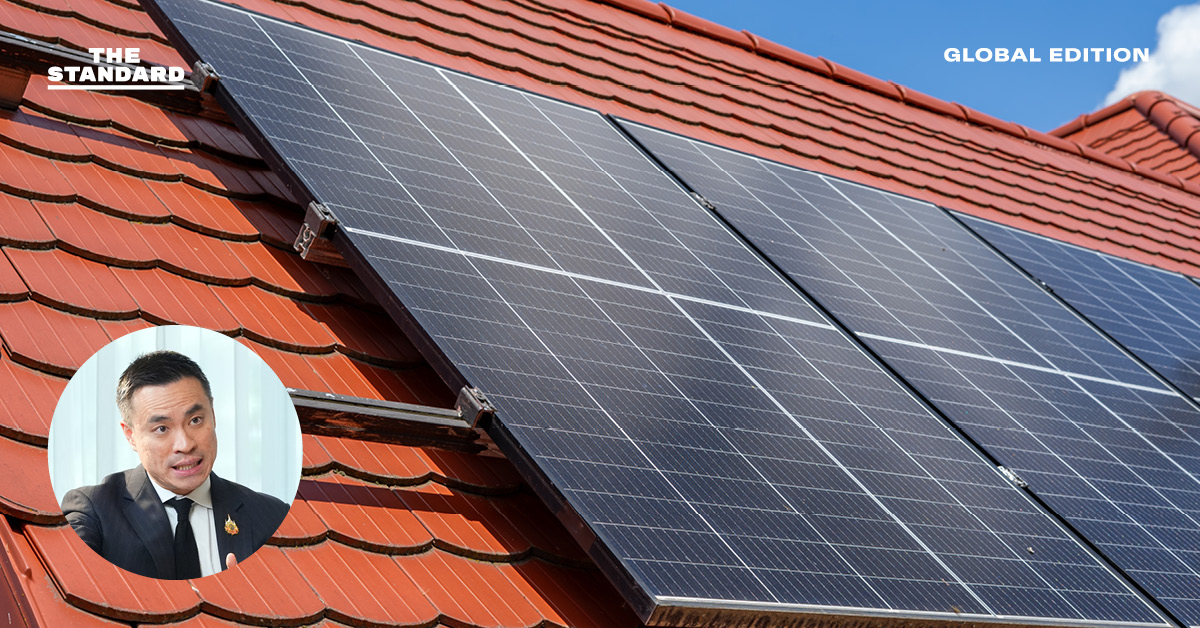
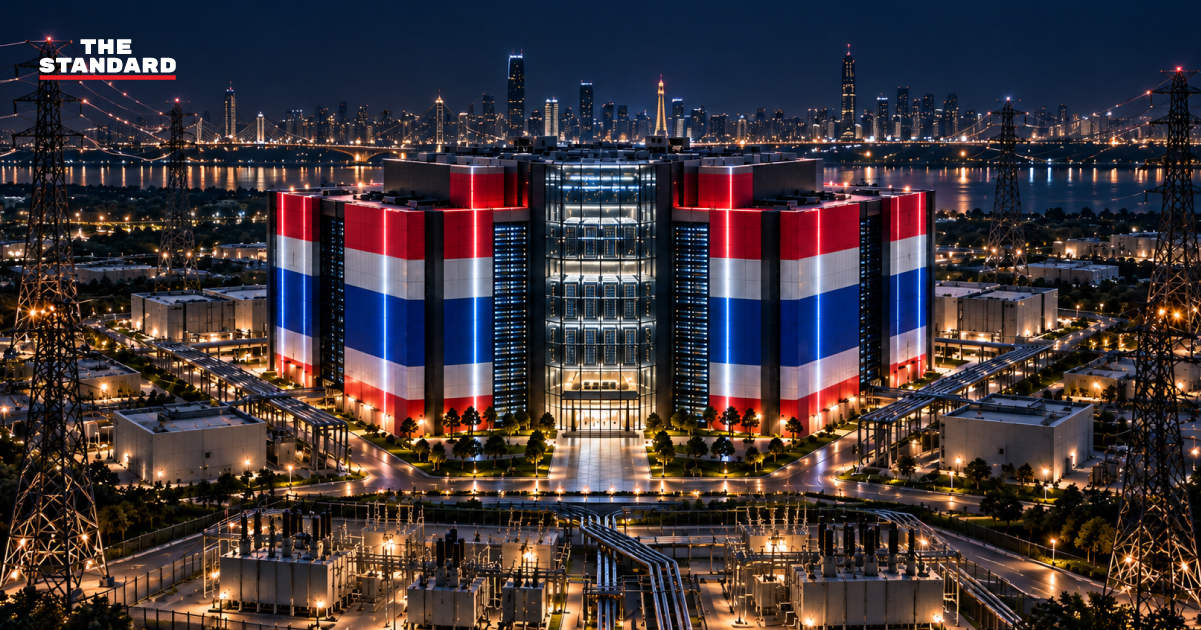
Although the government has made commitments to reform, such as the controversial THB 400 billion emergency loan decree that promises to mix short-term stimulus with meaningful energy reform, and investments in areas such as data centers, this doesn’t begin to touch on the many regulations, industries, and upskilling that need to be carried out from a macro point of view.
The remainder of 2026’s economic performance hinges on factors largely beyond Thailand’s control, from the Middle East energy pressure to tariffs from the United States, which could impact exports. However, this should not mean Thailand remains complacent or dismisses weaker growth as an uncontrollable force.
Growth of 1.9% may have beaten certain expectations, but it is not indicative of a turnaround, and no amount of window dressing can hide the significant challenges at hand if Thailand wishes to catch up to its regional neighbors.
THE STANDARD Global Edition is produced in collaboration with Bitesize Bangkok