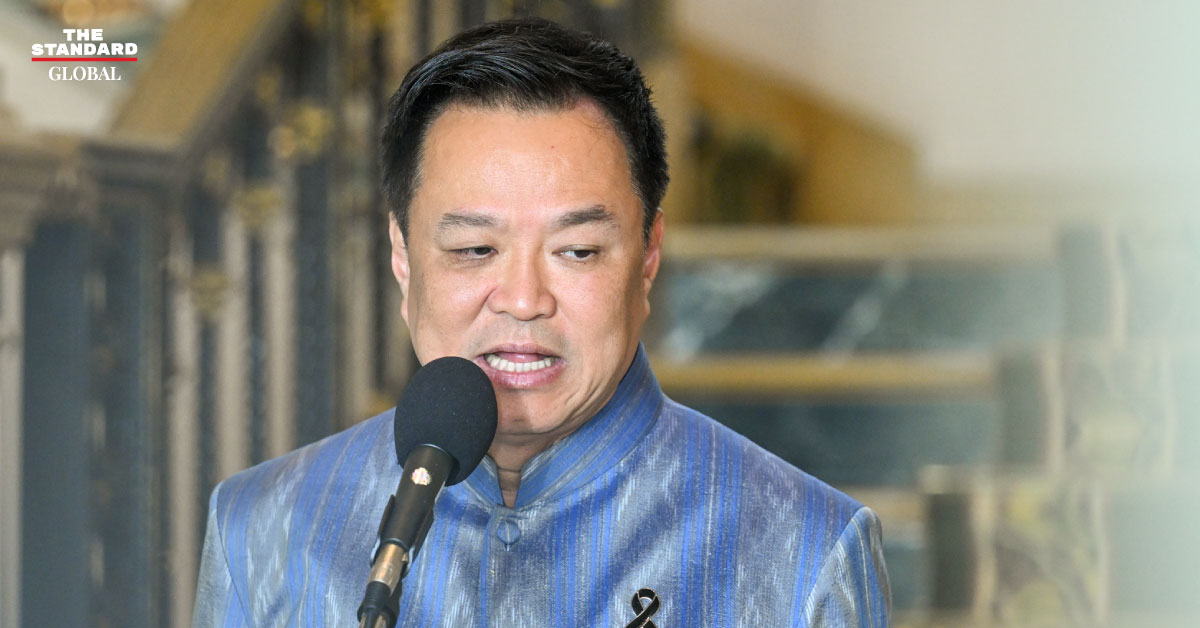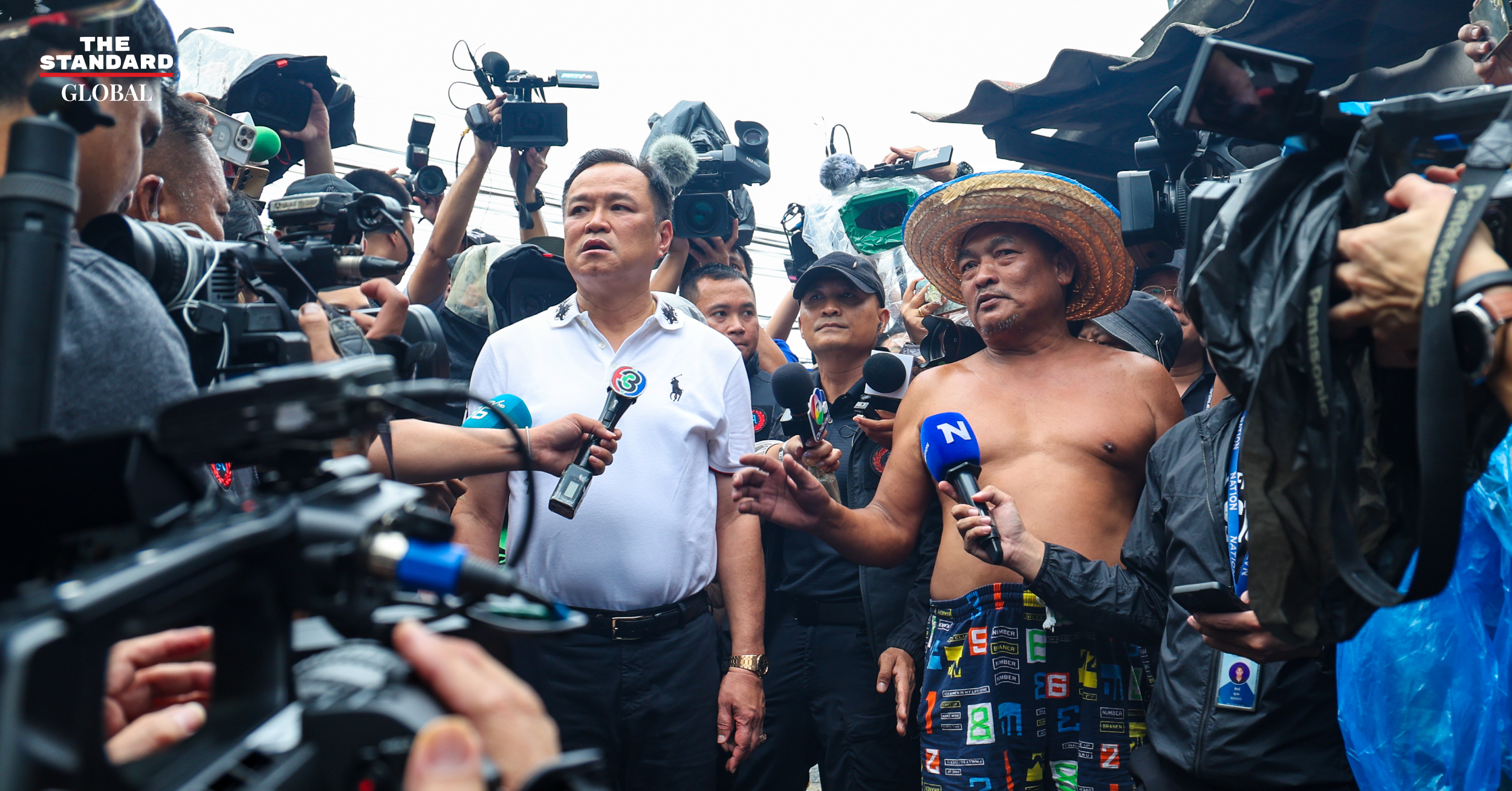


The Central Investigation Bureau (CIB) joined forces with the SEC and the Anti-Money Laundering Office (AMLO) on 27 October to update the ongoing investigation and operation to dismantle a global money-laundering network, with links to Ben Smith (also known as Benjamin Mauerberger) and Cambodian national Yim Leak.
The vast global network hid money through multiple complex layers of foreign banks and funds, before converting it into large-cap shares on the Thai stock exchange. The companies include Bangchak, VGI and MFC Asset Management. Following the headlines, shares of all three companies fell by 1.44 percent to 11 percent. Authorities have since seized shares worth about 14.8 billion baht across the companies.
Although this investigation has circulated widely in mainstream media for over a year, today’s press conference revealed the global money trail, the structure of the nominee network, and the names of the large-cap stocks on the Thai Stock Exchange used as money-laundering tools. Authorities said the listed companies themselves are not under investigation and will operate normally, with trading unaffected.
Connecting The Dots
Benjamin Mauerberger’s connection to the money-laundering network spans years of complex holdings, Thai connections, and various accounts of seized assets. To understand today’s press conference and findings, it’s important to understand the context, the money trail, and how Thailand’s political elites fit into the wider story.
The case has been building for more than a year. It began in September 2025, when investigative journalist Tom Wright reported on Benjamin Mauerberger, also known as “Ben Smith”, and his ties to Cambodian businessman Yim Leak, along with the alleged financial and political connections around them. Days later, People’s Party MP Rangsiman Rome took the allegations to parliament. He accused Mauerberger of links to scam operations in Cambodia and showed photos of him with senior Thai politicians.
Investigations also led to the resignation of Deputy Finance Minister Vorapak Tanyawong, who has denied any ties to the network. Mauerberger soon fled the country. In December 2025, the government seized about US$300 million in assets linked to his network and issued arrest warrants for 42 people.
In April 2026, AMLO froze a further US$260 million, bringing the total frozen amount to over US$600 million. Meanwhile, lawyers for Mauerberger and Yim Leak continue to deny the charges.
What the Latest Press Conference Revealed
The investigation revealed that Mauerberger has a long history of involvement in international financial crime. New Zealand authorities banned him from working as a securities broker for seven years, and Thai authorities are seeking his arrest on a 2016 warrant related to defrauding foreign investors. The main evidence that ties Mauerberger and Yim Leak together is the formation of B.I.C Bank in Cambodia, which served as the network’s core channel for moving money.
The investigation also identified other figures in the network, including seven suspects in total, including Mauerberger’s wife, Katriya, who acted as a nominee. Two other associates, Kaiping and Nattakorn, coordinated the funds and paperwork. Authorities have charged Nattakorn, and six suspects are currently located abroad.
“Six of the seven suspects in the network have since left Thailand. Realistically, without coordination with authorities in Singapore and Dubai, or with Interpol, it will be difficult to track them down and bring charges,” says Sarinee Achavanuntakul, writer, independent finance academic and sustainable business researcher to THE STANDARD WEALTH.
The laundering occurred over three key periods. From 2013-2021, Mauerberger’s wife’s personal and corporate accounts were used to move fraud proceeds. 2022-2023: Money was moved from Cambodia into the Thailand network, and then into funds in Singapore. The investigation also found that during 2024-2025, B.I.C Bank in Cambodia transferred tens of billions of baht into the CAI fund in Singapore while disguising them as normal transactions.
Coordination with the Monetary Authority of Singapore (MAS) confirmed that the beneficiaries were Benjamin Mauerberger’s and Yim Leak’s network.
Separately, officials raided four locations linked to the networks on 26 October and seized evidence tracing the money trail, including loan agreements, share purchase agreements, and a cryptocurrency ledger. The Transaction Committee also ordered the freezing of the network’s Thai shares, worth ฿14,808 million (approximately US$450 million). Authorities also seized yachts, cars, and bank deposits.
In total, authorities have seized and frozen more than 35 billion baht (about US$1.1 billion) in assets.
Questions That Remain
The ongoing investigation and continued asset seizures show how far the money has traveled and how many implications remain tangled and unanswered. The case shows how laundered money can move through a high-profile network, traveling from Cambodian bank accounts through to Thailand’s public companies and into Singapore.
While the three companies, BCP, VGI and MFC, are not implicated in the network, the ongoing case will raise questions about whether the network had the influence to build a controlling stake through an offshore fund before regulators began connecting the dots.
Much of the case remains unanswered, including how authorities will reach Mauerberger and Yim Leak abroad and whether victims of the scams will eventually be compensated. Meanwhile, Mauerberger’s Thai political connections remain largely unexplained.
Looking ahead, international watchdogs will watch Thailand closely to see whether authorities can hold those responsible to account and whether this marks a turning point in how the country tracks laundered money. Deep-rooted structural weaknesses may explain why the case remains unresolved, and transparency is the first step toward fixing them.
“The evidence released so far is just one piece of the jigsaw, and the case is ongoing. Yesterday’s announcement focused mainly on money laundered through the Thai stock exchange, so this should lead to a much bigger part of the puzzle,” says Sasinee. “B.I.C. Bank and its Thai affiliates may be investigated, and that should also lead the trail to the scam centers.”