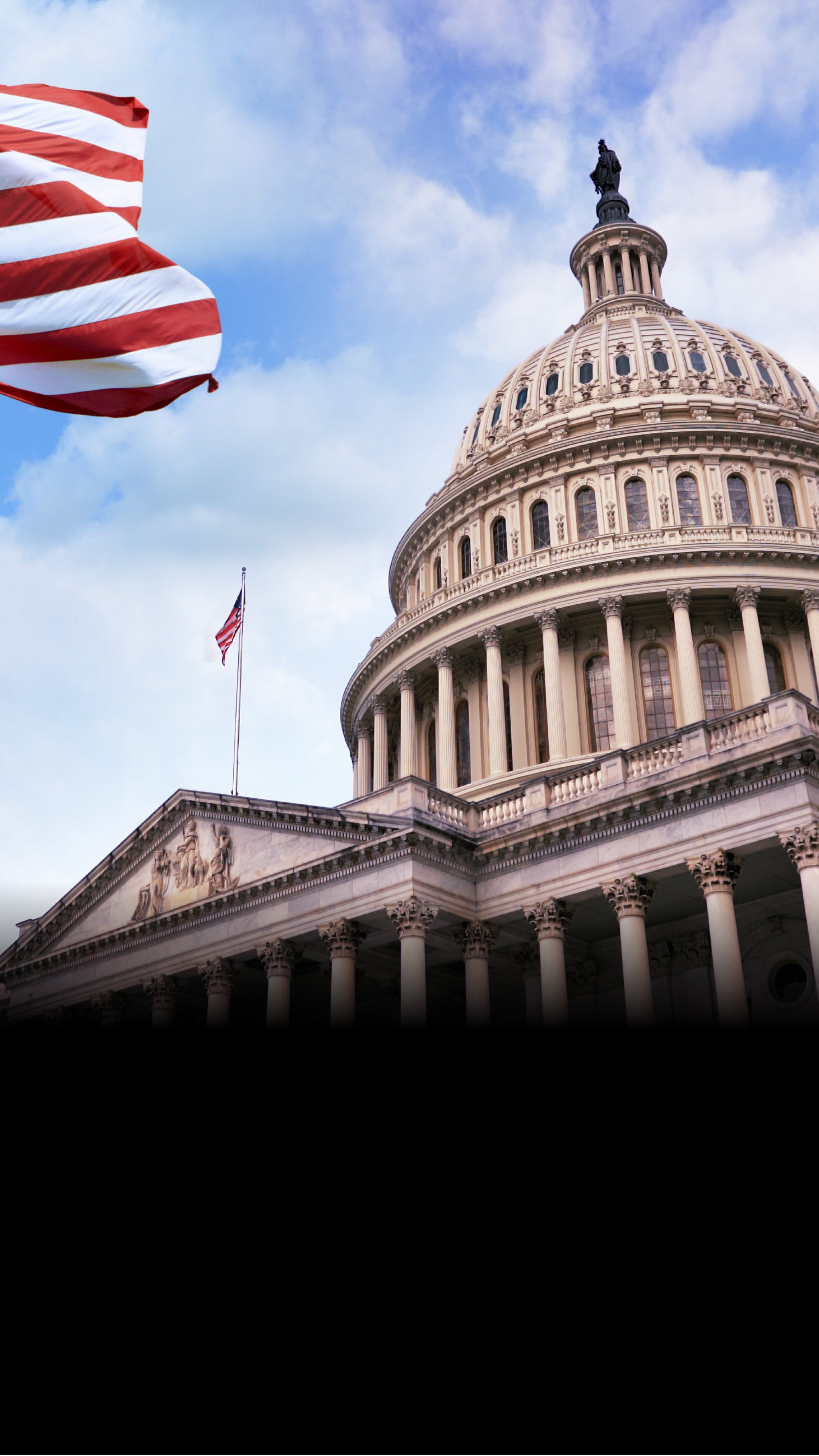

In a significant rebuke of President Donald Trump, voters took to the polls and delivered a blue sweep across the House and Senate in a midterm landslide. The Democrats scored victories across GOP strongholds, flipping at least seven Senate seats and winning House races dominated by Republicans since 2024.
Most notably, James Talarico became the first Democrat to secure a Texas Senate seat since 1988, marking a historic moment.
A fundamental shift is clearly underway across the United States, with voters’ discontent over ongoing geopolitical conflicts and the broader economy driving a complete blue sweep.
Zooming out beyond the election results, several important things to watch for when something like this happens. Firstly, President Trump will face a challenging second term, with subpoenas and legislative gridlock.
Democrats would control both budget proposals and the chamber’s main watchdog, the House Oversight Committee. All bills to raise tax revenue must also originate in the House. With a majority, Democrats would chair every House committee. That puts them in charge of drafting legislation across policy areas that shape the party’s popularity.
So, how does this impact Asia, and namely, Thailand?
Speaking exclusively to THE STANDARD WEALTH, Dr. Amonthep Chawla, Executive Vice President and Head of Research Office at CIMB Thailand, says that ultimately, investors like certainty.
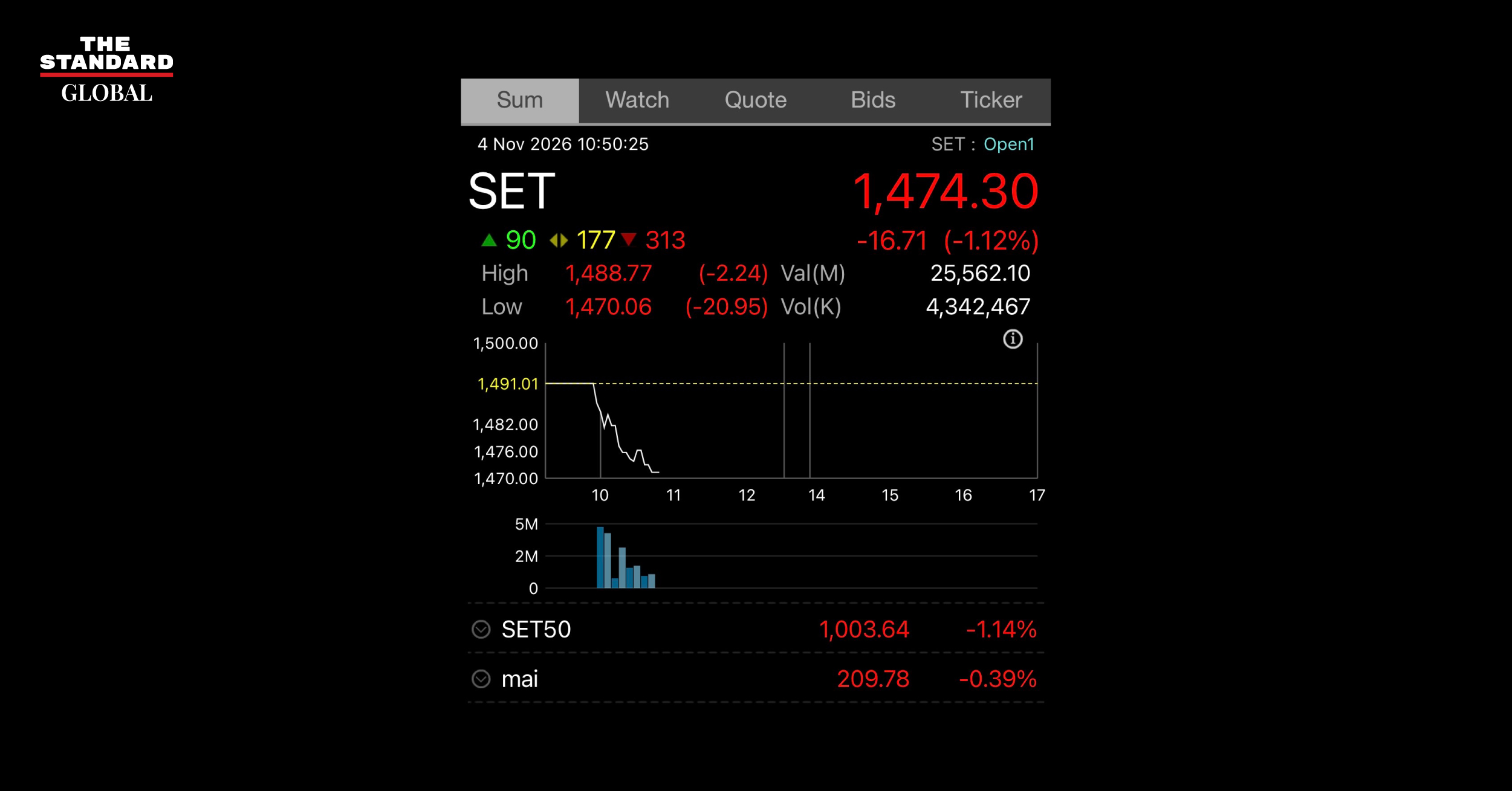
“Power over war policy and trade will still remain with President Trump,” says Dr. Amornthep. “However, as an investor, I like moments of clarity. Stocks are up, gold is up, and yields are going down, but it’s best not to chase prices just yet. The market is still going through a short-term adjustment as it digests the news.”
As for Thailand, the country will have to watch ongoing trade negotiations, but nothing fundamental will shift.
“What we need to keep watching is what happens to Thailand’s trade, because the main engine of the Thai economy is investment, particularly private investment,” says Dr. Amornthep. “We’ve seen plenty of FDI coming in, but the global economy is being driven in a similar way.”
It’s preemptive now to gauge how Data centers and Thailand’s technology economy will be affected, because the trade war remains uncertain and global companies can still use Thailand as a manufacturing base.
“However, we can’t just sit back,” said Dr. Amornthep, “we need to provide more incentives to attract investment, from clean energy to clearer regulations and a skilled workforce; all of this can draw meaningful investment.”
Key Takeaway
Democrats swept the House and Senate in a midterm landslide, flipping at least seven Senate seats. That leaves President Trump facing legislative gridlock for the rest of his term.
For Asian investors, CIMB Thailand’s Dr. Amornthep Chawla says markets are welcoming the clarity, but he advises against chasing the rally while markets digest the news, since Trump still controls war and trade policy. Meanwhile, Thailand fundamentals are unlikely to shift, though the country must step up incentives such as clean energy, clearer regulation, and a skilled workforce to keep attracting FDI.