

Thailand’s energy sector is poised for a major transformation as the country works to reshape its entire electricity system. The state has long been both the main producer and the main buyer of power. The new model is a market in which private companies buy clean power directly, and the Electricity Generating Authority of Thailand (EGAT) is set to change its role.
Key Point
Several important questions remain. The biggest is the wheeling charge: what it costs to use the grid, and who ultimately pays.
Electricity reform, clean energy and data centers dominated Wednesday’s panels at THE STANDARD ECONOMIC FORUM 2026, signaling a structural shift in one of Thailand’s most consequential sectors.
Thailand is trying to reform its centralized power system, in which state enterprises generate, buy, transmit and sell most of the country’s electricity. In its place, a market would emerge where businesses and households produce their own power, trade clean electricity directly and pay grid owners for using the network.
Energy Minister Akanat Promphan described the model as a move from a single-buyer market to an ‘Enhanced Single Buyer’ system with direct power trading. EGAT Governor Dr. Narin Paowanich said the utility must evolve from generator and transmitter to ‘ecosystem connector.’
If it materializes, it would be among the largest overhauls Thailand’s power sector has ever seen.
Direct PPAs as the Key to Clean-Energy Access
A key pillar of the reform is liberalizing the electricity market and giving businesses greater access to clean energy through Direct Power Purchase Agreements (Direct PPAs).
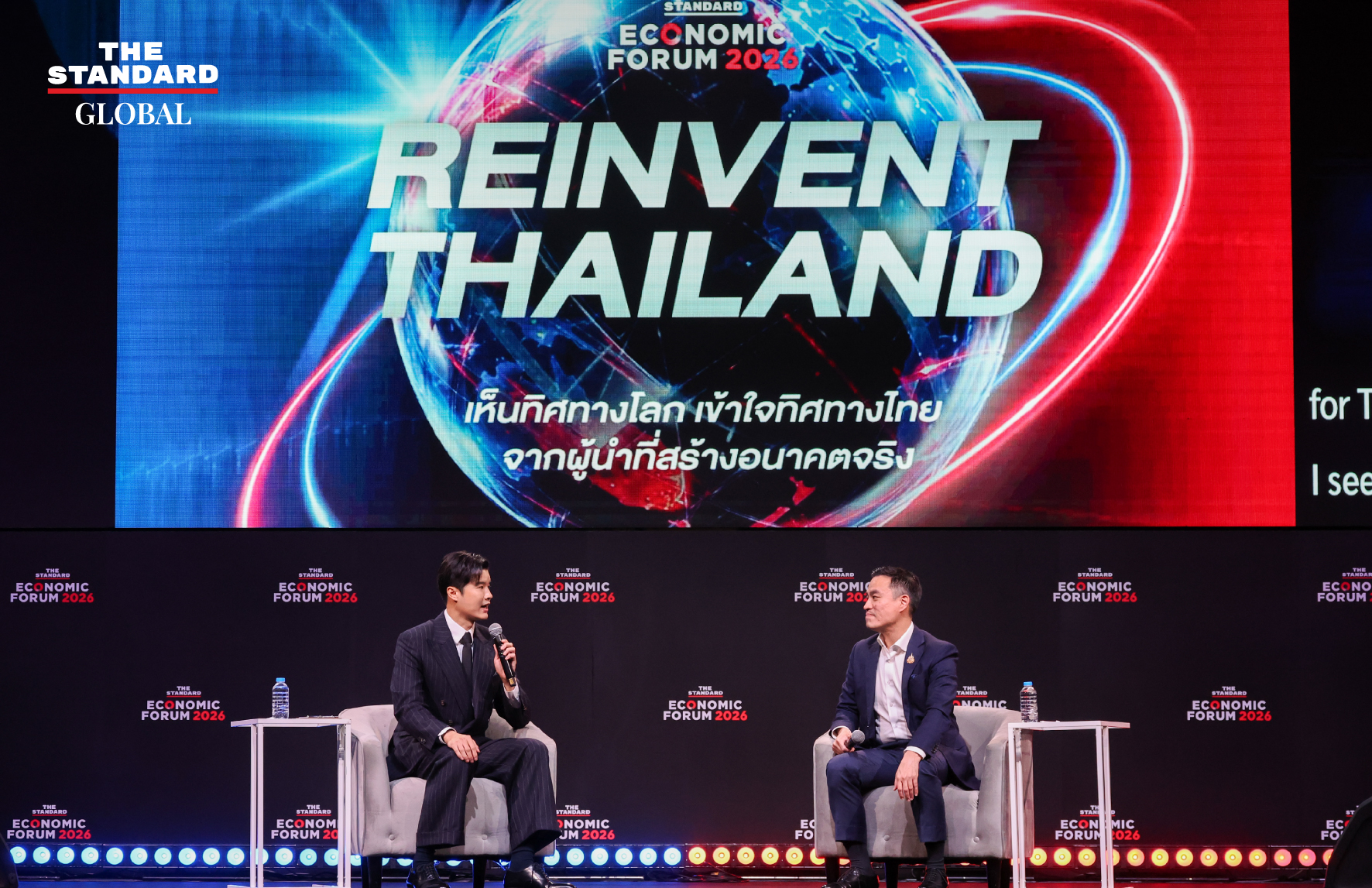
“Our Power Development Plan (PDP) will soon be released after almost ten years in the making,” Akanat said. “It’s been slow, but this plan will support clean power, taking it from 20 percent today to 50 percent within ten years, and to more than 65 percent after that.”
Akanat said a National Energy Policy Council (NEPC) resolution in July expanded the Direct PPA scheme beyond its sandbox phase, which had been limited to data centers and capped at 2,000 MW. It now covers other industries seeking clean energy, allowing generators and users to trade electricity directly.
The next step rests with the Energy Regulatory Commission (ERC), which is reviewing the Third Party Access (TPA) fee for grid use. This includes the wheeling charge for transmission and distribution. A preliminary rate of about 1.40 baht per unit is under discussion, plus an imbalance charge for when actual consumption deviates from the agreed schedule.
“This rate will be competitive with neighboring countries and will encourage industries to switch to clean energy, especially as businesses that remain dependent on fossil fuels may have to bear the cost of carbon capture in the future,” Akanat said.
The Data Center Question
“Even with data centers coming in, our power will be greener and more affordable for the Thai people,” Akanat said. “We need enough energy to support the growth of new industries. How do we make sure there is enough power, and enough clean power? That’s the key challenge today.”
To address this, the Energy Ministry plans to place data centers in their own user category, Category 9, so that large operators bear the cost of the imported LNG needed to power them. That cost would be kept out of the existing gas pool that supplies households and general industry.’
However, it is still unclear how Category 9 will handle volatile LNG prices, or whether costs can be kept from seeping back to households through other grid charges.
EGAT’s planning also has to keep pace with this demand. Narin said the PDP’s long-term assumptions put data center electricity demand at about 8,800 MW.
To meet it, EGAT has already added 550 MW of supply capacity in the Eastern Economic Corridor (EEC), is aiming for close to 1,000 MW, and is seeking approval for further transmission projects.
The next phase of transmission investment is roughly estimated at hundreds of billions of baht, financed through EGAT’s own capital, an infrastructure fund and sustainability-linked bonds.
Meanwhile, the BOI reports that it approved 42 data center projects between 2024 and 2026, with a combined IT load of about 3,400 MW and total investment of 750 billion baht.
The key question, then, is how far ahead Thailand should build its grid without ending up with stranded assets if some of those projects never materialize.
EGAT’s Evolving Role
EGAT Governor Dr. Narinsai said EGAT will shift from generating and transmitting power to developing and managing the power system of the future, acting as an ‘ecosystem connector.’
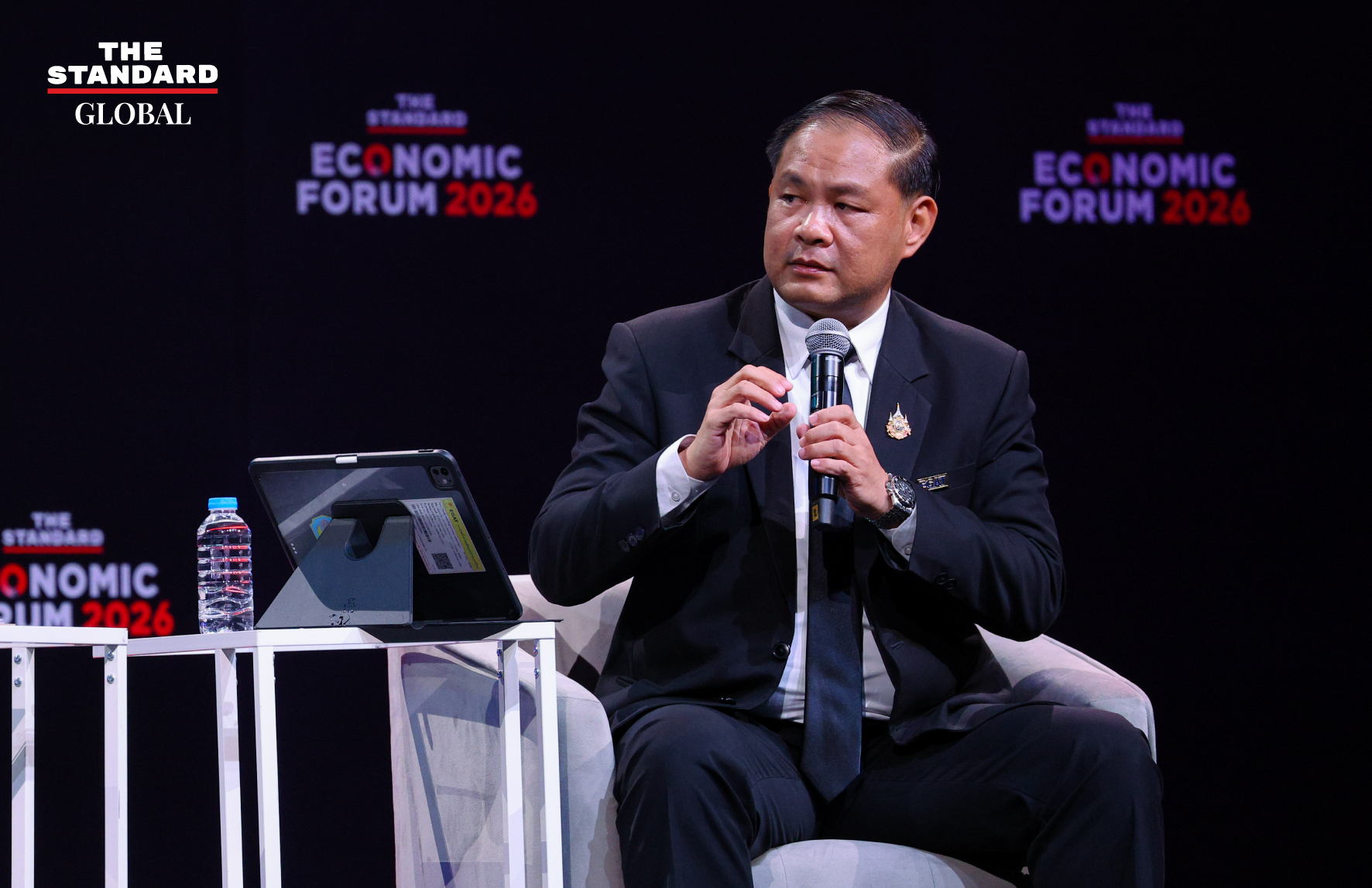
Going forward, its revenue will come from wheeling charges, system-security fees, reserve capacity, and ancillary services. These tools keep supply and demand in balance as more power flows in from solar, wind, and prosumers.
This could be the biggest change of all. EGAT would no longer compete with the private sector on clean-energy production; it would earn its revenue by keeping the system connected and stable.
The Wheeling Charge as the True Cost
When companies buy clean power directly from a producer, they still rely on the national grid to deliver it. The wheeling charge is the toll for using that grid. Set it too high and direct clean-power deals stop making sense; set it too low, and households end up paying for the grid’s upkeep. That trade-off is at the heart of the debate.
On one point, panelists agreed: the proposed rate of around 1.4 baht per unit needs rethinking.
Dr. Somkiat Tangkitvanich, President of the Thailand Development Research Institute (TDRI), warned that an excessive wheeling charge would make the clean-power market inefficient. He proposed recalculating grid costs based on efficiency, rather than piling on every historical cost. Nopadej Karnasuta, President – Thailand, Malaysia and Energy & Industrial Solutions at B.Grimm Power, argued that if legacy costs are not double-counted, the wheeling charge ‘should not exceed 1 baht per unit.’
That number will decide whether Direct PPAs genuinely open the market or remain a right on paper.
Debating the Value of Data Centers
Dr. Somkiat questioned how high data centers should rank. In the AI value chain, he argued, two priorities come first: applying AI to raise productivity across the economy, and attracting hardware supply chains that create high-skilled jobs.
Hosting data centers, he added, does not guarantee data or AI sovereignty, because foreign cloud providers remain bound by their home countries’ laws. And most internet services do not need latency low enough to require every data center to be located in Thailand.

Smith Banomyong, Chief Financial Officer of GULF, argued that the question had to be judged beyond short-term gains and losses, in terms of Thailand’s global competitiveness.
Thailand currently pays around US$1 billion (more than 33 billion baht) a month for digital services from abroad, he said. Without the infrastructure to store and process data at home, that money will keep flowing out.
He compared data centers to roads or oil refineries: the facilities themselves may not employ many people directly, but they are essential infrastructure that enables other high-value activity to grow.
On fears of competition for water, he noted that more than 8 billion cubic meters of natural runoff in the EEC flows into the sea uncaptured. With efficient reservoir management and cooling systems, he argued, data centers need not threaten household water supply.
So, what about local value creation?
Nopadej proposed a minimum 30 percent local-content requirement, modeled on Malaysia, that would oblige data center investors to use domestic materials and equipment and develop local talent.
By B.Grimm’s estimate, every 1,000 MW built this way would generate up to 90 billion baht in economic activity and more than 6,400 jobs.
Key Takeaway
Thailand now has the pieces of a transformative power system in place: a clean-energy target, an open market for direct deals and a utility poised for reinvention. Whether they fit together depends on decisions still to come: a fair wheeling charge, protection for household bills, and clear rules to ensure data centers create value for the local economy.
The new economy will run on clean electricity, and the countries that win will be those that can deliver it quickly and at a fair price.