

Thailand has approved a 35 percent excise tax on imported EVs in a bid to push local manufacturing in Thailand. The move, targeted at encouraging automakers to source domestic components, will be effective on January 1st, 2027.
Currently, Thailand has a 10 percent tax on battery-electric vehicles and 15 percent on range-extended EVs.
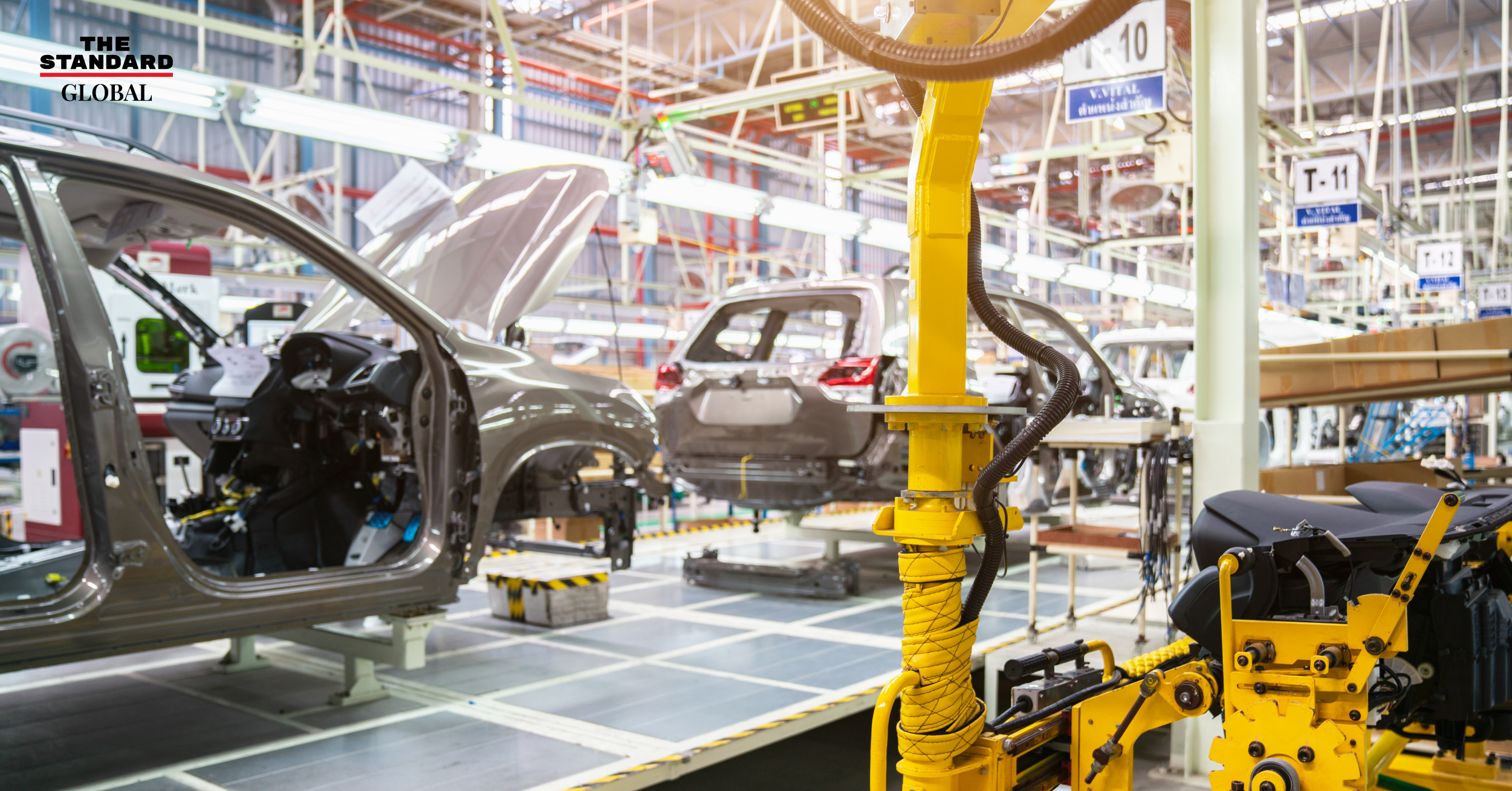
The push to increase excise tax on imported electric vehicles is part of the government’s wider bid to expand its EV production ecosystem, whilst also preserving the country’s longstanding auto industry supply chain and the jobs and value it creates for the domestic market.
The new tax structure comes as demand for electric vehicles in Thailand grows, with Chinese automakers supplying much of the market. Thailand has long been Southeast Asia’s largest auto-manufacturing hub, built on longstanding ties with Japanese carmakers. That landscape has shifted in recent years, as Thailand has rolled out tax breaks and subsidies to attract investment from Chinese EV makers. Now, Thailand wants to keep its lead in auto manufacturing by bringing the EV supply chain onshore, creating more value for Thai workers and the wider industry.
xEV sales are forecast at around 460,000 units in 2027, making up 64 percent of total car sales. By 2028, battery EVs are expected to become the single largest vehicle type in Thailand. This growth is expected to be fueled by expanding local production and an incoming stream of new models and manufacturers that offer inclusive service networks, after-sales support, and a complete ecosystem for vehicle owners.
New EV and electric motorcycle registrations jumped 89.7 percent year on year to 22,587 in September 2026, according to the Federation of Thai Industries (FTI).
Key Takeaway
Thailand has leveraged tax breaks and subsidies to draw in Chinese automakers, with success metrics based on headline investment numbers and highlighting sales figures. Now, the question has shifted, amid the country’s stagnant GDP growth and future-forward industries ambition. The policy is directly asking the hard question of how much of the investment value trickles down to the domestic economy, and how much Thai workers and manufacturers are benefiting from the boom. This new tax structure will reward automakers that build locally and leverage high-value Thai parts, whilst upskilling the local workforce towards future industries.
The structural shift reflects a wider concern about Thailand’s next economic growth engine. As the country has contended with 2 percent growth annually, future industries and new growth segments are crucial for competing with regional peers. Foreign investment and headline numbers may sound well and good, but can only meaningfully uplift the economy if there is domestic value to be captured. The EV tax is a clear signal that suggests policymakers now want local value captured in the supply chain through domestic parts, local manufacturers and skilled workers.